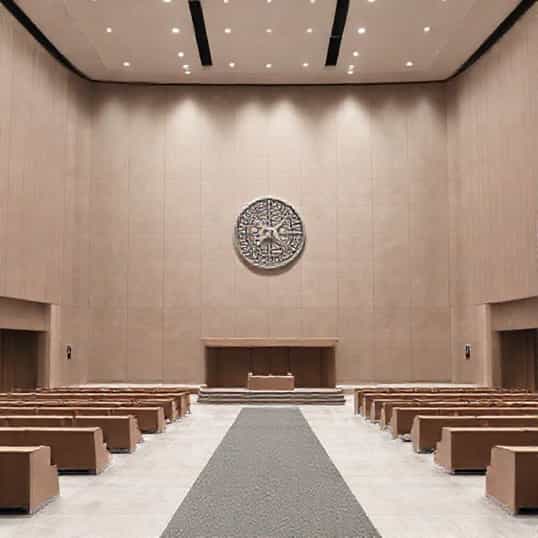
Korea National Assembly Proceeding Hall
The Korea National Assembly Proceeding Hall is the central hub of legislative activity in South Korea, serving as the primary venue where laws are debated, passed, and enacted. Located in Seoul, this iconic building is not only a symbol of South Korea’s democratic governance but also a place where critical decisions shaping the nation’s future are made. The hall hosts sessions attended by elected representatives who discuss policy, propose legislation, and engage in debate, reflecting the dynamic nature of South Korean politics. Beyond its functional role, the National Assembly Proceeding Hall stands as an architectural and historical landmark, representing the principles of transparency, democracy, and civic responsibility.
History of the Korea National Assembly Proceeding Hall
The Korea National Assembly Proceeding Hall was established to provide a permanent location for the legislative body of the Republic of Korea. The hall was completed in 1975 and has since been the site of countless historic debates and decisions. It was designed to accommodate the growing needs of the National Assembly, providing adequate space for lawmakers, staff, media, and visitors. Over the years, the hall has witnessed significant political events, including constitutional amendments, landmark legislation, and high-profile political debates that have shaped South Korea’s modern history.
Architectural Features
The architecture of the National Assembly Proceeding Hall reflects both modern functionality and symbolic representation of democratic values. The building features a large central dome, which is visible from many parts of Seoul, symbolizing transparency and openness in governance. Inside, the main chamber is designed to facilitate discussion and debate, with seating arranged to allow all members to participate actively. The hall also includes meeting rooms, offices, and spaces for media coverage, ensuring that legislative processes are efficiently supported. The design emphasizes accessibility, reflecting the idea that governance should be open and accountable to the public.
Function and Role
The Korea National Assembly Proceeding Hall serves as the core venue for legislative activity. It is where members of the National Assembly convene to discuss proposed laws, review policies, and engage in debates on matters of national importance. The hall also hosts committee meetings, hearings, and special sessions that address urgent or complex issues. By providing a structured environment for deliberation, the hall ensures that legislative processes are conducted in an orderly and transparent manner. The functioning of the hall is essential to the democratic system, allowing elected representatives to fulfill their responsibilities to the citizens.
Legislative Procedures
In the Proceeding Hall, the legislative process follows a structured set of procedures. Proposed bills are introduced by members or committees, followed by readings, debates, and amendments. The hall facilitates these discussions with designated speaking times, voting mechanisms, and record-keeping systems that ensure accountability. Members may question government officials, present expert testimony, and deliberate on policy impacts before casting votes. The hall is equipped to support both routine legislative business and emergency sessions, making it a flexible and vital component of South Korea’s political system.
Significance in South Korean Politics
The National Assembly Proceeding Hall holds a central place in South Korean politics, serving as the stage where critical national issues are addressed. From economic policy to social reforms, the decisions made within this hall have far-reaching implications for the country and its citizens. It is a venue where political parties negotiate, build consensus, and hold the executive branch accountable. The hall also functions as a symbol of democratic governance, demonstrating the importance of representative decision-making and public participation in shaping national policy.
Public Access and Civic Engagement
The hall is designed to be accessible to the public, allowing citizens to observe legislative proceedings and engage with the political process. Galleries and visitor areas provide a direct view of debates and sessions, fostering transparency and accountability. Educational programs and tours are often offered, helping the public understand the functions of the National Assembly and the significance of the legislative process. This engagement enhances civic awareness and encourages active participation in democratic governance.
Modern Developments and Technology
In recent years, the Korea National Assembly Proceeding Hall has integrated modern technology to support efficient legislative work. Digital voting systems, online broadcasting of sessions, and electronic record-keeping have improved transparency and accessibility. These technological advancements allow citizens to follow legislative activity in real-time and provide lawmakers with tools to streamline their work. The integration of technology ensures that the hall remains a functional and modern institution capable of meeting the demands of contemporary governance.
Architectural Renovations and Upgrades
Over time, the hall has undergone renovations and upgrades to maintain safety, efficiency, and accessibility. Improvements include better seating arrangements, enhanced audio-visual systems, and updated facilities for staff and visitors. These changes ensure that the hall continues to serve its legislative purpose effectively while preserving its symbolic and historical significance. The balance between modernization and heritage highlights the importance of maintaining both functional and cultural integrity in national institutions.
The Korea National Assembly Proceeding Hall is more than just a building; it is a cornerstone of South Korea’s democratic system. Serving as the central venue for legislative deliberation, it embodies principles of transparency, accountability, and civic engagement. Its history, architecture, and technological advancements reflect the evolving nature of governance and the importance of providing a space where elected representatives can fulfill their duties. For citizens and visitors alike, the hall stands as a symbol of democracy, offering insight into the legislative process and emphasizing the critical role of representative decision-making in shaping the nation’s future. The Korea National Assembly Proceeding Hall continues to be a vital institution, connecting history, politics, and civic responsibility in the heart of Seoul.