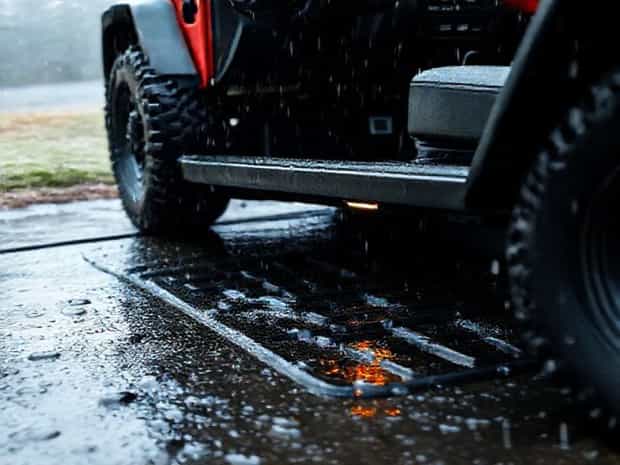
Jeep Floorboard Wet After Rain
Many Jeep owners notice that after a heavy rain or a long drive through wet conditions, their Jeep floorboards often end up wet. This can be frustrating because a wet interior can lead to unpleasant odors, mold growth, and even long-term damage to carpets and electronic components. Understanding why water accumulates on Jeep floorboards and how to prevent it is essential for maintaining the vehicle’s interior and ensuring a comfortable driving experience. Factors like door seals, body design, weather exposure, and maintenance habits all play a role in why water collects inside the cabin.
Common Causes of Wet Jeep Floorboards
Several factors can contribute to water accumulating on Jeep floorboards after rainfall. Identifying the root cause is crucial for effective solutions.
Door Seals and Weatherstripping
One of the most common reasons for wet floorboards is worn or damaged door seals. Jeep doors, especially on older models, may develop cracks or lose elasticity, allowing rainwater to seep in. Inspecting the rubber seals around doors and replacing them when necessary can prevent leaks.
Removable Tops and Windows
Many Jeep models feature removable soft tops, hardtops, and modular windows. Improperly installed or loose tops can allow rainwater to enter the cabin. Even small gaps can funnel water down to the floorboards during a downpour.
Floor Drain Plugs
Jeeps, particularly the Wrangler series, have factory floor drain plugs that are designed to be removed for easy cleaning. If these plugs are missing, improperly seated, or blocked, water from rain or off-road driving can accumulate on the floorboards. Regularly checking these plugs ensures they are intact and properly fitted.
Body and Frame Design
The design of a Jeep, especially those built for off-road conditions, often includes open areas where water can flow. While these designs improve drainage and reduce weight, they can also allow rainwater to find paths into the cabin if seals or plugs are compromised. Understanding how water travels in your specific model can help prevent wet floors.
Signs of Water Accumulation
Detecting water early is important to avoid long-term damage. Common indicators include
- Wet or damp carpet after rainfall or washing the vehicle
- Musty odors inside the cabin
- Rust spots or corrosion near the floor or under mats
- Water stains along door edges or near seams
Preventive Measures
There are several steps Jeep owners can take to prevent floorboards from getting wet after rain.
Inspect and Replace Door Seals
Regular inspection of door seals is key. Replace any seals that appear cracked, hardened, or misshapen. This simple maintenance task can drastically reduce water intrusion.
Check Floor Drain Plugs
Ensure all factory drain plugs are present and properly seated. If a plug is missing, purchase replacements from a Jeep dealership or trusted aftermarket supplier. Keep these plugs clear of dirt and debris to allow water to drain effectively.
Proper Installation of Tops and Windows
If you have a removable soft top or modular windows, make sure they are installed correctly. Check for gaps, worn seals, or loose fasteners that could allow water to leak into the cabin.
Use All-Weather Floor Mats
High-quality all-weather floor mats can help protect the Jeep’s carpet from water and mud. They also make cleanup easier after rain or off-road adventures. While mats won’t stop water from entering, they minimize the impact on the interior.
Cleaning and Drying Wet Floors
If your Jeep floorboards do get wet, quick action can prevent long-term damage. Follow these steps
- Remove all floor mats and allow them to dry separately.
- Use a wet/dry vacuum to extract as much water as possible from the carpet.
- Open doors and windows to improve airflow and aid drying.
- Use fans or a portable heater to accelerate drying if necessary.
- Consider applying a carpet cleaner or deodorizer to prevent musty smells.
Long-Term Solutions for Persistent Leaks
For Jeeps that experience repeated water accumulation, more permanent solutions may be needed.
Professional Inspection
Taking your Jeep to a professional mechanic or dealership can help identify hidden leaks. Technicians can check seals, tops, and the vehicle body for areas where water enters.
Seal Up Vulnerable Areas
Some Jeep owners apply automotive-grade silicone or specialized sealants around door frames, roof edges, or windows to reduce leaks. Always use products recommended for vehicle interiors to prevent damage.
Upgrade to Hard Tops
If you frequently experience wet floorboards with a soft top, consider upgrading to a hardtop. Hardtops generally provide better weather protection and reduce water intrusion significantly.
Off-Road Considerations
Jeep owners often drive off-road, where mud, puddles, and rain can increase the risk of wet floors. Installing lift kits, snorkels, or protective underbody gear can reduce the amount of water that enters the cabin. Additionally, keeping floor mats clean and removing debris after off-road trips helps prevent water accumulation.
Wet floorboards after rain are a common concern for Jeep owners, but with proper maintenance and preventive measures, the problem can be minimized or eliminated. Inspecting door seals, checking floor drain plugs, ensuring tops and windows are secure, and using all-weather floor mats all contribute to a drier and more comfortable interior. Quick cleanup of any water that does enter the cabin prevents long-term damage such as rust and mold. For persistent leaks, professional inspection and potential upgrades like hardtops or sealant applications can offer a long-term solution. By understanding the causes and taking proactive steps, Jeep owners can protect their vehicle interior, maintain comfort, and enjoy worry-free drives, rain or shine.