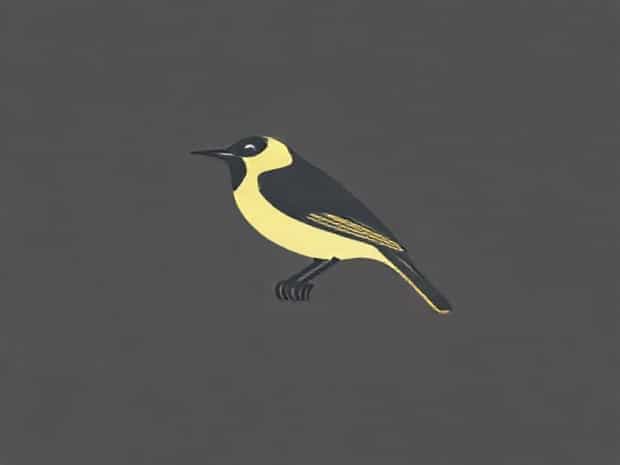
Is Bird A Species
Birds are among the most diverse and widespread groups of animals on Earth, captivating humans with their beauty, behavior, and ecological importance. They exhibit remarkable adaptations for flight, feeding, and reproduction, and they play vital roles in ecosystems as pollinators, seed dispersers, and predators. When considering the question is bird a species, it is essential to understand biological classification and taxonomy, as the term species refers to a specific rank in the hierarchical system used to categorize living organisms. Birds, as commonly understood, encompass a broad class of animals rather than a single species, making it necessary to explore how scientists define species and where birds fit into the taxonomic hierarchy.
Understanding the Concept of Species
The biological concept of a species is fundamental in taxonomy. A species is generally defined as a group of organisms that can interbreed and produce fertile offspring under natural conditions. Members of a species share genetic, morphological, and behavioral characteristics, which distinguish them from other species. Species are the basic unit of classification in biology and serve as a reference point for studying biodiversity, evolution, and ecological interactions.
Species vs. Higher Taxonomic Levels
In the classification hierarchy, species is just one of several ranks. Above species, there are genera, families, orders, classes, phyla, and kingdoms. Birds belong to the class Aves, which includes thousands of species across hundreds of genera and dozens of families. Each species within Aves has distinct characteristics, such as beak shape, plumage color, habitat preference, and vocalization patterns. Therefore, while bird refers broadly to all members of the class Aves, it does not denote a single species but a diverse assemblage of species sharing common features related to anatomy and physiology.
Birds as a Class of Organisms
Birds are warm-blooded vertebrates characterized by feathers, beaks without teeth, a high metabolic rate, and a lightweight but strong skeletal structure. They exhibit a wide range of behaviors, including migration, complex mating displays, and vocal communication. Taxonomically, all birds are grouped under the class Aves, which is further subdivided into orders, families, genera, and species. This classification highlights that birds are not a single species but a collection of related species with shared evolutionary ancestry.
Examples of Bird Species
Within the class Aves, there are numerous species, each with unique traits. Some examples include
- The American Robin (Turdus migratorius), a migratory songbird found across North America.
- The Bald Eagle (Haliaeetus leucocephalus), a large raptor native to North America.
- The Emperor Penguin (Aptenodytes forsteri), a flightless bird inhabiting Antarctica.
- The Scarlet Macaw (Ara macao), a colorful parrot species native to Central and South America.
Each of these examples represents a distinct species within the class Aves, capable of reproducing with members of the same species but not typically with members of other species. This distinction underscores why bird is not a species but a broader classification encompassing many species.
Taxonomic Classification of Birds
The taxonomic classification system provides a framework for organizing living organisms based on shared characteristics and evolutionary relationships. Birds are classified as follows
- KingdomAnimalia – multicellular, eukaryotic organisms.
- PhylumChordata – animals with a notochord at some stage of development.
- ClassAves – characterized by feathers, beaks, and other avian traits.
- OrdersExamples include Passeriformes (perching birds), Falconiformes (birds of prey), and Psittaciformes (parrots).
- Families, Genera, and SpeciesEach order is further divided into families, genera, and species, reflecting finer distinctions in anatomy, behavior, and genetics.
This hierarchical structure shows that bird refers to the class level, not the species level, encompassing a vast diversity of life forms rather than a single interbreeding population.
Importance of Recognizing Bird Species
Identifying individual bird species is crucial for conservation, ecological research, and understanding evolutionary processes. Different species have specific habitat requirements, dietary needs, and breeding behaviors. Conservation efforts, such as protecting endangered species, depend on accurate species identification. For example, the critically endangered Kakapo (Strigops habroptilus) of New Zealand requires specialized conservation strategies distinct from other parrot species. Recognizing the distinction between species and broader classifications like bird ensures that biodiversity is properly monitored and protected.
Misconceptions About Bird as a Species
Many people may casually refer to birds as if they were a single species, especially in everyday language or casual observation. Phrases like all birds fly or birds are everywhere can obscure the understanding that birds are a class containing thousands of distinct species. Some birds, like ostriches and penguins, cannot fly, demonstrating that characteristics vary widely across species within the class Aves. Therefore, scientifically, it is inaccurate to consider bird as a species; instead, it is a collective term for a large group of related species.
Birds and Evolutionary Relationships
From an evolutionary perspective, all birds share a common ancestor, and their classification into species reflects divergence over millions of years. The process of speciation where populations evolve distinct characteristics and become reproductively isolated produces the multitude of bird species observed today. By studying species-level differences, scientists can trace evolutionary lineages, understand adaptive traits, and examine ecological interactions among birds.
Bird Identification and Research
Studying birds at the species level involves field observation, morphological analysis, genetic studies, and behavioral research. Ornithologists use species identification to monitor population trends, migration patterns, and ecosystem health. Birdwatching, a popular hobby, also relies on species-level knowledge, allowing enthusiasts to differentiate between similar-looking species and contribute to citizen science projects that track avian biodiversity.
Role of Species in Conservation
Conservation efforts depend heavily on understanding species boundaries. Protecting bird species requires knowledge of their habitats, breeding cycles, and threats. Organizations like the International Union for Conservation of Nature (IUCN) maintain Red Lists that categorize species based on their risk of extinction. Accurate species identification allows policymakers and conservationists to prioritize actions and allocate resources effectively, ensuring that endangered species receive the protection they need.
In summary, the question is bird a species highlights the importance of understanding biological classification. Birds are not a single species but a class of animals known as Aves, encompassing thousands of distinct species. Each bird species has unique characteristics, ecological roles, and evolutionary histories. Recognizing the difference between the class level and species level is essential for scientific accuracy, biodiversity research, and conservation efforts. By appreciating the diversity within birds, scientists, conservationists, and enthusiasts can better understand the complexities of ecosystems, evolutionary biology, and the intricate relationships that define life on Earth.