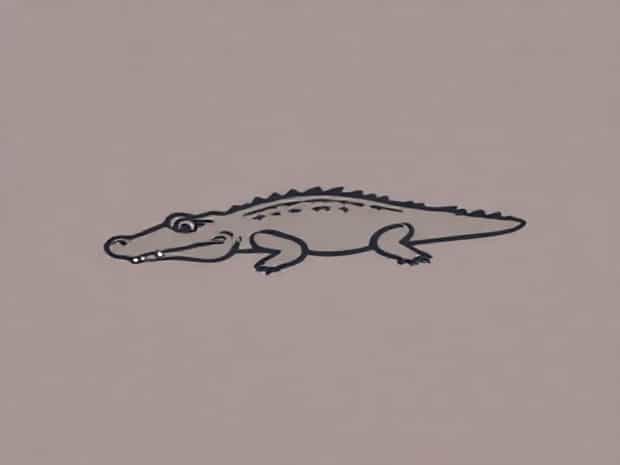
Is An Alligator A Reptile
Alligators are fascinating creatures that have captured human curiosity for centuries due to their prehistoric appearance, powerful physique, and unique behaviors. Found mainly in freshwater environments such as rivers, lakes, and swamps, alligators are often subjects of wildlife documentaries, biology studies, and even folklore. One question that frequently arises among students, nature enthusiasts, and the general public is Is an alligator a reptile? To answer this question, it is essential to explore the biological classification, physical characteristics, and behaviors that define alligators and their place in the animal kingdom.
Understanding Reptiles
Reptiles are a class of cold-blooded vertebrates that include snakes, lizards, turtles, and crocodilians. Key characteristics of reptiles include scaly skin, the ability to lay eggs with leathery or hard shells, and ectothermic metabolism, meaning they rely on external heat sources to regulate their body temperature. Reptiles have been present on Earth for over 300 million years, making them one of the most ancient groups of land-dwelling animals. These traits are crucial in identifying whether a species, such as the alligator, belongs to this class.
Defining Features of Reptiles
- Scaly, waterproof skin that prevents water loss and provides protection.
- Cold-blooded metabolism requiring basking in sunlight for warmth.
- Reproduction through eggs, often laid in nests or protected areas.
- Internal skeleton with vertebrae, allowing for mobility and strength.
- Respiration through lungs, even in aquatic species.
Alligators and Their Classification
Alligators belong to the order Crocodylia, which includes crocodiles, caimans, and gharials. Within this order, alligators are part of the family Alligatoridae. There are two living species of alligator the American alligator (Alligator mississippiensis) and the Chinese alligator (Alligator sinensis). Their evolutionary history traces back millions of years, making them living relatives of ancient reptiles. This classification confirms that alligators share fundamental characteristics with other reptiles, such as scaly skin, cold-blooded metabolism, and egg-laying reproduction.
Scientific Classification of Alligators
- Kingdom Animalia
- Phylum Chordata
- Class Reptilia
- Order Crocodylia
- Family Alligatoridae
- Genus Alligator
- Species American alligator (A. mississippiensis), Chinese alligator (A. sinensis)
Physical Characteristics of Alligators
Alligators possess many features typical of reptiles. Their bodies are covered with tough, scaly skin that helps them survive in both aquatic and terrestrial habitats. They have strong, muscular tails used for swimming and defense, and their limbs are sturdy enough to support movement on land. Alligators also have sharp teeth and powerful jaws designed to capture prey efficiently. Another reptilian trait is their reliance on the environment to regulate body temperature, often seen when they bask in the sun or retreat into water to cool down.
Adaptations for Survival
- Scaly skin providing camouflage and protection against predators.
- Powerful tails aiding in swimming and defense.
- Sharp teeth and strong jaws for hunting fish, birds, and small mammals.
- Nictitating membranes in their eyes for underwater vision.
- Ability to slow metabolism during cold weather, a form of brumation.
Behavioral Traits of Alligators
Alligators exhibit behaviors consistent with reptiles. They are ectothermic, meaning their activity levels depend on external temperatures. During warmer months, alligators are more active, hunting and defending territories, while in cooler periods, they enter brumation, a state similar to hibernation. Alligators are also known for their parental care, which is somewhat rare among reptiles. Female alligators guard nests and assist hatchlings in reaching water, showing complex behaviors that enhance survival rates.
Reptilian Behaviors in Alligators
- Basking in sunlight to regulate body temperature.
- Hunting primarily in water, using stealth and ambush techniques.
- Brumation during cold seasons to conserve energy.
- Nesting and guarding eggs to protect offspring.
- Territorial behaviors to maintain control over prime habitats.
Difference Between Alligators and Other Reptiles
While alligators share many characteristics with reptiles, they are distinct in certain ways. Compared to lizards or snakes, alligators are much larger and have more complex social and parental behaviors. Unlike turtles, they are highly predatory and capable of rapid bursts of speed in water. Compared to crocodiles, alligators have broader snouts and tend to inhabit freshwater environments more exclusively. Despite these differences, their core reptilian traits cold-bloodedness, scaly skin, egg-laying, and vertebrate structure confirm their classification as reptiles.
Comparison with Other Crocodilians
- Alligators have U-shaped snouts, while crocodiles have V-shaped snouts.
- Alligators prefer freshwater, while crocodiles can tolerate saltwater environments.
- Behavioral differences include less aggressive tendencies in alligators compared to some crocodile species.
- Both share reptilian reproductive and thermoregulatory strategies.
Ecological Importance of Alligators
Alligators play a crucial role in their ecosystems, which is another trait consistent with many reptilian species. They are apex predators, helping to control populations of fish, birds, and small mammals. Their nesting habits create microhabitats for other species, and their movements through waterways help maintain the ecological balance. Understanding their role highlights the importance of conserving alligators and recognizing them as key members of the reptilian class.
Contributions to Ecosystems
- Predator role helps regulate prey populations.
- Nest construction creates habitats for other species like amphibians and invertebrates.
- Waterway movement maintains healthy wetland ecosystems.
- Serve as indicators of environmental health due to sensitivity to pollution and habitat changes.
Is an Alligator a Reptile?
Yes, an alligator is definitively a reptile. Its physical characteristics, biological classification, reproductive strategies, and behavioral traits align perfectly with the defining features of the reptilian class. From scaly skin and cold-blooded metabolism to egg-laying and complex survival behaviors, alligators exhibit all the hallmarks of reptiles. While they have unique adaptations that distinguish them from other reptiles, their fundamental traits confirm their place in the animal kingdom as reptiles. Studying alligators provides insight not only into their biology but also into the evolutionary history and ecological importance of reptiles worldwide.
Why Understanding Their Classification Matters
- Helps in conservation efforts by understanding their ecological role.
- Informs public safety and awareness in regions where alligators are native.
- Enhances educational knowledge about reptilian diversity and evolution.
- Supports scientific research on behavior, physiology, and environmental adaptation.
- Promotes appreciation for one of the most ancient and fascinating groups of animals on Earth.
Alligators, as reptiles, represent a successful lineage that has survived millions of years of environmental changes. Recognizing their classification helps people understand their unique adaptations, ecological significance, and the importance of preserving these remarkable creatures for future generations.