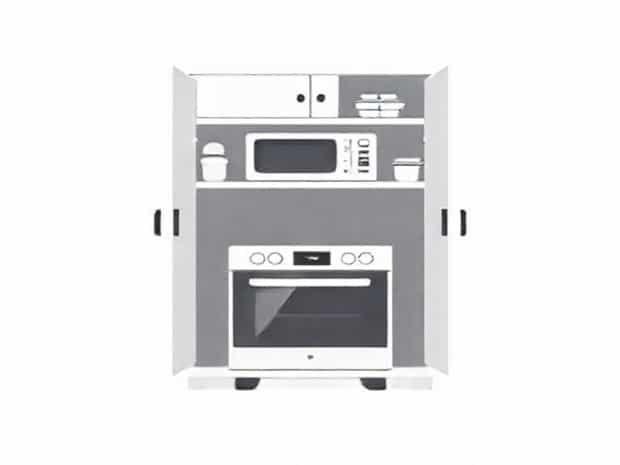
Is A Cabinet An Appliance
In many homes and offices, cabinets are essential for organization and storage, providing both functionality and style. People often wonder whether a cabinet qualifies as an appliance, especially when planning renovations or categorizing items for insurance or resale purposes. Understanding the distinction between cabinets and appliances helps clarify their roles in a space, and it is important for homeowners, interior designers, and anyone involved in home maintenance to know the difference. Cabinets are often integrated into kitchens, bathrooms, and offices, but they differ significantly from traditional appliances in terms of usage, construction, and purpose.
Defining a Cabinet
A cabinet is a piece of furniture or built-in fixture designed primarily for storage. Cabinets can be made of wood, metal, or synthetic materials and are often equipped with doors, drawers, shelves, and compartments. They serve as a way to organize items such as kitchenware, office supplies, clothing, or toiletries. Cabinets can vary in size, from small wall-mounted units to large floor-to-ceiling installations, and they are frequently used in kitchens, bathrooms, living rooms, and commercial spaces.
Key Characteristics of Cabinets
- Purpose Storage and organization of items
- Material Wood, metal, laminate, or other composite materials
- Mobility Can be built-in or freestanding
- Operation Manual, with doors and drawers opened by hand
- Power Source None required
What Qualifies as an Appliance?
An appliance is generally defined as a device or machine designed to perform a specific task, often involving electricity or fuel. Appliances are functional tools intended to make household tasks easier, such as cooking, cleaning, or refrigeration. Common examples include refrigerators, ovens, dishwashers, washing machines, and microwaves. Appliances can be categorized as major or small, depending on their size and function, but the defining factor is that they perform a task, often automatically or with minimal manual effort.
Key Characteristics of Appliances
- Purpose Perform specific tasks such as cooking, cleaning, or refrigeration
- Operation Requires energy, usually electricity or gas
- Functionality Often includes automated or semi-automated operations
- Mobility Can be freestanding or built-in, but functionality remains active
- Maintenance Requires servicing and repairs due to moving parts or electronic components
Differences Between Cabinets and Appliances
While cabinets and appliances may occupy similar spaces in a kitchen, bathroom, or office, they serve fundamentally different roles. Understanding the distinction is key when planning home layouts, budgeting, or defining home inventory for insurance purposes.
Functionality
The primary difference lies in functionality. Cabinets provide storage and organization, whereas appliances perform specific tasks. For instance, a refrigerator cools food, a dishwasher cleans dishes, and a washing machine launders clothes. Cabinets, in contrast, store these items but do not actively modify or process them.
Energy Requirement
Appliances require a power source, typically electricity or gas, to operate effectively. This energy dependency enables them to perform tasks automatically or with minimal human intervention. Cabinets, however, are passive storage units and do not require any energy to function. Their utility comes from their structure and accessibility, not from powered operations.
Design and Construction
Cabinets are designed with compartments, shelves, drawers, and doors to hold items securely. Appliances, on the other hand, are engineered with mechanical and electronic components that enable them to perform a task. The construction materials for cabinets are chosen for aesthetics and durability, while appliances require components that handle heat, moisture, or movement.
Integration in Home Design
Cabinets are often integrated into home design for visual appeal and organization. They contribute to the aesthetics of a space while providing storage functionality. Appliances are incorporated into design based on task requirements and often determine the workflow of a room, such as kitchen work triangles or laundry setups. Cabinets support appliances by organizing supplies, but they do not replace the functional role of appliances.
Common Misconceptions
Some people may assume that certain built-in cabinets with electrical components, like refrigerated cabinets or warming drawers, could be classified as appliances. While these specialized cabinets do have a powered function, their classification depends on the primary purpose. If the main purpose is still storage, with only minor powered features, they are typically considered cabinets. If the powered feature performs a task, such as cooling or heating, that unit is classified as an appliance.
Why the Distinction Matters
Understanding whether a cabinet is an appliance has practical implications for homeowners and designers. For instance, when budgeting for renovations, cabinets are considered furniture or fixtures, whereas appliances are functional equipment that may require permits, electrical installation, or maintenance plans. For insurance purposes, appliances are often listed separately from cabinets due to their higher replacement costs and potential for mechanical failure. In real estate listings, cabinets are generally included as part of the home’s fixtures, while appliances may be highlighted for added value.
Insurance and Warranty Considerations
- Cabinets Covered under general property or home insurance, usually without separate warranties.
- Appliances Often come with manufacturer warranties and may need specific insurance coverage for repair or replacement.
- Maintenance Appliances require periodic servicing; cabinets generally require cleaning and occasional refinishing.
In summary, a cabinet is not considered an appliance. While both may coexist in similar spaces and complement each other in function, they serve fundamentally different purposes. Cabinets provide storage and organization, functioning passively without energy input, whereas appliances actively perform tasks, often powered by electricity or gas. Recognizing this distinction is crucial for home planning, budgeting, insurance, and interior design. Cabinets enhance the usability and aesthetics of a space, while appliances deliver the functionality needed to complete household tasks efficiently. By understanding these differences, homeowners can make informed decisions when designing, organizing, or upgrading their living spaces, ensuring both practicality and style in their homes.