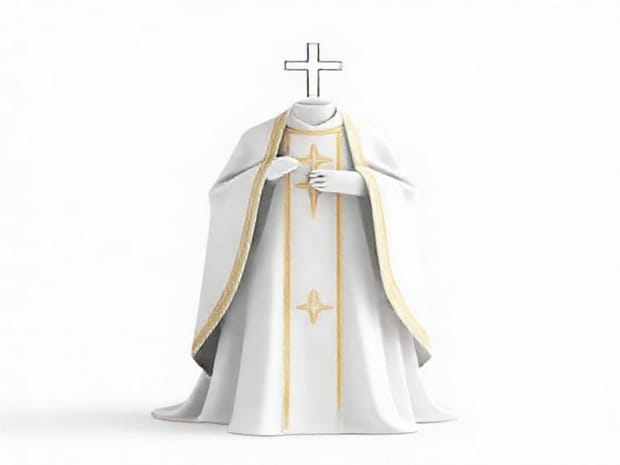
How To Sew A Chasuble
Sewing a chasuble, a traditional vestment worn by priests during liturgical celebrations, is both a spiritual and creative project. This garment has a long history in Christian tradition and is still widely used today in various forms. Making a chasuble by hand allows you to combine craftsmanship with reverence, creating something meaningful that can be cherished for years. While it may seem complex at first, with patience, the right materials, and careful planning, anyone with sewing experience can create a beautiful chasuble.
Understanding the Chasuble
A chasuble is typically a sleeveless outer garment that drapes gracefully over the shoulders and hangs down on both the front and back. It is often made from rich fabrics such as brocade, silk, or wool blends, depending on the liturgical season or personal preference. The design is usually simple, resembling a large poncho with a central opening for the head, but it can be decorated with orphreys, embroidery, or trim.
Symbolism of the Chasuble
The chasuble carries deep symbolic meaning. In Christian tradition, it represents charity and the yoke of Christ, reminding clergy to carry out their ministry with humility. For this reason, many people who sew a chasuble see it as more than just a garment, but also a sacred piece of art that contributes to worship.
Materials Needed
Before you begin, gather all the necessary materials. Having everything ready will make the sewing process much smoother.
- High-quality fabric (silk, linen, brocade, or polyester blend)
- Lining fabric for structure and comfort
- Measuring tape
- Tailor’s chalk or fabric marker
- Scissors
- Sewing machine and matching thread
- Pattern paper or large sheets for drafting
- Iron and ironing board
- Optional trims, appliqués, or embroidery supplies
Taking Measurements
One of the first steps in learning how to sew a chasuble is taking accurate measurements. Although the garment is loose-fitting, proper proportions ensure it drapes elegantly. Measure the desired length from the shoulder to the hem, usually falling just above the ankle. Next, measure the width from wrist to wrist with arms outstretched, as the chasuble often extends widely to create flowing lines.
Drafting the Pattern
To create a chasuble pattern, start with a large piece of paper. Fold it in half lengthwise to ensure symmetry. Draw a semi-circular or oval shape, depending on the desired style, with the fold representing the garment’s center line. Mark a circular neckline at the top, making sure it is wide enough for comfortable wear. This simple pattern forms the base structure of the chasuble.
Style Variations
There are different styles of chasubles, such as the Gothic, which is fuller and rounded, or the Roman, which is more rigid and narrow. Choosing which one to sew depends on liturgical traditions or personal preference. Beginners often find the Gothic style easier to make due to its simpler drape.
Cutting the Fabric
Once the pattern is finalized, place it on the folded fabric and secure it with pins. Carefully cut along the outline, remembering to add seam allowances if needed. Do the same with the lining fabric. Ensure that the neckline is cut accurately, as this will determine comfort and fit.
Sewing the Lining and Outer Fabric
Place the lining and outer fabric pieces together with right sides facing inward. Pin them in place, leaving an opening at the neckline and hem for turning. Sew around the edges with a straight stitch, then trim excess fabric to reduce bulk. Turn the garment right side out and press with an iron to create smooth seams.
Finishing the Neckline
The neckline can be finished in different ways. Some choose to bind it with bias tape, while others add a small facing piece. Make sure the opening is wide enough for easy wear but not so loose that it looks awkward. If desired, you can add a clasp or hook to secure the neckline.
Adding Decorations
Many chasubles feature orphreys, which are decorative bands of fabric stitched vertically down the center front and back, or sometimes forming a cross. To add orphreys, cut strips of contrasting fabric or use pre-made trim. Sew them onto the chasuble carefully, ensuring they are symmetrical. Embroidery, appliqué, or symbols like crosses and liturgical motifs can also be added for a personalized touch.
Choosing Colors for Liturgical Seasons
Traditionally, chasuble colors change with the liturgical calendar. White or gold is used for major feasts, red for Pentecost and martyr commemorations, green for ordinary time, purple for Advent and Lent, and rose for special Sundays. Selecting the right fabric color can enhance the garment’s meaning and connection to worship.
Final Touches
After decorations are complete, press the chasuble once more to smooth out any wrinkles. Inspect all seams to ensure durability. If desired, hand-stitch areas that need reinforcement, especially around the neckline and trims. The finished garment should feel balanced, flowing, and comfortable for the wearer.
Tips for Beginners
- Start with a simple design before attempting complex embroidery or heavy trims.
- Choose durable fabric that can withstand regular use.
- Always prewash fabric to avoid shrinking after sewing.
- Use a dress form to check drape and fit during the sewing process.
Common Mistakes to Avoid
Beginners often make the neckline too small or uneven, which affects comfort. Another mistake is cutting fabric without aligning the grain properly, causing the garment to hang awkwardly. Overloading the chasuble with decorations can also make it heavy and less practical. Balance simplicity with beauty for the best results.
Why Sewing a Chasuble is Rewarding
Creating a chasuble by hand is more than a sewing project it is an act of devotion. Whether for a parish, personal use, or as a gift, the garment reflects care and reverence. The process teaches patience, precision, and creativity, while the final result becomes a lasting contribution to liturgical life. By learning how to sew a chasuble, you preserve a tradition and create something sacred that connects craftsmanship with faith.