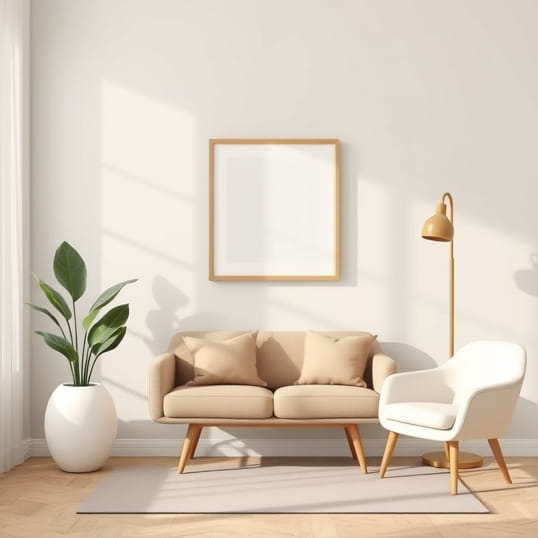
How To Decorate Room
Decorating a room can transform a simple space into a warm, inviting, and aesthetically pleasing environment. Whether you are moving into a new home, refreshing your living space, or creating a personalized bedroom, the process of decorating involves more than just placing furniture and hanging pictures. It requires careful planning, creativity, and an understanding of color, layout, lighting, and style. Knowing how to decorate a room effectively can enhance comfort, functionality, and visual appeal, making the space a reflection of your personality and taste.
Planning Your Room Decor
Before starting any decoration project, planning is essential. Understanding the purpose of the room, the existing layout, and the budget will guide your choices throughout the process.
Identify the Purpose
Consider how the room will be used. Is it a bedroom, living room, office, or guest room? The function of the room will influence your furniture selection, lighting needs, and overall design style.
Measure the Space
Accurate measurements of the room dimensions, including walls, windows, doors, and ceiling height, help in selecting the right furniture and ensuring everything fits harmoniously without overcrowding the space.
Set a Budget
Establishing a budget helps prioritize essential items and avoid overspending. Include costs for furniture, wall decor, lighting, textiles, and decorative accessories. Planning a budget also allows for flexibility in choosing quality pieces that last longer.
Choosing a Style
Selecting a design style provides a cohesive theme for the room. From modern minimalism to rustic charm, the style dictates the choice of furniture, color schemes, and decorative accents.
Modern Style
Modern decor emphasizes clean lines, simplicity, and neutral color palettes. Furniture is often minimalistic, with functional and sleek designs. Accessories are subtle, focusing on practicality and uncluttered spaces.
Traditional Style
Traditional decor incorporates classic furniture, warm colors, and elegant fabrics. It often features rich wood finishes, patterned rugs, and sophisticated artwork, creating a timeless and cozy atmosphere.
Bohemian Style
Bohemian rooms are vibrant and eclectic, combining various textures, colors, and patterns. This style allows personal expression, with decorative items collected from different cultures and eras, creating a relaxed and artistic environment.
Industrial Style
Industrial decor draws inspiration from urban lofts and warehouses. It uses raw materials like metal, brick, and wood, with exposed pipes and beams. The color palette often includes greys, blacks, and earthy tones, giving a rugged yet stylish look.
Color Schemes and Wall Decor
Choosing the right colors and wall decorations can dramatically change the ambiance of a room. Colors influence mood, perception of space, and lighting effects.
Choosing a Color Palette
Select colors that complement the room’s function and style. Light colors make a small room appear larger, while darker shades add warmth and intimacy. Consider using two to three main colors and an accent color for balance and contrast.
Wall Treatments
Walls can be decorated using paint, wallpaper, or textured finishes. Feature walls with bold colors or patterns can become focal points. Adding framed artwork, mirrors, or wall decals enhances visual interest and personalizes the space.
Furniture and Layout
Furniture selection and arrangement are key elements in room decoration. They affect both functionality and aesthetics.
Selecting Furniture
Choose furniture pieces that fit the room’s purpose and style. For a living room, prioritize comfortable seating and functional storage. In a bedroom, focus on the bed, bedside tables, and dressers. Ensure the scale of the furniture matches the room size.
Optimizing Layout
Arrange furniture to create an open flow, making the room feel spacious and inviting. Consider traffic patterns, natural light sources, and focal points. Using multi-functional furniture, such as storage ottomans or sofa beds, maximizes utility in smaller spaces.
Lighting and Ambiance
Lighting is essential in setting the mood and functionality of a room. Proper lighting can highlight features and make the space feel comfortable and welcoming.
Types of Lighting
- Ambient LightingGeneral lighting that illuminates the entire room, usually from ceiling fixtures or recessed lights.
- Task LightingFocused lighting for specific activities, such as reading lamps or under-cabinet lights.
- Accent LightingDecorative lighting that highlights artwork, architectural features, or specific areas of the room.
Lighting Placement
Place lights strategically to avoid shadows and create depth. Combining different lighting layers enhances the room’s warmth and functionality. Consider dimmers to adjust the brightness according to the time of day and mood.
Textiles and Accessories
Textiles and decorative accessories add comfort, color, and personality to a room. They can tie the design elements together and create a cohesive look.
Rugs and Carpets
Rugs add warmth, define areas, and complement the color scheme. Choose sizes that fit the furniture layout and patterns that enhance the overall design.
Curtains and Blinds
Window treatments affect natural light, privacy, and style. Light fabrics create airy and bright spaces, while heavier materials offer warmth and insulation.
Cushions and Throws
Decorative cushions and throws add texture, color, and comfort. They can be easily updated to refresh the room’s look without significant expense.
Decorative Accessories
Accessories such as vases, plants, books, and ornaments personalize the space. They reflect individual style and can serve as conversation starters. Avoid clutter by selecting a few meaningful pieces that complement the room’s theme.
Personalization and Final Touches
Adding personal touches makes the room feel uniquely yours. Incorporate items that have sentimental value, such as family photos, travel souvenirs, or handcrafted items. Ensure these elements blend seamlessly with the overall design to create a harmonious and inviting space.
Creating Focal Points
Identify a focal point in the room, such as a fireplace, artwork, or statement furniture piece. Arrange other elements around it to draw attention and create visual balance.
Maintaining Balance
Balance colors, textures, and furniture to avoid overcrowding or a chaotic appearance. Symmetry can create a sense of order, while asymmetry adds interest and dynamism.
Decorating a room is a creative and rewarding process that involves careful planning, understanding styles, choosing appropriate colors, arranging furniture, and adding personal touches. By considering the purpose of the room, selecting a cohesive design style, using the right lighting, textiles, and accessories, anyone can transform an ordinary space into a functional, aesthetically pleasing, and personalized environment. Effective room decoration enhances not only the visual appeal but also the comfort and usability of the space, reflecting individual tastes and creating a welcoming atmosphere for family, friends, and guests alike.