How Many Menisci Are There In Each Knee
The human knee is one of the most complex and important joints in the body, allowing for movement, weight-bearing, and stability during everyday activities. A crucial part of the knee’s anatomy is the meniscus, a C-shaped piece of cartilage that acts as a shock absorber between the thigh bone (femur) and the shin bone (tibia). Understanding the number, structure, and function of menisci in each knee is essential not only for medical professionals but also for anyone interested in sports, rehabilitation, or general health. The menisci play a key role in protecting the knee joint, distributing weight evenly, and preventing excessive wear on the bones, which makes them vital for long-term joint health.
Number of Menisci in Each Knee
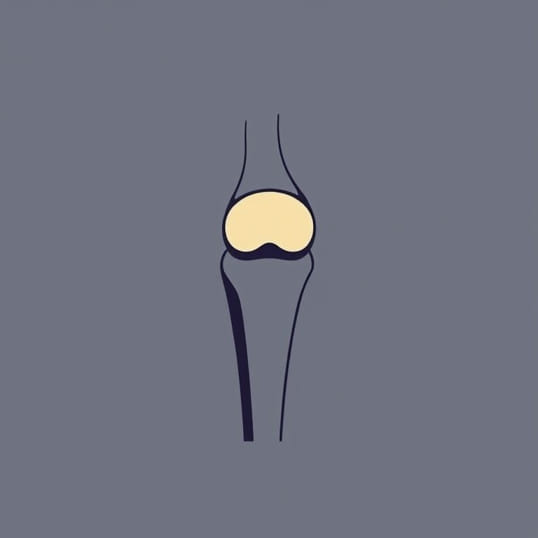
Each human knee contains two menisci, one on the inner side and one on the outer side of the joint. These are known as the medial meniscus and the lateral meniscus. The medial meniscus is located on the inner side of the knee, closer to the other knee, while the lateral meniscus is situated on the outer side of the knee, farther from the midline of the body. Both menisci are made of fibrocartilage, which is a tough, flexible material that can withstand significant pressure and friction during movement.
Medial Meniscus
The medial meniscus is shaped like a crescent and is slightly larger than the lateral meniscus. It is firmly attached to the tibial plateau and the joint capsule, which makes it less mobile compared to the lateral meniscus. This strong attachment makes the medial meniscus more prone to injury, especially in twisting motions or sudden impacts. Its main functions include distributing body weight across the knee joint, absorbing shock during walking or running, and stabilizing the joint by limiting excessive movement of the femur on the tibia.
Lateral Meniscus
The lateral meniscus is smaller and more circular in shape compared to the medial meniscus. It has a looser attachment to the joint capsule, allowing it to move more freely with the femur during knee movement. This increased mobility helps reduce the risk of injury in some scenarios, but it still serves similar functions shock absorption, load distribution, and joint stabilization. The lateral meniscus covers a larger portion of the tibial plateau, which helps spread out the force exerted on the knee during activities such as running, jumping, or squatting.
Functions of the Menisci
Both menisci work together to maintain the health and function of the knee joint. Their primary functions include
- Shock AbsorptionMenisci cushion the impact between the femur and tibia, reducing the stress on bones and cartilage during activities.
- Load DistributionThey evenly distribute body weight across the knee joint, which helps prevent wear and tear on specific areas of cartilage.
- Joint StabilityMenisci contribute to knee stability by preventing excessive movement of the femur and tibia, especially during rotational or twisting motions.
- LubricationThe movement of menisci assists in the circulation of synovial fluid, which lubricates the joint and nourishes cartilage.
- ProprioceptionMenisci contain nerve endings that provide sensory feedback, helping the body maintain balance and coordination.
Common Meniscus Injuries
Meniscus injuries are among the most common knee problems, particularly in athletes or individuals who engage in physically demanding activities. These injuries can range from small tears to complete detachment, and they often occur due to twisting, sudden stops, or direct trauma. Medial meniscus tears are more common because the medial meniscus is less mobile and more firmly attached to the joint capsule. Symptoms of a meniscus injury include pain, swelling, locking of the knee, and limited range of motion.
Diagnosis and Treatment
Diagnosis of meniscus injuries typically involves a combination of physical examination and imaging techniques such as MRI scans, which provide a detailed view of the cartilage. Treatment options depend on the severity and location of the tear. Minor injuries may heal with rest, physical therapy, and anti-inflammatory medications. More severe tears might require surgical interventions, including meniscus repair or partial removal of the damaged tissue. Maintaining knee health through strength training, stretching, and proper technique during physical activities can help prevent meniscus injuries.
Meniscus and Long-Term Knee Health
The menisci are critical for maintaining long-term knee health. Without healthy menisci, the knee is more susceptible to degenerative changes such as osteoarthritis, where cartilage wears down and causes pain and stiffness. Preserving meniscus function through careful movement, avoiding excessive strain, and seeking timely medical care after injuries can significantly improve joint longevity. Furthermore, recent advancements in regenerative medicine, including stem cell therapy and tissue engineering, aim to repair or replace damaged meniscus tissue, offering hope for improved outcomes in patients with severe injuries.
Preventive Measures
- Regular exercises to strengthen quadriceps, hamstrings, and calf muscles to support knee stability.
- Wearing appropriate footwear during sports and physical activities to reduce stress on the knees.
- Using proper techniques in sports, such as avoiding twisting movements under load.
- Maintaining a healthy weight to minimize excessive pressure on the knee joints.
- Early intervention after knee injuries to prevent long-term cartilage damage.
Each human knee contains two menisci the medial meniscus on the inner side and the lateral meniscus on the outer side. These fibrocartilaginous structures are essential for shock absorption, load distribution, joint stability, lubrication, and proprioception. While the medial meniscus is larger and more prone to injury due to its limited mobility, the lateral meniscus moves more freely and helps spread force across the knee. Understanding the structure, function, and care of menisci is vital for preventing injuries, promoting joint health, and ensuring long-term mobility. Proper exercise, preventive measures, and timely medical care can help preserve meniscus function and maintain healthy knees throughout life.