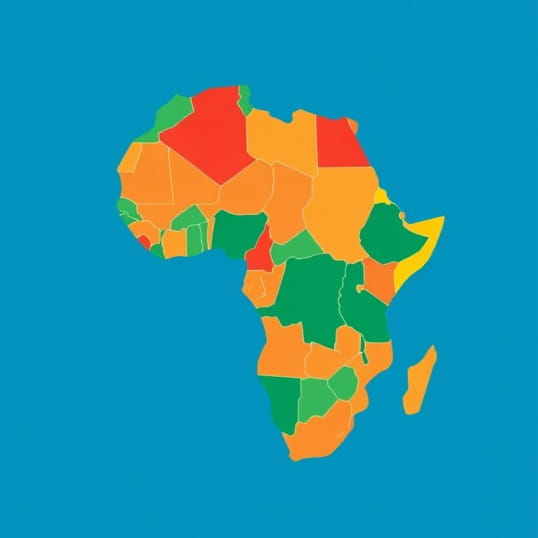
How Many Countries In Sub Saharan Africa
Sub-Saharan Africa is a vast and diverse region that encompasses the area of the African continent located south of the Sahara Desert. This region is known for its rich cultural heritage, varied landscapes, abundant natural resources, and dynamic societies. Many people often ask, How many countries are in Sub-Saharan Africa? Understanding the number of countries, their geographic distribution, and regional groupings is essential for gaining insight into the political, economic, and social fabric of this significant part of the world. Sub-Saharan Africa includes a wide array of countries, each with its unique history, culture, and economic profile, contributing to the overall diversity of the continent.
Defining Sub-Saharan Africa
Sub-Saharan Africa refers to all African countries located south of the Sahara Desert, excluding North African nations like Egypt, Libya, Tunisia, Algeria, and Morocco. This distinction is made due to significant differences in geography, climate, culture, and historical development between the northern and southern regions of Africa. Sub-Saharan Africa encompasses regions such as West Africa, East Africa, Central Africa, and Southern Africa, each with its own set of countries and distinctive characteristics.
Geographic and Cultural Significance
The Sahara Desert acts as a natural barrier separating North Africa from the rest of the continent. South of this desert, Sub-Saharan Africa features a variety of landscapes including savannas, rainforests, highlands, deserts, and coastal plains. The region is home to a rich diversity of languages, ethnic groups, and traditions. It also includes major rivers such as the Nile (southern stretches), Congo, Niger, and Zambezi, which play vital roles in agriculture, transportation, and economic development.
Number of Countries in Sub-Saharan Africa
As of today, Sub-Saharan Africa consists of 46 countries. This number is recognized by international organizations such as the United Nations and the African Union. The countries in this region vary greatly in size, population, economic development, and political systems. From populous nations like Nigeria and Ethiopia to smaller countries such as Lesotho and Seychelles, Sub-Saharan Africa encompasses a wide spectrum of countries contributing to the continent’s rich diversity.
Regional Breakdown
Sub-Saharan Africa can be grouped into four main regions for better understanding
West Africa
West Africa includes countries that lie along the western coast and inland areas. This region is known for its historical trade routes, vibrant cultures, and economic hubs. The West African countries are
- Benin
- Burkina Faso
- Cabo Verde
- Côte d’Ivoire
- Gambia
- Ghana
- Guinea
- Guinea-Bissau
- Liberia
- Mali
- Niger
- Nigeria
- Senegal
- Sierra Leone
- Togo
East Africa
East Africa features countries along the eastern coast and inland areas. Known for its wildlife reserves, historical trade ports, and highlands, East Africa is a culturally and ecologically rich region. The countries include
- Burundi
- Comoros
- Djibouti
- Eritrea
- Eswatini
- Ethiopia
- Kenya
- Madagascar
- Malawi
- Mauritius
- Mozambique
- Rwanda
- Seychelles
- Tanzania
- Uganda
- Zambia
- Zimbabwe
Central Africa
Central Africa consists of countries in the heart of the continent. This region is heavily forested, rich in minerals, and home to diverse wildlife. The countries are
- Cameroon
- Central African Republic
- Chad
- Republic of the Congo
- Democratic Republic of the Congo
- Equatorial Guinea
- Gabon
- São Tomé and PrÃncipe
Southern Africa
Southern Africa includes countries at the southern tip of the continent. This region is known for deserts such as the Kalahari, scenic coastlines, and rich mineral resources. The countries include
- Angola
- Botswana
- Lesotho
- Namibia
- South Africa
- Eswatini
- Zambia
- Zimbabwe
Population and Diversity
Sub-Saharan Africa is home to more than 1.1 billion people, representing a significant portion of the global population. Nigeria is the most populous country in the region with over 200 million people, while smaller nations like Seychelles have populations under 100,000. This diversity in population contributes to varied cultural practices, languages, and economic activities across the region.
Languages and Cultures
Sub-Saharan Africa has thousands of languages spoken across different countries, including major languages such as Swahili, Hausa, Yoruba, Zulu, and Amharic. Cultural traditions, music, dance, and art vary widely, reflecting the historical interactions between indigenous societies, colonial powers, and modern influences.
Economic Significance
The countries in Sub-Saharan Africa possess significant natural resources including oil, minerals, forests, and fertile land. Agriculture remains a major economic activity, employing a large portion of the population. Regional organizations like the Economic Community of West African States (ECOWAS) and the Southern African Development Community (SADC) work to promote trade, cooperation, and development within the region.
Challenges and Opportunities
While Sub-Saharan Africa is rich in natural and human resources, it faces challenges such as political instability, poverty, and health issues. However, rapid urbanization, technological innovation, and investment in infrastructure present opportunities for growth and development. Understanding the number of countries and their regional groupings helps policymakers, investors, and researchers address these challenges effectively.
Sub-Saharan Africa consists of 46 countries south of the Sahara Desert, each with unique geographical, cultural, and economic characteristics. The region includes West Africa, East Africa, Central Africa, and Southern Africa, featuring diverse landscapes, rich resources, and vibrant societies. Knowing the number of countries and understanding the regional breakdown is essential for studying the political, economic, and social dynamics of the continent. Sub-Saharan Africa’s diversity, population, and potential make it a key region on the global stage, and understanding its composition provides valuable insight into its development, challenges, and opportunities for the future.