How Do Ouija Boards Work
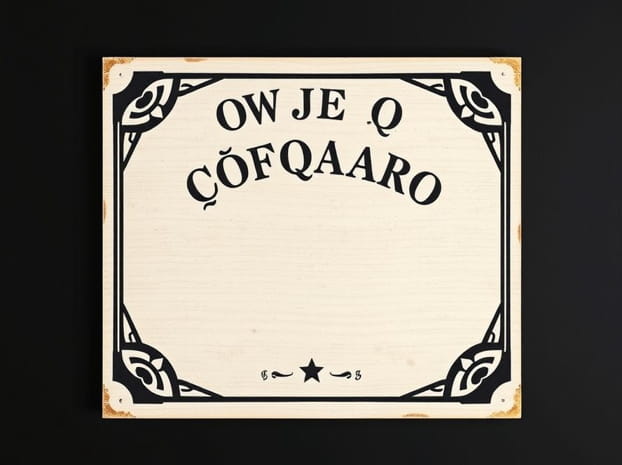
Ouija boards have fascinated people for over a century as a mysterious tool used to communicate with the unknown. Often associated with paranormal activity, the boards are typically made of wood or cardboard and feature letters, numbers, and words such as yes,” “no,” and “goodbye.” Participants place their fingers on a small, movable indicator called a planchette, which seems to move on its own to spell out messages. Many people wonder how Ouija boards work, whether they truly allow contact with spirits, or if there is a scientific explanation behind the seemingly supernatural phenomenon.
The Origins of Ouija Boards
Ouija boards were first commercially introduced in the late 19th century during the height of the spiritualist movement in the United States. Spiritualism, a belief system focused on communicating with the dead, gained popularity after the Civil War. The board was marketed as a parlor game, and despite its mystical reputation, it was intended for entertainment and social interaction. Early boards included the alphabet, numbers, and words to form simple messages, a format that remains standard today.
Historical Context
- First patented in 1890 by Elijah Bond.
- Popularized as a novelty game in the early 1900s.
- Used in seances and spiritualist practices to purportedly contact spirits.
- Associated with both entertainment and supernatural investigation over time.
How Ouija Boards Are Used
To use a Ouija board, participants typically sit around the board with their fingers lightly resting on the planchette. A question is asked aloud, and the planchette appears to move toward letters or numbers to spell out a response. Sessions may involve a single person or multiple participants, and messages can range from simple words to complex sentences. The process is often accompanied by an air of mystery, heightened by dim lighting or a quiet environment.
Steps of a Typical Session
- Participants lightly place fingers on the planchette.
- A question is asked to the board or spirits.
- The planchette moves over letters, numbers, or words to form a message.
- The message is interpreted and discussed among participants.
- Sessions typically conclude with the planchette moving to “goodbye.”
The Science Behind Ouija Boards
Despite the board’s supernatural reputation, scientific studies suggest that the movement of the planchette can often be explained by psychological and physical factors. The most widely accepted explanation is the ideomotor effect. This phenomenon occurs when a person makes unconscious movements in response to thoughts or suggestions, meaning participants may move the planchette without consciously realizing it.
The Ideomotor Effect
The ideomotor effect explains why the planchette seems to move on its own. When participants focus on a question or expect a response, their subconscious minds can guide subtle hand movements, causing the planchette to spell out coherent messages. The effect is strengthened when multiple participants are involved, as each contributes to the movement in a way they may not consciously notice.
Psychological Factors
Several psychological elements contribute to the Ouija board experience. Expectation, suggestion, and social influence play significant roles. Participants may interpret random movements as meaningful messages because they anticipate contact with a spirit. Peer influence during group sessions can reinforce this perception, making the experience feel more mystical and credible.
Common Misconceptions
Many people believe that Ouija boards are a direct portal to the spirit world. Popular culture, including movies and books, has reinforced this idea, often depicting the board as a tool for summoning spirits or communicating with the dead. However, there is no scientific evidence that Ouija boards facilitate contact with spirits. Most experiences can be attributed to subconscious movements and human psychology rather than paranormal forces.
Safety Considerations
While Ouija boards are generally safe as entertainment, some participants report feeling anxious or frightened after a session. This may be due to the mind’s response to suggestion or the anticipation of supernatural forces. Experts recommend using the board responsibly, focusing on fun and curiosity rather than fear or expectation of real spiritual contact.
Exploring the Mystique of Ouija Boards
Despite scientific explanations, Ouija boards maintain a cultural allure. They are often used in games, storytelling, and social gatherings to create suspense and entertainment. The board’s mystique lies in its ambiguous nature participants can perceive messages as supernatural while the underlying mechanisms remain psychological and physical. This duality has kept Ouija boards popular for over a century.
Uses in Popular Culture
- Feature in horror movies and paranormal-themed entertainment.
- Used in literature and storytelling to evoke mystery.
- Incorporated in games and social events for entertainment purposes.
- Studied in psychology and neuroscience for understanding human perception and suggestion.
Tips for Using Ouija Boards Responsibly
If you choose to use a Ouija board, it is important to approach it with a sense of curiosity rather than fear. Understanding the psychological basis of the board can make the experience enjoyable and safe. Participants should maintain light finger pressure on the planchette, ask neutral questions, and avoid expecting supernatural contact.
Practical Guidelines
- Use the board in a relaxed, well-lit environment.
- Set clear intentions, such as entertainment or curiosity.
- Keep an open mind about the ideomotor effect.
- End sessions with the planchette on “goodbye” to conclude properly.
- Do not rely on Ouija boards for serious decision-making.
Ouija boards continue to fascinate people because of their mysterious reputation and the unique interactive experience they provide. While popular culture often portrays them as tools to communicate with the dead, science suggests that subconscious movements and the ideomotor effect explain most interactions. Psychological factors, social influence, and human perception all play crucial roles in the board’s functioning. Understanding how Ouija boards work allows participants to enjoy the experience safely, responsibly, and with a greater appreciation for the intricate interplay between mind and expectation. Whether used for entertainment, curiosity, or social bonding, Ouija boards demonstrate how human psychology can create seemingly supernatural experiences that continue to captivate and intrigue people around the world.