How Big Is Majorca
Majorca, also spelled Mallorca, is the largest island in the Balearic archipelago, located in the Mediterranean Sea off the eastern coast of Spain. Its size and geographical features make it a prominent destination for tourists, geographers, and historians alike. Understanding how big Majorca is involves not just looking at its total land area, but also its topography, coastline, and population distribution. The island’s size influences climate patterns, agriculture, urban planning, and transportation networks, making it a significant subject for studies related to Mediterranean islands. Majorca’s blend of mountainous regions, fertile plains, and extensive coastline contributes to its ecological diversity, cultural richness, and economic activities, especially tourism. By examining the island’s dimensions, physical features, and comparative scale, one gains a comprehensive view of why Majorca holds such an important place in Spain’s geography and economy.
Geographical Overview of Majorca
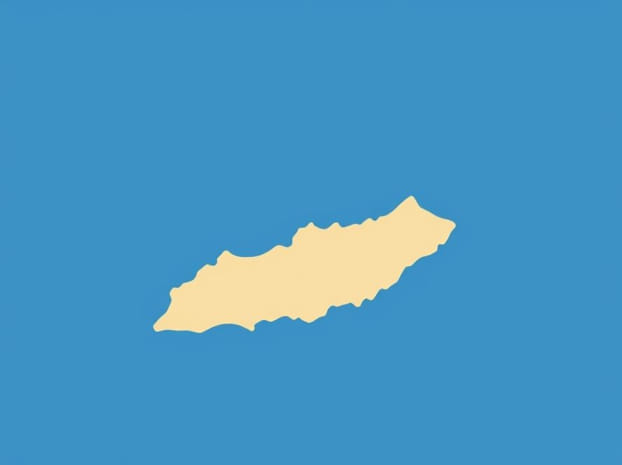
Majorca occupies an area of approximately 3,640 square kilometers (1,405 square miles), making it the largest island in the Balearic Islands group, which also includes Minorca, Ibiza, and Formentera. The island stretches roughly 100 kilometers (62 miles) from northeast to southwest and about 70 kilometers (43 miles) from northwest to southeast. Its strategic location in the western Mediterranean has historically made it an important hub for trade, maritime navigation, and cultural exchange. Majorca’s landscape is diverse, featuring mountains in the northwest, central plains, and low-lying coastal areas, which collectively contribute to its ecological and economic significance.
Topography and Natural Features
The Serra de Tramuntana mountain range dominates the northern part of Majorca, running parallel to the coastline and providing dramatic elevation changes. The highest peak, Puig Major, reaches 1,445 meters (4,737 feet), making it not only the tallest point on the island but also a significant feature influencing local weather and water catchment. The central plains, known as Es Pla, are fertile areas suitable for agriculture, particularly for growing olives, almonds, and cereals. The southern part of Majorca consists of rolling hills and low-lying areas that gradually lead to sandy beaches and coves along the coastline.
Coastline and Coastal Features
Majorca has an extensive coastline measuring approximately 550 kilometers (342 miles), characterized by sandy beaches, rocky cliffs, and sheltered coves. The coastline is integral to the island’s tourism industry, providing resorts, marinas, and natural attractions. Notable coastal areas include Palma Bay, Alcudia, Cala d’Or, and Port de Sóller. The island’s size, combined with its varied coastal geography, allows for a wide range of recreational and maritime activities such as sailing, snorkeling, and hiking along coastal trails. The coastal zones also host important ecosystems, including wetlands and dunes that support endemic flora and fauna.
Comparison with Other Islands
- Majorca is significantly larger than Minorca, which covers 702 square kilometers (271 square miles).
- It is more than four times the size of Ibiza, which measures 571 square kilometers (220 square miles).
- The island’s size enables a greater diversity of landscapes and economic activities compared to smaller Balearic islands.
- Its combination of mountains, plains, and coastline makes it geographically distinct within the Mediterranean region.
Population and Urban Areas
With a population exceeding 900,000 residents, Majorca is the most populous island in the Balearics. Palma, the island’s capital, is home to nearly half of the population and serves as the administrative, cultural, and economic center. Other significant towns include Inca, Manacor, and Alcudia. The population distribution reflects the island’s size, with densely populated urban areas along the coast and more sparsely populated interior regions. Majorca’s size allows for a combination of urban development, agricultural zones, and protected natural areas, balancing human activity with environmental conservation.
Economic Implications of the Island’s Size
The considerable size of Majorca has influenced its economy, particularly in agriculture, tourism, and services. Fertile plains support large-scale cultivation of fruits, vegetables, and olives, while mountains and forests provide resources such as timber and grazing areas. Tourism is concentrated along the coast but also extends inland, with activities like hiking, cycling, and rural tourism benefiting from the island’s expansive geography. The size of Majorca allows for diverse economic opportunities, which contribute to the overall prosperity of the Balearic region.
Transportation and Connectivity
The island’s size requires a well-developed transportation network to connect urban centers, tourist destinations, and rural areas. Majorca has an extensive road system, including highways linking Palma to northern and southern towns. Public transportation, such as buses and trains, facilitates travel across the island. Palma de Mallorca Airport serves as the main gateway for international travelers, reflecting the island’s role as a major tourist hub. The island’s dimensions, topography, and infrastructure collectively determine how people and goods move efficiently across Majorca.
Impact on Travel and Tourism
- Majorca’s large size allows for a wide variety of tourist destinations, from beaches to mountains.
- The extensive road and transport network ensures accessibility to remote villages and natural areas.
- Size influences travel time, planning, and accommodation strategies for visitors.
- Geographical diversity enables year-round tourism, accommodating both summer beach vacations and winter hiking.
Environmental Considerations
Majorca’s size supports multiple ecosystems, including forests, wetlands, coastal dunes, and alpine zones in the Serra de Tramuntana. The island’s spatial extent allows for ecological zoning, nature reserves, and protected areas that preserve biodiversity. Environmental management on a large island requires balancing tourism, urban development, and agriculture with conservation. The size of Majorca contributes to the sustainability challenges, such as water management, waste disposal, and habitat protection, while also offering opportunities for eco-tourism and renewable energy initiatives.
Key Conservation Areas
- Serra de Tramuntana, a UNESCO World Heritage Site, featuring mountain ecosystems and cultural landscapes.
- Albufera de Mallorca, a wetland reserve supporting migratory birds and endemic species.
- Coastal marine zones that protect seagrass beds, fish populations, and water quality.
- Rural landscapes that maintain traditional agriculture and natural habitats.
Cultural and Historical Impact of Majorca’s Size
Majorca’s size has influenced its cultural development and historical significance. Larger territory allowed for the establishment of multiple settlements, fortifications, and trading posts throughout history. The island’s strategic position and substantial area made it a contested region among civilizations, including Romans, Moors, and Catalans. Its size also enabled the preservation of cultural diversity, from traditional villages to modern urban centers. Festivals, historical landmarks, and artistic heritage are spread across the island, reflecting the interplay between geography and human activity.
Notable Cultural Features
- Palma Cathedral and historic old town in the capital city.
- Rural villages maintaining traditional crafts, cuisine, and festivals.
- Architectural landmarks influenced by Roman, Moorish, and Catalan cultures.
- Archaeological sites such as Talayotic settlements illustrating ancient human presence.
Majorca is the largest island in the Balearic archipelago, covering approximately 3,640 square kilometers and featuring diverse landscapes, ecosystems, and cultural sites. Its size enables a unique combination of mountainous regions, fertile plains, extensive coastlines, and densely populated urban areas. Understanding how big Majorca is allows for insights into its climate, ecology, economy, transportation, and tourism potential. From the Serra de Tramuntana mountains to the sandy beaches along the coast, the island’s size plays a pivotal role in shaping human activity, natural habitats, and cultural heritage. The expansive geography of Majorca not only supports economic development and tourism but also fosters ecological diversity and conservation efforts, making it a key feature of the Mediterranean region.
By exploring Majorca’s dimensions and features, one can appreciate the island’s strategic importance, ecological richness, and cultural significance. The size of Majorca influences everything from climate and water resources to tourism and urban planning, highlighting the intricate relationship between geography and human life. For residents, visitors, and researchers alike, understanding the island’s scale provides a comprehensive perspective on its role in the Balearic Islands and the broader Mediterranean context.