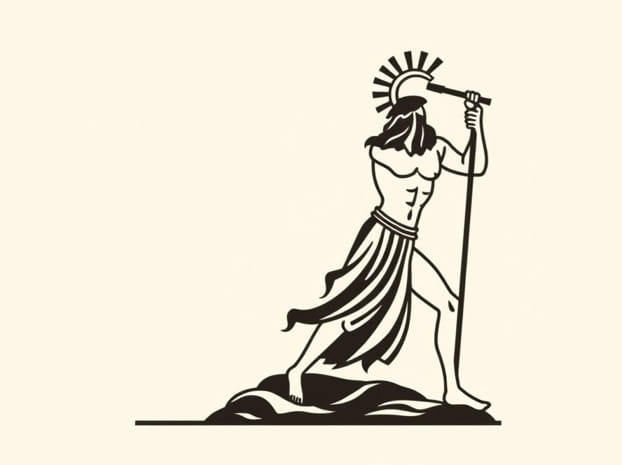
Hercules And Antaeus Meaning
The story of Hercules and Antaeus is one of the most fascinating episodes in Greek mythology, illustrating themes of strength, strategy, and the interplay between human power and divine or natural forces. While Hercules is celebrated as the epitome of heroic strength and courage, Antaeus represents a unique kind of invincibility rooted in his connection to the earth. Their encounter is not just a tale of brute force, but also a lesson in understanding limitations, thinking strategically, and recognizing the deeper symbolic meanings behind mythological narratives. Exploring this myth provides insight into how the Greeks interpreted strength, vulnerability, and the relationship between humanity and nature.
The Characters Hercules and Antaeus
Hercules, also known as Heracles in Greek mythology, is one of the most famous heroes, renowned for his extraordinary strength, courage, and his completion of the twelve labors assigned to him. He embodies the ideal of physical prowess combined with determination and resilience, often overcoming challenges that seem insurmountable. Antaeus, on the other hand, is a lesser-known figure, a giant born of Gaia, the earth goddess, and Poseidon, the god of the sea. His remarkable power comes from his mother, Gaia, as he is invincible as long as he remains in contact with the ground. This unique attribute makes Antaeus a formidable opponent, whose strength is intimately tied to nature itself.
The Encounter Between Hercules and Antaeus
The encounter between Hercules and Antaeus occurs during one of Hercules’ journeys as part of his labors or adventures. Antaeus challenges all who pass through his territory, deriving his power from the earth beneath him. When Hercules confronts Antaeus, he quickly realizes that conventional strength alone is not enough to defeat the giant. Antaeus repeatedly gains renewed energy whenever he touches the ground, making direct combat futile. This scenario sets the stage for a critical turning point in the myth, emphasizing that understanding the source of one’s opponent’s strength can be just as important as one’s own physical abilities.
The Meaning Behind the Myth
The story of Hercules and Antaeus carries several layers of symbolic meaning. At the surface, it illustrates the triumph of human ingenuity over brute force, highlighting that intelligence and strategy can overcome even seemingly insurmountable challenges. Hercules’ realization that lifting Antaeus off the ground deprives him of his power demonstrates the importance of observation and tactical thinking. Symbolically, Antaeus represents forces of nature or challenges that are deeply rooted and seemingly unstoppable, while Hercules embodies the human ability to adapt, innovate, and prevail through cleverness and strength combined.
Themes of Strength and Strategy
One of the primary themes of the Hercules and Antaeus myth is the distinction between raw strength and strategic intelligence. Hercules possesses immense power, but it is his insight into the source of Antaeus’ invincibility that allows him to succeed. By lifting Antaeus off the ground, Hercules neutralizes the giant’s connection to the earth, effectively rendering him mortal. This action emphasizes that understanding one’s opponent and adapting to unique circumstances is essential for overcoming obstacles. The myth teaches that success often requires more than sheer force it demands awareness, critical thinking, and the ability to exploit weaknesses.
Symbolism of Antaeus
Antaeus, as the son of Gaia, symbolizes the deep-rooted strength of nature and the earth itself. His invincibility when touching the ground suggests that some forms of power are inherently connected to their origin. In this sense, Antaeus represents challenges or forces that draw strength from their environment, making them resistant to conventional approaches. The myth underscores that overcoming such forces requires more than ordinary effort; it requires understanding and manipulating the fundamental principles that sustain them. Antaeus’ defeat by Hercules illustrates the interplay between natural forces and human ingenuity, a recurring theme in Greek mythology.
Hercules’ Heroism
Hercules’ handling of Antaeus also enhances his status as a hero not just of strength, but of intelligence and adaptability. The myth demonstrates that true heroism encompasses the ability to assess situations, recognize the source of challenges, and respond with innovative solutions. By lifting Antaeus and crushing him, Hercules showcases a combination of brute force and tactical acumen, reinforcing his role as a model of courage, strength, and wisdom. This episode is one of many that highlights the multifaceted nature of heroism in Greek mythology, where mental acuity is as celebrated as physical might.
Lessons from the Myth
The story of Hercules and Antaeus offers timeless lessons that extend beyond mythology into practical and philosophical insights
- Understanding the Source of StrengthRecognize the foundations of power, whether in people, systems, or nature, to effectively address challenges.
- AdaptabilityFlexibility and innovation are crucial in overcoming obstacles that cannot be solved through conventional means.
- Strategic ThinkingSuccess often relies on intelligence and insight as much as physical ability or resources.
- Human Ingenuity vs. Natural ForcesThe myth explores the relationship between human effort and environmental or natural constraints.
- The Importance of ObservationCareful observation and understanding of circumstances can reveal opportunities for victory that are not immediately apparent.
Cultural and Historical Impact
The myth of Hercules and Antaeus has resonated through centuries as a symbol of strategic problem-solving and the triumph of human intellect over formidable challenges. Ancient Greek audiences likely saw in the tale both entertainment and moral instruction, reflecting societal admiration for heroes who combined strength with cleverness. Over time, the story has influenced literature, art, and philosophy, serving as a reference point for discussions about power, adaptability, and the nuanced nature of heroism. Its enduring appeal lies in the universal relevance of its themes, which continue to inspire and educate audiences today.
Interpretations in Literature and Art
Artists and writers have repeatedly drawn on the image of Hercules lifting Antaeus to depict triumph over adversity, the application of cleverness in challenging circumstances, and the confrontation between human skill and natural or external forces. In sculpture, painting, and literature, the episode often emphasizes dynamic action, struggle, and the moment of realization when Hercules discovers the secret to victory. These interpretations reinforce the symbolic depth of the myth and demonstrate its versatility as a source of inspiration for creative expression across different eras and cultural contexts.
The myth of Hercules and Antaeus is a compelling narrative that combines adventure, heroism, and moral insight. It underscores the importance of intelligence, strategy, and adaptability alongside physical strength. Antaeus represents the power of nature and the idea that some challenges draw strength from their origins, while Hercules embodies the ability to understand, adapt, and overcome through both might and cleverness. The story’s enduring significance lies in its timeless lessons about human ingenuity, the value of observation, and the interplay between strength and strategy.
By examining Hercules and Antaeus, we gain a richer understanding of Greek mythology and the principles it sought to convey about power, heroism, and the complexities of overcoming obstacles. This myth reminds us that challenges often require more than force alone they demand insight, creativity, and the courage to act decisively. Hercules’ victory over Antaeus remains a powerful symbol of human capability and wisdom, illustrating that true strength is measured not only by physical might but also by understanding, strategy, and the ability to confront challenges with both mind and body in harmony.