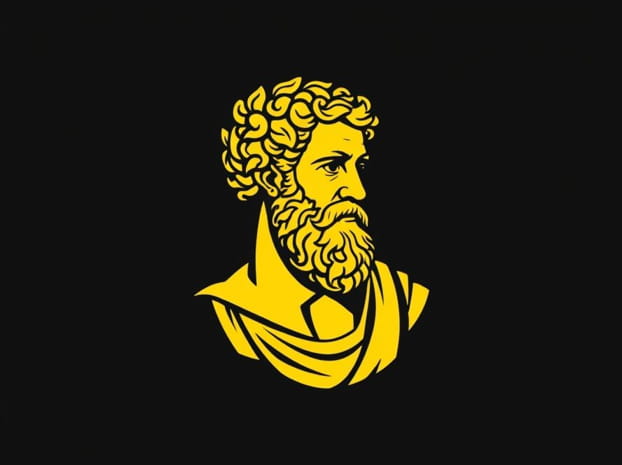
Gold Bust Of Septimius Severus
The gold bust of Septimius Severus is one of the most fascinating and luxurious examples of Roman imperial portraiture, combining meticulous craftsmanship with symbolic authority. Septimius Severus, who ruled from 193 to 211 AD, was the founder of the Severan dynasty and is remembered for his military campaigns, administrative reforms, and efforts to consolidate power across the Roman Empire. The gold bust, a rare artifact, captures not only the likeness of the emperor but also the prestige and opulence associated with imperial imagery. Crafted from solid gold or gilded bronze, this type of bust served both as a political statement and a work of art, reflecting the emperor’s authority, divine favor, and personal identity.
Historical Background of Septimius Severus
Septimius Severus was born in Leptis Magna, a prominent city in modern-day Libya, in 145 AD. Rising through military and political ranks, he eventually claimed the throne after the Year of the Five Emperors, a period of civil conflict. His reign marked significant military expansion and consolidation of Roman territories, particularly in the East. The Severan dynasty, which he established, was characterized by strong central authority and strategic use of imagery to assert legitimacy. The gold bust of Septimius Severus reflects these political ambitions, serving as both a portrait and a symbol of imperial power that communicated his stature to subjects and allies alike.
Purpose and Symbolism of the Bust
Roman emperors used portraiture to convey authority, legitimacy, and divine approval. The gold bust of Septimius Severus was likely intended for display in palaces, temples, or official state spaces. The material itself gold symbolized wealth, immortality, and divine favor, while the detailed representation of facial features and attire reinforced the emperor’s personal and political image. Busts like this one were not mere decorative objects; they were tools of propaganda, asserting Severus’ power, military prowess, and connection to Rome’s illustrious past. The intricate craftsmanship also demonstrated the skill of Roman artisans and the value placed on artistic excellence in imperial culture.
Artistic Features and Style
The gold bust of Septimius Severus exhibits characteristics of Roman portraiture during the Severan period, emphasizing realism combined with idealization. The emperor is often depicted with a strong, square jaw, deep-set eyes, and a neatly groomed beard, reflecting both his maturity and authority. His expression conveys determination and wisdom, qualities that reinforced his image as a capable ruler. The use of gold or gilding enhanced the visual impact, creating a sense of brilliance and permanence. This combination of naturalistic detail and symbolic material made the bust a powerful representation of imperial dignity and prestige.
Techniques and Craftsmanship
Creating a gold bust required advanced metallurgical and sculptural skills. Artisans employed techniques such as casting, chasing, and engraving to achieve fine details in facial features, hair, and clothing. The surface might have been polished to enhance its reflective quality, further emphasizing the emperor’s elevated status. The level of craftsmanship reflects the importance of the emperor’s image in Roman society and the investment of significant resources to produce such luxurious works. These techniques also illustrate the Roman mastery of materials and their ability to combine artistic skill with political messaging.
Comparisons with Other Imperial Portraits
The gold bust of Septimius Severus can be compared to other Roman imperial portraits to understand its unique qualities. While marble and bronze were common materials for imperial sculpture, gold was rare and reserved for the most prestigious representations. Unlike standard marble busts, which circulated widely for public and private display, gold busts were likely limited to elite spaces and audiences. Compared to earlier emperors, Severus’ portrait exhibits a greater emphasis on individual character, with realistic details combined with symbolic grandeur. This approach marked a subtle shift in imperial portraiture, balancing personal likeness with political messaging.
Facial Features and Iconography
The iconography of Septimius Severus’ gold bust includes distinct features such as a trimmed beard, short curly hair, and a stern yet composed facial expression. These elements were carefully chosen to project strength, wisdom, and authority. Roman portraiture often incorporated subtle indicators of divine favor or military achievement, and gold as a material reinforced these messages. The careful rendering of eyes, nose, and mouth conveyed personality and leadership qualities, making the bust a potent tool for political and ceremonial purposes.
Preservation and Historical Significance
Gold is a durable material, which has contributed to the survival of such imperial busts over centuries. The gold bust of Septimius Severus offers scholars and historians valuable insight into Roman art, imperial propaganda, and the material culture of the Severan period. Its preservation allows modern audiences to study the technical and artistic achievements of Roman craftsmen, as well as the cultural and political environment in which the emperor ruled. This bust also highlights the importance of visual representation in maintaining imperial authority and legacy.
Collections and Exhibitions
Gold busts of Septimius Severus are often housed in major museums, where they are displayed alongside other Roman artifacts to contextualize the Severan dynasty and Roman imperial culture. Exhibitions focus on artistic techniques, historical context, and the political role of portraiture. Visitors can appreciate the intricate craftsmanship, the luminous quality of the material, and the detailed representation of the emperor’s features. These exhibits serve both educational and cultural purposes, offering a tangible connection to the history and artistry of ancient Rome.
Legacy of the Bust
The gold bust of Septimius Severus continues to influence studies of Roman art and imperial representation. It demonstrates how material, craftsmanship, and iconography were employed to convey authority and legacy. Art historians often examine this bust to understand the evolution of Roman portraiture, particularly in the Severan period, when a balance between realism and symbolic representation was crucial. The work also illustrates the enduring power of visual imagery in shaping public perception of leadership and legacy.
Key Takeaways for Art Appreciation
- Observe the interplay of realism and idealization in the emperor’s facial features.
- Consider the symbolic significance of gold as a material representing wealth and divine favor.
- Examine the technical skill demonstrated in hair, eyes, and attire detailing.
- Reflect on the political and ceremonial purposes of imperial portraiture.
- Compare this bust with other Roman portraits to understand stylistic and material differences.
The gold bust of Septimius Severus represents the pinnacle of Roman imperial portraiture, combining exquisite craftsmanship, symbolic authority, and artistic innovation. Through careful attention to facial features, use of precious material, and integration of political iconography, the bust conveys the power, dignity, and legacy of one of Rome’s most influential emperors. Its preservation offers valuable insights into the artistic and cultural achievements of the Severan period and serves as a timeless testament to the enduring significance of portraiture in shaping history and public perception. Today, the bust remains a key artifact for understanding the intersection of art, politics, and society in ancient Rome.