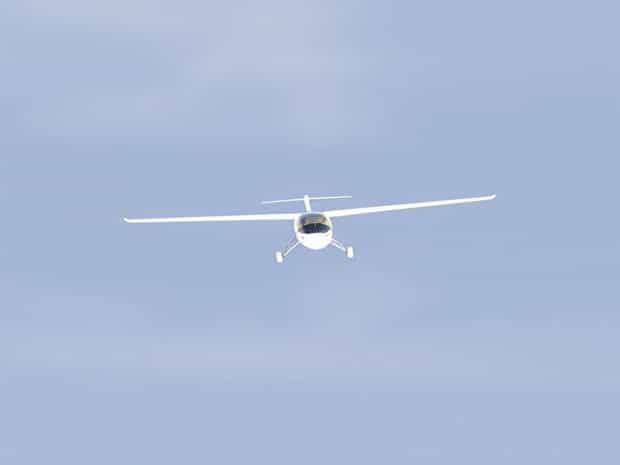
Free Flight Towline Glider
Free flight towline gliders offer enthusiasts a unique combination of skill, engineering, and the pure enjoyment of flight without the use of engines or remote controls. These lightweight, aerodynamically designed aircraft rely on external forces, such as a towline or thermal currents, to achieve lift and sustain flight. Unlike powered model aircraft, free flight towline gliders demand precise construction, careful balance, and a deep understanding of aerodynamics. They have a long history in model aviation and continue to captivate hobbyists who appreciate the challenge and elegance of silent, engine-free flight. Understanding the mechanics, history, and techniques associated with towline gliders provides insight into why these models remain popular among both beginners and seasoned aeromodelers.
History of Towline Gliders
The concept of free flight gliders dates back to the early 20th century when enthusiasts began experimenting with small, unpowered aircraft models. Towline gliders specifically emerged as a way to launch models to a significant altitude without the need for engines. By attaching a towline to the glider and manually pulling it, hobbyists could convert human effort into kinetic energy, propelling the glider into the air. This method became particularly popular because it required minimal equipment, allowed for precise control during launch, and emphasized the craftsmanship and design of the glider itself. Over time, competitions and clubs formed around towline gliders, fostering innovation in design, materials, and flight techniques.
Basic Mechanics and Design
Free flight towline gliders operate on principles of aerodynamics, weight distribution, and tension from the towline. Key components include a fuselage, wings, tailplane, and tow hook or attachment point. The design must be carefully balanced to ensure stable flight once released from the towline. Materials such as lightweight balsa wood, carbon fiber, or foam are commonly used to achieve the right strength-to-weight ratio. Wing shape and surface area play a critical role in lift generation, while the tailplane controls pitch and stability. Proper construction ensures that the glider maintains altitude, navigates air currents effectively, and achieves longer flight durations.
Launching Techniques
The launch of a towline glider is a critical moment that determines the success of the flight. The operator pulls the glider along the ground or through the air using a strong towline, gradually building tension until the glider achieves lift. Releasing the glider at the right moment allows it to soar into the air, relying on its aerodynamic properties to sustain flight. Skilled pilots adjust the release angle, speed, and tension to optimize flight trajectory. Launching techniques require practice, as improper handling can result in unstable flight or damage to the model.
Types of Towline Glider Launches
- Hand Launch – The operator manually throws the glider while pulling the towline for additional lift.
- Winch Launch – A mechanical winch reels in the towline, allowing the glider to gain altitude more quickly.
- Elastic Towline – Using a stretchable line to build kinetic energy and launch the glider effectively.
- Slope Assistance – Combining towline launch with natural slopes to gain extra height.
- Team Launch – In competitions, teams coordinate launches for maximum altitude and flight duration.
Flight Characteristics
Once released from the towline, a free flight glider relies entirely on aerodynamics and environmental factors. Wind currents, thermals, and air pressure differences influence the glider’s flight path. Pilots must consider weight distribution, wing loading, and center of gravity when designing and trimming the model. A well-trimmed glider will exhibit smooth, controlled flight and can stay aloft for extended periods. Learning to predict how environmental conditions affect flight is a critical skill for towline glider enthusiasts, as it allows for longer, more graceful flights and improved performance in competitions.
Environmental Factors Affecting Flight
- Thermals – Rising columns of warm air that help sustain or extend flight.
- Wind Direction – Headwinds or tailwinds influence flight trajectory and stability.
- Air Density – Changes due to temperature and altitude can affect lift generation.
- Obstacles – Trees, buildings, and uneven terrain can disrupt smooth flight.
- Humidity – Affects air resistance and glider handling slightly.
Competition and Community
Towline glider competitions have long been a central aspect of the hobby. Enthusiasts gather to test the performance of their gliders in terms of duration, altitude, and precision landings. Events are often categorized by glider type, weight class, and skill level, providing opportunities for both beginners and experienced pilots. Community clubs and online forums also play a significant role, allowing hobbyists to share tips, designs, and innovations. This collaborative environment has led to significant advancements in materials, wing design, and flight techniques, keeping the sport vibrant and evolving.
Popular Competition Categories
- Duration – Focused on keeping the glider aloft as long as possible.
- Altitude – Evaluates how high the glider can soar after release.
- Precision Landing – Tests accuracy in landing at designated targets.
- Scale Models – Judged on realism and adherence to design specifications.
- Team Events – Collaborative competitions where teams coordinate launches and maneuvers.
Building and Customizing Towline Gliders
Constructing a free flight towline glider is both an art and a science. Builders select materials based on strength, weight, and flexibility. Wings are often shaped using templates or computer-aided design to maximize lift and minimize drag. Builders also experiment with different tail configurations, wing dihedral angles, and fuselage designs to improve performance. Customization allows hobbyists to adapt gliders to specific conditions, whether for leisure flying in a backyard or competitive events in open fields. Attention to detail in construction directly impacts the flight quality and overall satisfaction of flying the glider.
Tips for Successful Glider Construction
- Choose lightweight, durable materials for optimal performance.
- Ensure precise balance of fuselage, wings, and tailplane.
- Experiment with wing angles and trim for stable flight.
- Use adhesives and reinforcements that do not add unnecessary weight.
- Test small prototypes before final assembly to refine design.
- Adjust towline attachment points to achieve proper launch behavior.
Free flight towline gliders combine engineering, skill, and the pure enjoyment of unpowered flight. They have a rich history in model aviation and continue to captivate hobbyists with the challenge of crafting and flying lightweight, aerodynamic models. By understanding the principles of design, launch techniques, environmental factors, and competition strategies, enthusiasts can maximize their glider’s performance. Beyond the technical aspects, towline gliding fosters a sense of community, creativity, and connection to the principles of aerodynamics. Whether flying for leisure or competition, free flight towline gliders remain a rewarding pursuit for those who appreciate the elegance and challenge of flight without engines.