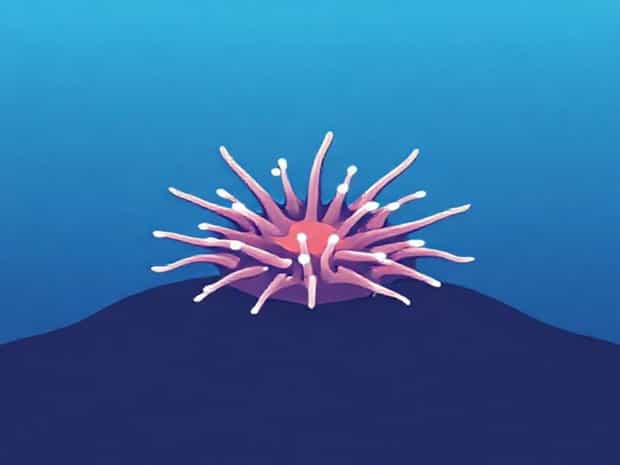
Echinoderm Facts For Kids
When children start learning about the amazing animals that live in the ocean, echinoderms are some of the most fascinating creatures to discover. With their spiny bodies, unusual shapes, and unique ways of moving and feeding, echinoderms capture the imagination of curious minds. These animals include well-known sea creatures like starfish, sea urchins, sand dollars, and sea cucumbers. Echinoderm facts for kids help explain the wonders of the ocean while making marine biology fun and easy to understand.
What Are Echinoderms?
The word echinoderm comes from Greek, meaning spiny skin. Echinoderms are a group of marine animals that live only in the ocean. They are invertebrates, which means they don’t have a backbone. Instead, their bodies are supported by a special skeleton made of plates or tiny hard pieces under the skin. These animals are known for their unique body shapes, usually with a five-part symmetry, which makes them very different from many other creatures.
Examples of Echinoderms
- Starfish (also called sea stars)
- Sea urchins
- Sand dollars
- Sea cucumbers
- Brittle stars
These examples show how diverse echinoderms can be, from round spiny urchins to soft-bodied cucumbers.
Body Structure and Symmetry
One of the coolest echinoderm facts for kids is that these animals usually have radial symmetry. This means their bodies are arranged in a circle around a central point, like slices of a pie. Most echinoderms have five arms or sections, but some can have even more.
Skeleton and Skin
Echinoderms don’t have bones like humans do. Instead, they have an internal skeleton made of calcium plates. Their skin can be covered in spines, bumps, or soft tissue, depending on the type of echinoderm.
Water Vascular System
Perhaps the most amazing part of an echinoderm’s body is its water vascular system. Instead of blood, they use seawater to move, eat, and even breathe. Tiny tube feet connected to this system help them crawl slowly across the ocean floor and grab onto food.
Where Do Echinoderms Live?
Echinoderms are found in oceans all around the world. They live at different depths, from shallow tide pools to deep ocean floors. You will never find echinoderms in rivers, lakes, or on land, because they cannot survive outside saltwater.
Habitats
- Rocky tide pools where starfish cling to stones.
- Sandy bottoms where sand dollars bury themselves.
- Coral reefs full of sea cucumbers and brittle stars.
- Deep ocean areas where special species adapt to darkness and pressure.
This wide range of habitats makes echinoderms an important part of the marine ecosystem.
How Do Echinoderms Move?
Echinoderms don’t move like fish or crabs. Instead, they use their water vascular system to power tube feet. These small, suction-like structures allow them to grip surfaces and slowly crawl along.
Starfish Movement
A starfish uses hundreds of tiny tube feet on its arms to move. The movement is slow, but strong enough to pry open the shells of clams and mussels.
Sea Urchin Movement
Sea urchins use both spines and tube feet to roll or crawl across the sea floor, keeping themselves safe and finding food.
What Do Echinoderms Eat?
Echinoderms have many different diets depending on the species. Some are predators, while others feed on tiny bits of material found in the ocean.
Feeding Habits
- StarfishEat shellfish like clams and mussels. They use their tube feet to open shells and push their stomachs outside their bodies to digest food.
- Sea UrchinsGraze on algae growing on rocks.
- Sand DollarsFilter small food ptopics from the sand.
- Sea CucumbersSuck up sand and filter out nutrients from it.
These different feeding styles help echinoderms play important roles in keeping ocean environments balanced.
Defense and Protection
Living in the ocean can be dangerous, but echinoderms have unique ways to protect themselves. Their bodies and behaviors help them survive predators.
Starfish Regeneration
If a starfish loses an arm, it can grow a new one. Some species can even regrow an entire body from just one arm, as long as part of the central disk remains.
Spines and Tough Skin
Sea urchins have sharp spines to deter predators, while sand dollars and brittle stars rely on camouflage to blend in with their surroundings.
Sea Cucumber Defense
Sea cucumbers have an unusual way of protecting themselves. When threatened, they can expel part of their insides to distract predators, later regenerating the lost organs.
Life Cycle and Reproduction
Echinoderms have fascinating life cycles that involve both sexual and asexual reproduction. Many echinoderms release eggs and sperm into the water, where fertilization takes place. The young start life as free-swimming larvae that look very different from the adults.
Metamorphosis
After drifting with ocean currents, larvae eventually settle to the bottom and transform into the adult shape. This process of metamorphosis is an important stage in the life cycle of echinoderms.
Asexual Reproduction
Some echinoderms, like starfish, can reproduce asexually through regeneration. This means they can form new individuals from broken pieces of their bodies under the right conditions.
Fun and Interesting Echinoderm Facts for Kids
Learning fun facts makes echinoderms even more exciting to study. These strange sea animals continue to surprise scientists and kids alike.
- Echinoderms don’t have brains, but they have a nerve ring that helps them respond to their environment.
- They don’t have blood; instead, they use seawater to transport oxygen and nutrients.
- Starfish can live up to 35 years in the wild.
- Sea cucumbers are eaten as food in many parts of the world.
- Despite their name, starfish are not actually fish!
Why Echinoderms Are Important
Echinoderms are more than just interesting animals; they play a big role in the ocean. By eating algae, filtering sand, or controlling populations of shellfish, they help maintain balance in marine ecosystems. They are also studied by scientists for their incredible ability to regenerate, which could help medical research in the future.
Echinoderm facts for kids reveal how amazing and unique these ocean creatures truly are. With their spiny bodies, unusual ways of moving, and fascinating survival skills, echinoderms show the incredible diversity of marine life. From starfish that regrow arms to sea cucumbers that recycle sand, each echinoderm has something special to teach us about nature. By learning more about these animals, children can appreciate the importance of protecting oceans and the creatures that call them home.