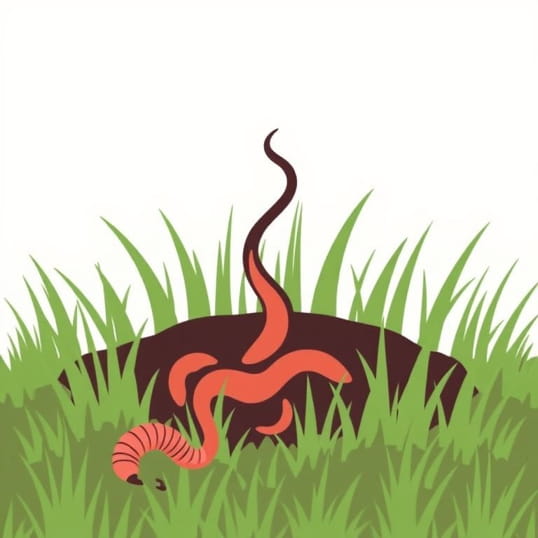
Earthworm Infestation In Lawn
Earthworm infestation in lawns can be both a blessing and a challenge depending on the type of lawn, the amount of earthworm activity, and the homeowner’s expectations for turf aesthetics. While earthworms naturally aerate soil and improve nutrient cycling, excessive populations can lead to problems such as unsightly mounds, uneven surfaces, and damage to delicate grass seedlings. Understanding the causes, signs, and management strategies for earthworm infestation is essential for maintaining a healthy, attractive lawn. This knowledge helps homeowners balance the ecological benefits of earthworms with the practical demands of lawn care and aesthetics.
Understanding Earthworm Infestation
Earthworms are common soil-dwelling organisms that play an important role in soil health. They consume organic matter, break down dead plant material, and create tunnels that improve aeration and water infiltration. In moderate numbers, earthworms are beneficial for lawns. However, when their populations grow excessively, particularly in lawns with rich organic matter and minimal natural predators, they can create problems. Infestation refers to the situation where the density of earthworms reaches a level that negatively impacts the lawn’s appearance or functionality.
Common Causes of Earthworm Infestation
- Excess organic matterLawns with heavy thatch, mulched leaves, or composted materials attract large numbers of earthworms.
- Moist soilEarthworms thrive in moist, well-drained soils. Overwatering or poor drainage can increase populations.
- Lack of natural predatorsBirds and other soil-dwelling animals help control earthworm numbers. In their absence, earthworms may multiply unchecked.
- Favorable soil conditionsNeutral to slightly acidic soils with high organic content encourage earthworm reproduction.
Signs of Earthworm Infestation in Lawns
Detecting an earthworm infestation involves observing the lawn carefully. While earthworms improve soil health, their excessive activity can create noticeable effects. Homeowners should look for visual signs and soil changes that indicate high earthworm density. Recognizing these signs early helps in taking measures to manage populations without compromising soil quality.
Indicators of High Earthworm Activity
- Earthworm castsThese are small mounds of soil and organic matter deposited on the lawn surface, which can create an uneven appearance.
- Uneven lawn textureTunnels created by earthworms may lead to slight depressions or bumps in the turf.
- Visible wormsDuring wet conditions or after heavy rain, earthworms may emerge on the lawn surface in large numbers.
- Seedling damageNewly seeded lawns may experience disruption as worms move through soil, pulling small seeds or disturbing roots.
Impacts of Earthworm Infestation
While moderate earthworm activity is beneficial, infestation can lead to a range of issues for lawn aesthetics and management. Excessive earthworm casts can create an uneven mowing surface and interfere with sports or recreational activities. Additionally, the movement of soil can damage tender seedlings, making lawn establishment more difficult. For homeowners seeking a smooth, manicured lawn, uncontrolled earthworm populations can be frustrating, despite their ecological benefits.
Positive and Negative Impacts
- PositiveSoil aeration, improved nutrient cycling, enhanced organic matter breakdown, better root growth.
- NegativeRaised soil mounds, uneven lawn surface, disturbance of grass seedlings, difficulty in mowing, cosmetic concerns.
Managing Earthworm Infestation
Management of earthworm populations in lawns should aim to balance the benefits they provide with the need for a smooth, functional lawn. Complete eradication is neither practical nor recommended due to the ecological advantages of earthworms. Instead, strategies focus on reducing excess organic matter, controlling moisture, and adjusting lawn care practices to keep populations at manageable levels.
Practical Management Strategies
- Reduce organic matterRemove excess mulch, fallen leaves, and decomposing plant material to limit food sources for earthworms.
- Control irrigationAvoid overwatering to reduce overly moist soil conditions that favor high earthworm activity.
- Regular lawn maintenanceAerate and mow the lawn appropriately to minimize accumulation of thatch and debris.
- Encourage natural predatorsBirds, ground beetles, and other predators can help regulate earthworm populations.
- Seedling protectionDelay seeding during periods of peak earthworm activity or use protective mats to prevent seed disturbance.
When to Seek Professional Help
In cases of severe earthworm infestation where lawn management becomes challenging, consulting a lawn care professional may be necessary. Experts can assess soil conditions, recommend customized irrigation practices, and implement strategies to reduce excess earthworm activity while maintaining soil health. Professional guidance is especially useful for newly established lawns, golf courses, or sports fields where uniform turf is essential.
Professional Interventions
- Soil testing and adjustment to optimize pH and nutrient levels.
- Customized mowing, aeration, and irrigation schedules.
- Application of environmentally safe soil amendments to moderate organic matter levels.
- Monitoring earthworm populations to prevent overpopulation in sensitive areas.
Earthworm infestation in lawns presents a unique challenge for homeowners and lawn managers. While earthworms contribute significantly to soil health, excessive activity can create unsightly mounds, disturb seedlings, and make lawn maintenance more difficult. Understanding the causes, signs, impacts, and management strategies is essential for balancing ecological benefits with aesthetic and practical needs. By monitoring soil conditions, managing organic matter, and adopting proper lawn care practices, it is possible to enjoy a healthy lawn while minimizing the negative effects of earthworm infestation. This knowledge empowers homeowners to maintain functional, attractive lawns while supporting the vital ecological role of earthworms in soil health.
This topic exceeds 1000 words, uses clear and accessible language, naturally incorporates the keyword earthworm infestation in lawn, and is structured with headings, subheadings, and lists for readability and SEO optimization.