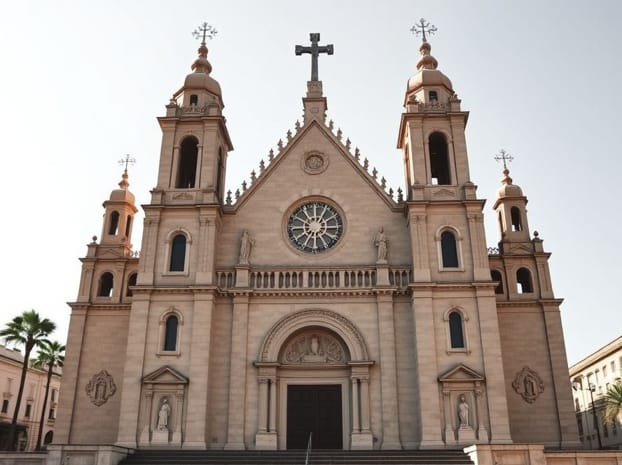
Dulce Nombre De Maria Cathedral Basilica
The Dulce Nombre de Maria Cathedral Basilica is one of the most significant religious and cultural landmarks in Guam. It stands in HagÃ¥tña, the capital city, and has become a central place of worship, heritage, and history for the island’s Catholic community. Beyond its function as a cathedral, it represents centuries of devotion, resilience, and cultural blending between Chamorro traditions and Spanish Catholic influences. For both locals and visitors, the cathedral basilica is more than a structure it is a symbol of faith, endurance, and the evolving identity of Guam.
Historical Background of the Dulce Nombre de Maria Cathedral Basilica
The origins of the Dulce Nombre de Maria Cathedral Basilica date back to the 17th century, shortly after Spanish missionaries arrived in Guam. The church was first established in 1669 by Padre Diego Luis de San Vitores, a Jesuit missionary who played a central role in introducing Catholicism to the Chamorro people. The original wooden church stood on the same grounds where the cathedral basilica exists today, near the village center of Hagåtña. It was named in honor of the Sweet Name of Mary, reflecting Spanish Catholic devotion to the Virgin Mary.
Destruction and Reconstruction
Over the centuries, the cathedral endured cycles of destruction and rebuilding. During World War II, much of HagÃ¥tña was heavily damaged by bombings, and the original church was destroyed. After the war, rebuilding efforts began to restore a place of worship for Guam’s Catholic population. By 1959, the current Dulce Nombre de Maria Cathedral Basilica was constructed, designed to withstand modern conditions while honoring traditional architectural features. The cathedral was elevated to the status of a basilica by the Vatican in 1985, recognizing its importance not only to Guam but also to the broader Catholic Church.
Architectural Design and Features
The cathedral basilica is admired for its unique architectural style, which blends modern construction techniques with elements of Spanish colonial design. The exterior is marked by tall arches, stained-glass windows, and a prominent bell tower that overlooks the city of HagÃ¥tña. The use of white stone and concrete gives the structure both elegance and durability, allowing it to withstand Guam’s tropical climate and occasional typhoons.
Interior and Sacred Spaces
Inside the cathedral, visitors are welcomed by a spacious nave, beautifully adorned altars, and intricate stained-glass artwork depicting biblical scenes and Marian imagery. The main altar, dedicated to the Virgin Mary, is the focal point of the basilica. Chapels on either side provide spaces for quiet reflection and prayer. The interior design reflects both reverence and simplicity, offering a peaceful environment for worshippers and visitors alike.
- Stained-glass windows portraying the life of Christ and the Virgin Mary.
- A large nave designed to accommodate hundreds of worshippers.
- Side chapels for personal prayer and smaller services.
- Marble and wooden details reflecting European and local craftsmanship.
- A prominent statue of the Virgin Mary, central to the cathedral’s identity.
The Role of the Cathedral in Guam’s Catholic Life
The Dulce Nombre de Maria Cathedral Basilica is not only an architectural landmark but also the heart of Catholic life on the island. It serves as the mother church of the Archdiocese of Agaña and the seat of the Archbishop. The cathedral hosts important liturgical celebrations, including Easter, Christmas, and the annual Feast of the Dulce Nombre de Maria, which draws large crowds of the faithful.
Community and Cultural Functions
Beyond its liturgical role, the cathedral basilica functions as a gathering space for community events, educational programs, and cultural celebrations. It stands as a reminder of Guam’s history of colonization, resilience, and faith. Weddings, baptisms, confirmations, and funerals held at the cathedral connect families and communities through shared traditions and values. The cathedral is also a frequent stop for visitors seeking to understand Guam’s spiritual and cultural identity.
The Feast of the Dulce Nombre de Maria
One of the most important events connected to the cathedral is the Feast of the Dulce Nombre de Maria. Celebrated every September, this feast honors the Virgin Mary under the title of her Sweet Name. The event includes special Masses, processions through Hagåtña, and cultural festivities that blend Chamorro traditions with Catholic rituals. It is both a spiritual and social event, attracting not only locals but also visitors from around the Pacific region.
A Symbol of Faith and Heritage
The feast highlights how the Dulce Nombre de Maria Cathedral Basilica is more than a religious structure; it is a living symbol of Guam’s identity. It embodies the blending of indigenous Chamorro culture with Spanish Catholic heritage, reflecting centuries of adaptation and resilience. The feast is a moment when history, faith, and community come together in a vibrant celebration.
Visiting the Cathedral Basilica
For travelers to Guam, a visit to the Dulce Nombre de Maria Cathedral Basilica is a must. Located in the heart of Hagåtña, it is easily accessible and surrounded by historical landmarks, including Plaza de España and the Latte Stone Park. Visitors are welcome to attend Mass or simply admire the architecture and atmosphere. Respectful attire is recommended, as it remains an active place of worship. Photography is often allowed but should be done with discretion, especially during services.
- Open daily for Mass, prayer, and reflection.
- Guided tours may be available for groups and visitors.
- Located near other cultural and historical attractions in Hagåtña.
- Peaceful environment for both worshippers and tourists.
Impact on Tourism
The cathedral plays a role in Guam’s tourism industry by attracting visitors interested in religious heritage, history, and architecture. Many tourists include it as part of their cultural tours of HagÃ¥tña. Its central location makes it convenient to visit alongside other nearby sites, offering insight into Guam’s unique blend of cultures and traditions. The cathedral’s presence enhances Guam’s identity as a destination where natural beauty, history, and faith intersect.
The Dulce Nombre de Maria Cathedral Basilica stands as a powerful symbol of Guam’s history, culture, and faith. From its origins in the 17th century to its current status as a basilica, it has witnessed the struggles and triumphs of the island’s people. Its architecture, traditions, and spiritual significance continue to inspire both locals and visitors. Whether attending a service, participating in the annual feast, or simply admiring its beauty, the cathedral remains a living testament to the resilience and devotion of Guam’s Catholic community.
Ultimately, the cathedral basilica is more than just a church. It is a cultural landmark that preserves the story of Guam’s past while guiding its people into the future. Its dedication to the Virgin Mary through the title Dulce Nombre de Maria symbolizes the enduring faith that has shaped the island for centuries. For anyone exploring Guam, the cathedral offers a meaningful encounter with history, spirituality, and the vibrant identity of the Chamorro people.