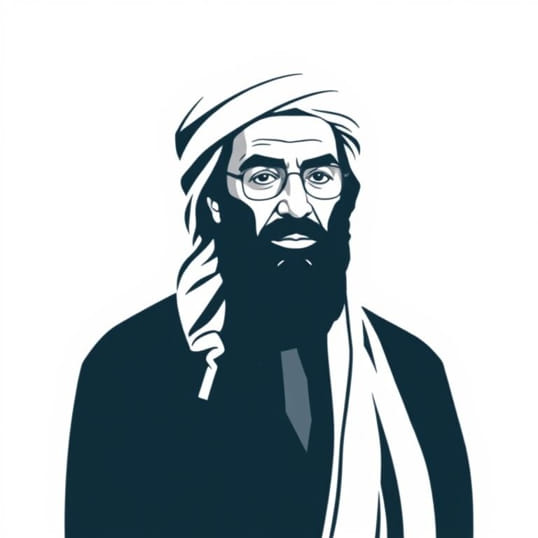
Donald Rumsfeld Osama Bin Laden
The connection between Donald Rumsfeld and Osama bin Laden is rooted in decades of American foreign policy, intelligence operations, and military strategy. As a prominent political figure, Rumsfeld served twice as the United States Secretary of Defense, first under President Gerald Ford in the 1970s and later under President George W. Bush from 2001 to 2006. During his second tenure, he played a key role in shaping the U.S. response to the September 11 attacks and the pursuit of Osama bin Laden, the founder of al-Qaeda and mastermind behind the attacks. Understanding Rumsfeld’s policies, decisions, and public statements provides insight into how the U.S. government approached the complex challenge of counterterrorism during a pivotal era in global history.
Donald Rumsfeld’s Early Career and Military Policy
Donald Rumsfeld had a long and influential career in American politics before facing the post-9/11 challenges. As Secretary of Defense under President Ford, he focused on military efficiency and budget management, earning a reputation for his interest in modernizing the armed forces. His experiences during the Cold War and his familiarity with military strategy influenced his approach to global threats, including terrorism. By the time he returned as Secretary of Defense under President George W. Bush, Rumsfeld had decades of policy experience, positioning him as a central figure in discussions regarding national security, intelligence operations, and the strategic response to emerging threats like al-Qaeda.
Rumsfeld and the September 11 Attacks
On September 11, 2001, al-Qaeda carried out coordinated terrorist attacks against the United States, killing nearly 3,000 people and causing unprecedented damage. Osama bin Laden quickly became the face of global terrorism and the primary target of the U.S. government. Donald Rumsfeld, as Secretary of Defense, was responsible for overseeing the military response, coordinating with intelligence agencies, and planning the initial operations in Afghanistan, where bin Laden was believed to be hiding. Rumsfeld’s approach emphasized rapid deployment of forces and the use of special operations units, reflecting his longstanding preference for innovative military strategies and technological superiority.
The Hunt for Osama bin Laden
The pursuit of Osama bin Laden involved complex intelligence-gathering, international cooperation, and military planning. Rumsfeld advocated for aggressive action against al-Qaeda, supporting the U.S. invasion of Afghanistan in October 2001, which aimed to dismantle Taliban control and capture key al-Qaeda leaders. The decision to deploy U.S. forces into Afghanistan marked a significant moment in American military history and reflected Rumsfeld’s belief in swift, decisive action. Despite the initial success of removing the Taliban from power, bin Laden remained elusive for nearly a decade, demonstrating the challenges inherent in counterterrorism operations.
Military Strategy and Controversy
Rumsfeld’s handling of the war in Afghanistan and the broader War on Terror sparked both support and criticism. He championed the use of advanced technology, small, agile units, and precision strikes, often clashing with traditional military leaders who favored larger, conventional deployments. Critics argued that his approach sometimes underestimated logistical challenges and the complexity of nation-building. Regarding Osama bin Laden, Rumsfeld emphasized the importance of capturing or neutralizing high-value targets while also addressing the broader al-Qaeda network. His strategic decisions shaped the early years of the conflict and set the stage for ongoing debates about the effectiveness of U.S. military operations in counterterrorism.
Public Statements and Media Coverage
Throughout his tenure, Rumsfeld made numerous public statements about Osama bin Laden, al-Qaeda, and the War on Terror. He frequently highlighted the intelligence and military efforts to locate bin Laden while maintaining a focus on national security priorities. Media coverage often scrutinized his comments, debating the speed, strategy, and transparency of U.S. operations. Rumsfeld’s emphasis on modernizing military tactics and leveraging technology was seen as both innovative and controversial, reflecting the tension between traditional military thinking and adaptive strategies needed to combat non-state actors like bin Laden.
Criticism and Defense of Rumsfeld’s Policies
- SupportersAdvocated that Rumsfeld’s strategies were necessary for rapid response and minimizing U.S. casualties, emphasizing the complexity of tracking bin Laden across international borders.
- CriticsClaimed his approach lacked sufficient ground forces and underestimated the challenges of stabilizing Afghanistan, prolonging the conflict and complicating efforts to capture bin Laden.
- LegacyRumsfeld’s tenure continues to influence debates over military strategy, counterterrorism policies, and the role of intelligence in identifying and capturing high-profile terrorists.
Bin Laden’s Continued Evasion
Despite significant U.S. military presence and intelligence efforts, Osama bin Laden remained at large for nearly ten years after the initial invasion of Afghanistan. Rumsfeld’s strategies were part of a broader set of operations involving the CIA, Special Forces, and allied intelligence agencies. Bin Laden’s ability to evade capture highlighted the limitations of conventional military power in confronting clandestine terrorist networks. Rumsfeld often addressed these challenges publicly, acknowledging the difficulties while emphasizing the commitment of U.S. forces to protect national security and bring key terrorist leaders to justice.
The Aftermath of Rumsfeld’s Decisions
Rumsfeld resigned as Secretary of Defense in 2006, leaving behind a complex legacy tied to both the Iraq and Afghanistan conflicts. The eventual operation that killed Osama bin Laden in 2011 occurred under the Obama administration, but the groundwork laid by earlier military planning, including Rumsfeld’s policies, influenced the broader approach to counterterrorism. Analysts continue to study Rumsfeld’s decisions regarding troop deployment, intelligence coordination, and special operations to understand their long-term impact on U.S. military strategy and the pursuit of high-value targets like bin Laden.
Lessons from Rumsfeld and Bin Laden
The relationship between Donald Rumsfeld’s policies and the hunt for Osama bin Laden illustrates the challenges of modern warfare against non-traditional adversaries. Key lessons include the importance of intelligence sharing, flexibility in military tactics, and understanding the global networks that sustain terrorist organizations. Rumsfeld’s tenure highlighted the need for rapid adaptation to evolving threats while also revealing the difficulties of balancing military innovation with logistical and political realities. The pursuit of bin Laden became a case study in counterterrorism strategy, national security decision-making, and the interplay between politics and military operations.
Public Perception and Historical Impact
The American public’s perception of Rumsfeld and the hunt for Osama bin Laden was shaped by media coverage, official statements, and the ongoing threat of terrorism. While some viewed him as a decisive leader committed to national security, others criticized the protracted nature of the conflicts and the human and financial costs involved. The historical impact of this period continues to influence policy debates, military planning, and counterterrorism efforts worldwide, underscoring the enduring relevance of Rumsfeld’s decisions in the context of U.S. engagement with global terrorism.
Donald Rumsfeld’s role in the pursuit of Osama bin Laden is a critical aspect of early 21st-century American military and political history. His strategies, public statements, and policy decisions shaped the U.S. response to the September 11 attacks and influenced the broader War on Terror. While bin Laden remained at large for years, Rumsfeld’s emphasis on technology, special operations, and rapid deployment set the framework for subsequent counterterrorism successes. The complex interplay between Rumsfeld’s policies and the challenges of capturing a high-profile terrorist demonstrates the difficulties inherent in modern warfare and intelligence operations.
Understanding the connection between Donald Rumsfeld and Osama bin Laden provides insight into U.S. military strategy, counterterrorism policy, and the ongoing global efforts to address terrorism. It also highlights the critical role of leadership, planning, and adaptability in confronting complex threats. By analyzing this historical relationship, policymakers, military leaders, and the public can gain a deeper understanding of both the challenges and strategies involved in pursuing national and international security objectives in an increasingly interconnected world.