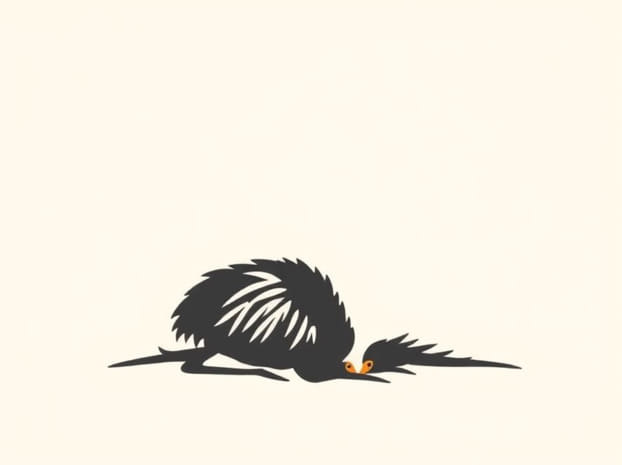
Do Ostriches Bury Their Heads
Ostriches are fascinating creatures known for their impressive size, speed, and unique behaviors. One of the most persistent myths about ostriches is the belief that they bury their heads in the sand when faced with danger. This widespread idea has been depicted in popular culture, cartoons, and even educational materials, leading many to assume that it reflects a real behavioral pattern. In reality, ostriches do not bury their heads in the sand to escape predators. Understanding the origins of this myth, the actual behaviors of ostriches, and the biology behind their survival strategies provides a clearer picture of these remarkable birds and debunks common misconceptions.
The Origins of the Myth
The notion that ostriches bury their heads in the sand can be traced back to early observations of their natural behaviors, which were misunderstood by humans. Historical writings and anecdotes described ostriches lowering their heads toward the ground, which was often interpreted as the bird hiding its head in fear. Artists and writers exaggerated these observations, and the idea became entrenched in literature, folklore, and popular imagination. Over time, the myth evolved into the symbolic notion of avoidance or denial, representing someone who refuses to face reality.
Misinterpretations of Natural Behavior
- Ostriches dig shallow holes in the ground for nesting purposes.
- The act of lowering the head to turn eggs or feed can resemble burying from a distance.
- Observing ostriches from afar, their head movements might appear cautious or hidden.
These behaviors were misinterpreted as an attempt to hide from predators, when in fact, they are essential survival strategies related to reproduction and vigilance.
Actual Behavior of Ostriches
Ostriches are large, flightless birds native to Africa, capable of running at speeds up to 70 kilometers per hour to escape danger. Instead of burying their heads, ostriches rely on their exceptional vision and speed for survival. They are highly alert, with large eyes that allow them to detect predators from long distances. When threatened, ostriches either run away or use defensive behaviors, such as kicking with powerful legs, to protect themselves. Burying their heads would be counterproductive and highly dangerous, as it would make them vulnerable to predators.
Feeding and Nesting Behavior
One reason ostriches are often seen lowering their heads is feeding. They eat plants, seeds, and insects from the ground, which requires them to bend down. Similarly, during nesting, female ostriches dig shallow depressions in the sand to lay their eggs. They frequently turn and rearrange the eggs to ensure proper temperature and incubation. From a distance, these movements of lowering the head could be mistaken for hiding, which likely contributed to the myth.
Defensive Strategies
- Running at high speeds to evade predators.
- Using strong legs to deliver powerful kicks when threatened.
- Camouflaging eggs by covering them partially with sand or dirt, but not their heads.
- Staying in groups to increase vigilance and reduce individual risk.
These behaviors highlight that ostriches face danger actively and strategically rather than passively hiding their heads. The myth of head-burying undermines their intelligence and adaptability as a species.
Why the Myth Persists
Despite being debunked by ornithologists and wildlife experts, the idea that ostriches bury their heads in the sand continues to persist. This persistence is largely cultural, reinforced through media, language, and symbolism. Expressions like burying your head in the sand have become common metaphors for avoidance, further cementing the belief in the public imagination. Even though scientific evidence shows ostriches do not engage in this behavior, the myth remains a popular and enduring part of folklore.
Media and Popular Culture
- Cartoons and movies depicting ostriches with heads in the sand.
- Books and educational illustrations that perpetuate the image inaccurately.
- Idiomatic expressions in language that associate ostriches with avoidance behavior.
These representations, although entertaining or symbolic, contribute to widespread misunderstandings about ostrich behavior and biology.
Scientific Perspective
From a scientific standpoint, ostriches are remarkable examples of evolutionary adaptation. Their survival strategies are based on keen eyesight, social vigilance, and physical prowess. Studies and observations by ornithologists have consistently confirmed that ostriches do not hide by burying their heads. Instead, their actions of bending or lowering their heads serve practical purposes, such as feeding, egg care, and nest camouflage. Understanding these facts not only corrects the myth but also enhances appreciation for the intelligence and adaptability of ostriches in the wild.
Key Facts About Ostrich Behavior
- Ostriches can spot predators from distances of up to several hundred meters due to their large eyes.
- They rely on group vigilance, often taking turns acting as sentries while others feed or tend nests.
- Powerful legs allow them to defend against predators with strong, precise kicks capable of lethal force.
- Ostrich nests are dug into shallow sand pits, not to hide the birds themselves but to protect eggs.
ostriches do not bury their heads in the sand. The myth likely originated from early misinterpretations of feeding and nesting behavior, which were exaggerated in folklore and popular culture. In reality, ostriches employ effective survival strategies, including keen vision, rapid running, powerful kicking, and social vigilance. Lowering their heads is associated with practical behaviors like feeding or caring for eggs, not avoidance or fear. Understanding the true behavior of ostriches provides a more accurate perspective on these fascinating birds and corrects a long-standing misconception. By separating fact from myth, we can better appreciate the intelligence, adaptability, and resilience of ostriches in their natural habitats, while also recognizing how cultural narratives can distort perceptions of animal behavior.