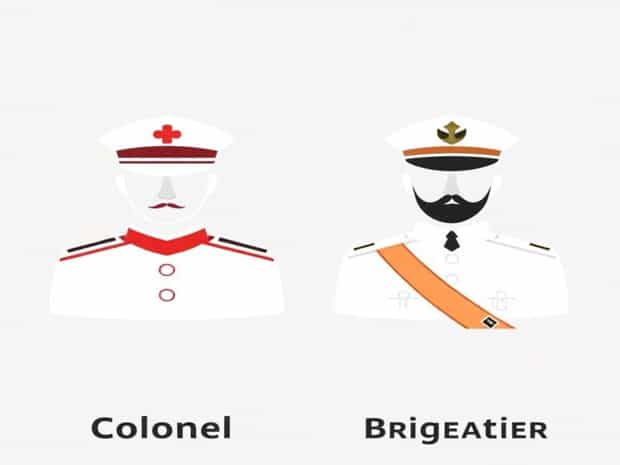
Difference Between Colonel And Brigadier
The military hierarchy is a structured system designed to organize personnel, establish command, and maintain order. Among the various ranks, colonel and brigadier are two significant positions that often create confusion for those unfamiliar with military terminology. While both ranks are considered senior and involve leadership responsibilities, they differ in authority, responsibilities, and the scope of command. Understanding these differences is important not only for military enthusiasts but also for anyone interested in military history, organizational structure, or defense studies. In this topic, we will explore the key distinctions between a colonel and a brigadier, examining their roles, insignia, and place within the army hierarchy.
Definition and Overview of a Colonel
A colonel is a senior field officer rank in the army, typically positioned above a lieutenant colonel and below a brigadier. Colonels are usually responsible for commanding a regiment or a brigade-sized unit, depending on the structure of the military organization. They serve as key advisors to higher-ranking officers and play a crucial role in planning and executing tactical operations. The rank of colonel has a long history and is recognized internationally, with minor variations in duties and responsibilities among different countries.
Roles and Responsibilities of a Colonel
- Commanding a regiment or battalion-sized unit, which may consist of 1,000 to 5,000 soldiers.
- Overseeing training, discipline, and operational readiness of their unit.
- Assisting higher-ranking officers in strategic planning and operational decisions.
- Managing administrative duties, including personnel assignments and logistics support.
- Representing the unit during formal events, military ceremonies, and inspections.
Insignia and Identification
The insignia of a colonel typically includes specific symbols like silver eagles, stars, or national emblems depending on the country. Recognizing these insignia is important for distinguishing between ranks in formal settings and on the battlefield. The visual symbols of rank allow soldiers and officers to understand authority and maintain proper military decorum.
Definition and Overview of a Brigadier
A brigadier, sometimes called a brigadier general in some countries, is a senior rank above colonel and below major general. Brigadiers are often tasked with commanding a brigade, which generally consists of several battalions and can include up to 10,000 soldiers. The role of a brigadier requires both tactical and strategic leadership, bridging the gap between field officers and general officers. Unlike colonels, brigadiers typically have broader responsibilities and more involvement in strategic planning at higher levels.
Roles and Responsibilities of a Brigadier
- Commanding a brigade, which is larger than a regiment and may include multiple battalions.
- Developing and implementing operational plans for larger military campaigns.
- Coordinating with higher command and other brigades for combined operations.
- Providing leadership and guidance to subordinate officers, including colonels.
- Participating in strategic discussions with generals to shape military policy and deployment.
Insignia and Identification
The insignia of a brigadier often features stars, crossed swords, or national emblems, distinguishing them from colonels. This rank insignia signals greater authority and responsibility, indicating that the officer has command over multiple regiments or battalions. Visual recognition of rank ensures clarity in both administrative and operational contexts.
Key Differences Between Colonel and Brigadier
While colonels and brigadiers are both senior officers, their differences are notable in several areas, including command size, level of responsibility, and position within the military hierarchy.
Command Scope
- Colonel Typically commands a regiment or battalion-sized unit, usually numbering 1,000 to 5,000 soldiers.
- Brigadier Commands a brigade, which is larger and can consist of up to 10,000 soldiers or more.
Responsibility Level
- Colonel Focuses on tactical leadership, ensuring the unit is trained, disciplined, and mission-ready.
- Brigadier Involved in both tactical and strategic planning, coordinating multiple units and liaising with higher command.
Hierarchy Position
- Colonel Falls below brigadier, serving as a key link between lower-ranked officers and senior command.
- Brigadier Ranks above colonel, often acting as the first level of general officer ranks and bridging the gap to major generals.
Career Progression
For officers, the promotion from colonel to brigadier represents a significant step in career development. Colonels are seasoned field officers with substantial leadership experience, while brigadiers are recognized for their ability to manage larger formations and take on strategic responsibilities. The transition also involves more involvement in planning large-scale operations and interaction with national or international military leadership.
Understanding the difference between a colonel and a brigadier is essential for anyone interested in military structure and hierarchy. Colonels serve as experienced tactical leaders, commanding regiments and ensuring operational readiness, while brigadiers operate at a higher level, leading brigades and participating in strategic decision-making. The distinction between these ranks is reflected not only in the size of the units they command but also in the scope of their responsibilities and their position within the chain of command. Recognizing these differences enhances appreciation for military organization, leadership, and the complex structure that allows armed forces to function effectively. Whether in historical studies, military analysis, or general knowledge, knowing the roles of colonels and brigadiers provides valuable insight into the workings of modern armies.