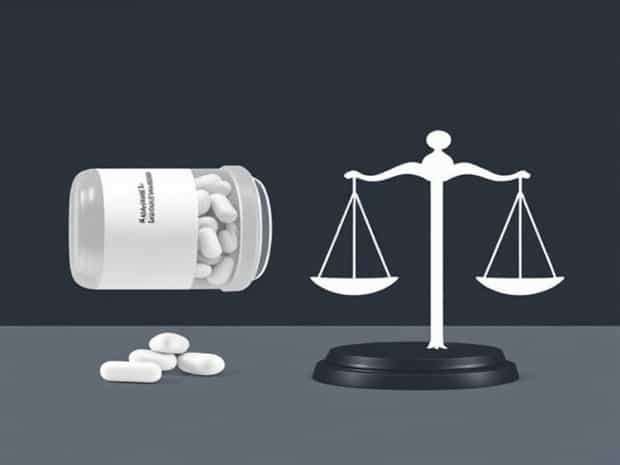
Define Spurious Drug In Pharmaceutical Jurisprudence
In the realm of pharmaceutical jurisprudence, understanding the concept of a spurious drug is crucial for legal, medical, and regulatory professionals. A spurious drug is not just a defective or substandard product; it refers to a medication that is deliberately mislabeled, counterfeit, or fraudulently presented as a genuine pharmaceutical substance. The implications of spurious drugs are far-reaching, affecting public health, patient safety, and the integrity of the healthcare system. Exploring the definition, characteristics, legal framework, and consequences of spurious drugs provides a comprehensive understanding of their role in pharmaceutical law and the measures taken to prevent their circulation.
Definition of Spurious Drug
In pharmaceutical jurisprudence, a spurious drug is defined as any drug that is falsely represented in terms of its origin, composition, or identity. This may include drugs that are manufactured with no active ingredients, contain harmful substances, or are deliberately misbranded to appear as authorized medicines. Spurious drugs are considered illegal and are subject to stringent regulations under national and international pharmaceutical laws. Their production and distribution constitute a serious offense due to the potential risk to human life and public health.
Key Elements of a Spurious Drug
- False RepresentationThe drug is presented as being genuine, but it does not conform to the declared identity, composition, or source.
- Intentional MisbrandingUnlike errors in labeling, spurious drugs are deliberately misrepresented to deceive consumers or authorities.
- Potential HarmSpurious drugs may contain toxic substances, incorrect dosages, or no active ingredients, leading to health risks.
- Violation of LawThe manufacture, sale, or distribution of spurious drugs is illegal under pharmaceutical laws and is punishable with severe penalties.
Legal Framework Governing Spurious Drugs
Pharmaceutical jurisprudence provides the legal foundation for regulating drugs, ensuring their safety, efficacy, and quality. Spurious drugs are addressed under various sections of drug laws, such as the Drugs and Cosmetics Act in India and similar regulatory frameworks worldwide. These laws define spurious drugs, prescribe penalties, and establish procedures for enforcement and prosecution.
Provisions Under Pharmaceutical Law
- Definition ClauseLaws typically include precise definitions of spurious drugs, distinguishing them from adulterated or misbranded drugs.
- PenaltiesLegal provisions may include imprisonment, fines, and cancellation of licenses for manufacturers, distributors, or sellers involved in spurious drugs.
- Regulatory AuthorityGovernment bodies such as the Food and Drug Administration (FDA) or national drug regulatory authorities are empowered to investigate and take action against spurious drugs.
- Preventive MeasuresRegulations may mandate record-keeping, labeling standards, and testing to prevent the manufacture and distribution of spurious drugs.
Types and Examples of Spurious Drugs
Spurious drugs can manifest in several forms, depending on the nature of deception or adulteration involved. Understanding these types helps in identifying, preventing, and regulating such drugs effectively.
Common Types of Spurious Drugs
- Counterfeit DrugsMedications that replicate genuine products in appearance but do not contain the correct active ingredients.
- Substandard DrugsDrugs that are deliberately formulated with insufficient or incorrect amounts of active ingredients.
- Adulterated DrugsMedications intentionally mixed with harmful substances or impurities to deceive consumers.
- Misbranded DrugsDrugs with false labeling regarding manufacturer, composition, or therapeutic claims.
Impact on Public Health
The circulation of spurious drugs poses serious risks to public health. Patients may not receive the intended therapeutic effect, leading to worsening conditions or treatment failure. In some cases, spurious drugs can cause severe side effects, allergic reactions, or poisoning. The lack of efficacy and potential harm not only endangers individual patients but also undermines public confidence in healthcare systems. Controlling spurious drugs is thus critical to maintaining both safety and trust in medical treatments.
Economic and Social Consequences
- Healthcare CostsTreatment failures and adverse effects increase medical expenses and resource utilization.
- Loss of TrustPatients may lose confidence in medical practitioners and pharmaceutical companies.
- Legal and Regulatory BurdenAuthorities must allocate significant resources to investigate and prosecute cases involving spurious drugs.
- Market DisruptionGenuine manufacturers face unfair competition from illegal products, affecting economic stability in the pharmaceutical sector.
Detection and Prevention
Preventing the manufacture and distribution of spurious drugs requires coordinated efforts from regulatory authorities, pharmaceutical companies, healthcare professionals, and the public. Modern techniques include laboratory testing, serialization, barcoding, and digital tracking systems. Public awareness campaigns also play a crucial role in educating consumers about the risks and signs of spurious drugs.
Strategies for Control
- Regulatory SurveillanceFrequent inspections of manufacturing units and supply chains.
- Quality ControlStrict testing of raw materials, in-process samples, and finished products.
- Legal EnforcementSwift prosecution of offenders and imposition of deterrent penalties.
- Consumer AwarenessInforming the public about authentic packaging, authorized sellers, and proper reporting mechanisms.
In pharmaceutical jurisprudence, a spurious drug is more than just a mislabeled or defective product it is a deliberate act of deception with significant legal, health, and social implications. By understanding its definition, characteristics, and the legal framework governing it, stakeholders can take informed steps to prevent, detect, and respond to such threats. The fight against spurious drugs is essential for protecting public health, maintaining trust in the healthcare system, and ensuring that medicines deliver their intended therapeutic benefits. Legal enforcement, robust regulation, and public awareness together form the cornerstone of combating the dangers posed by spurious drugs.