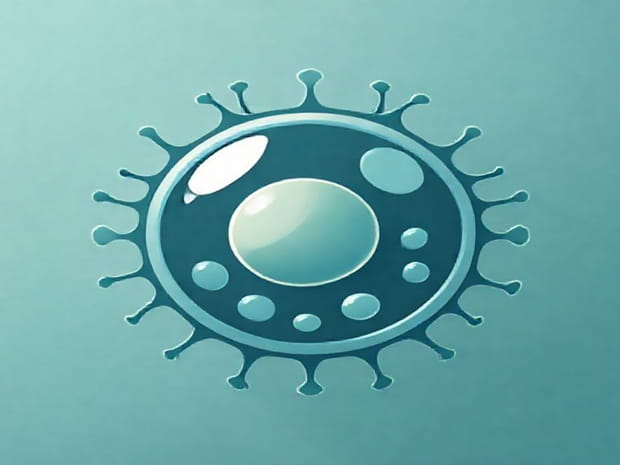
Cell Organelle That Provides Turgidity And Storage
Plant cells and certain protists rely on specialized structures to maintain shape, store nutrients, and regulate internal pressure. Among these structures, the vacuole stands out as the primary cell organelle responsible for providing turgidity and storage. Understanding its functions and significance is crucial for grasping how plant cells maintain rigidity, survive environmental stress, and manage essential biochemical processes. The vacuole’s ability to store water, ions, and other substances not only supports cellular structure but also contributes to metabolic efficiency, waste management, and overall plant health.
Structure of the Vacuole
The vacuole is a membrane-bound organelle commonly found in plant cells, fungi, and some protists. It is surrounded by a single membrane called the tonoplast, which regulates the movement of ions, nutrients, and water into and out of the vacuole. Typically, plant cells contain one large central vacuole that occupies a significant portion of the cell’s interior, although smaller vacuoles may also exist. Its size and volume make it a key determinant of the cell’s overall shape and rigidity.
Components Contained in the Vacuole
The vacuole contains a mixture of water, ions, sugars, amino acids, and secondary metabolites. Some vacuoles also contain enzymes that help break down macromolecules and recycle cellular components. Key contents include
- Water Contributes to turgor pressure, keeping the cell firm.
- Ions Such as potassium and chloride, which regulate osmotic balance.
- Organic compounds Including sugars and amino acids used for storage and metabolism.
- Waste products Sequestered to prevent cellular toxicity.
Function Providing Turgidity
Turgidity is the state of being swollen or firm, which is essential for maintaining the structural integrity of plant tissues. The vacuole plays a central role in this process by regulating water pressure within the cell. When the vacuole fills with water, it pushes the cytoplasm against the cell wall, generating turgor pressure. This pressure not only maintains the upright structure of plants but also supports growth and elongation of plant cells. Without adequate turgor, plants wilt and lose the ability to maintain their shape and proper function.
Osmotic Regulation
The vacuole’s role in turgidity is closely linked to osmotic regulation. By actively transporting ions into the vacuole, the cell creates a concentration gradient that draws water in through osmosis. This movement of water helps maintain internal pressure, supports nutrient transport, and aids in detoxifying the cytoplasm by isolating harmful substances. Diagrams of plant cells often highlight the vacuole as a central feature, emphasizing its importance in structural support and homeostasis.
Function Storage of Nutrients and Other Compounds
Besides providing turgidity, the vacuole serves as a major storage organelle. It acts as a repository for essential nutrients, including sugars, amino acids, and ions, which the plant can mobilize during periods of scarcity. Vacuoles also store secondary metabolites like alkaloids and phenolic compounds, which can protect plants from herbivores, pathogens, and environmental stress.
Waste Management
The vacuole also helps in cellular waste management by sequestering metabolic byproducts, toxins, and pigments that might otherwise interfere with cellular processes. For instance, some vacuoles store anthocyanins, pigments that provide coloration to flowers and fruits. By compartmentalizing these compounds, the vacuole protects the rest of the cell from potential damage and contributes to overall plant health.
Role in Plant Growth and Development
Vacuoles are not only critical for maintaining structural integrity but also play a vital role in plant growth and development. As cells expand, the vacuole enlarges, allowing the cell to increase in size without a proportional increase in cytoplasm. This expansion is energy-efficient and enables rapid growth in young plant tissues. Additionally, vacuoles can release stored nutrients and hormones that influence cell differentiation and tissue development.
Interaction with Other Organelles
The vacuole interacts with other organelles such as the endoplasmic reticulum, Golgi apparatus, and mitochondria. These interactions facilitate the transport of proteins, lipids, and enzymes into the vacuole for storage or degradation. By coordinating with other organelles, the vacuole contributes to intracellular organization, metabolic balance, and adaptation to environmental changes.
Adaptations and Variations
While the central vacuole is most prominent in plant cells, variations exist among different species and cell types. Some specialized vacuoles store defensive compounds, pigments, or water for survival in extreme environments. For example, desert plants may have larger vacuoles to retain water and sustain turgor during prolonged drought. In aquatic plants, vacuoles help regulate buoyancy and facilitate nutrient storage in submerged tissues.
Significance in Cellular Homeostasis
The vacuole is a key player in maintaining cellular homeostasis. By controlling water balance, ion concentration, and storage of essential molecules, it ensures that plant cells can adapt to fluctuating environmental conditions. Its functions in detoxification, storage, and structural support make it indispensable for plant survival and productivity.
The vacuole is a multifunctional organelle that provides both turgidity and storage in plant cells. Its ability to regulate water pressure ensures that plant cells remain firm and maintain their structural integrity. Simultaneously, it stores nutrients, waste products, and secondary metabolites, supporting cellular metabolism, defense, and growth. By interacting with other organelles and adapting to environmental conditions, the vacuole plays a central role in maintaining plant health and homeostasis. Understanding the structure and function of the vacuole offers valuable insight into how plant cells sustain themselves, adapt to stress, and contribute to the broader ecosystem.