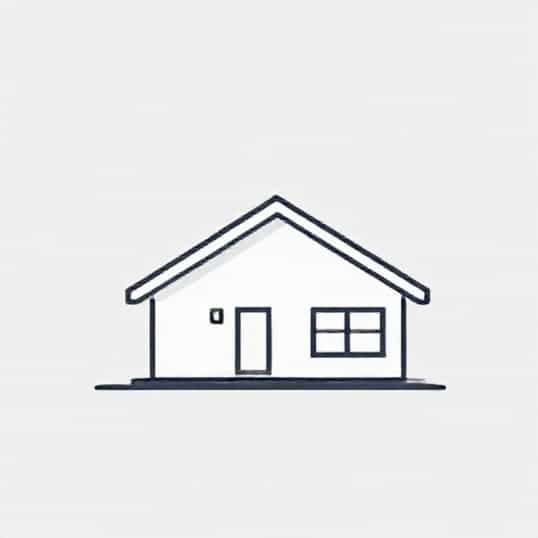
Lean To Lean Roof
A lean-to-lean roof is a practical and versatile roofing solution commonly used in residential and commercial construction. It consists of two or more lean-to roof structures joined together, often sharing walls or overlapping at different angles, creating an efficient and visually interesting design. This type of roof is appreciated for its simplicity, cost-effectiveness, and adaptability, making it suitable for extensions, sheds, garages, and modern home designs. The lean-to-lean roof provides excellent drainage, natural light possibilities, and additional headroom, while also allowing for easy integration with existing buildings. Its functional and aesthetic advantages make it a popular choice among architects, builders, and homeowners looking for a stylish yet practical roofing solution.
Understanding the Lean-to-Lean Roof Structure
The lean-to-lean roof is essentially a combination of multiple single-pitch roofs, each sloping in one direction. By joining two or more of these roofs, designers can create a structure that maximizes space utilization while ensuring effective water runoff. The design often involves a higher roof intersecting with a lower one, which can provide shelter for outdoor spaces or create internal room with varying ceiling heights. This structural approach allows for flexibility in architectural design, enabling customization based on building size, intended use, and aesthetic preferences.
Key Features of a Lean-to-Lean Roof
- Two or more single-pitch roofs joined at different angles
- Efficient water drainage due to sloped design
- Flexible integration with existing structures
- Potential for natural light through skylights or high windows
- Cost-effective construction with minimal material waste
- Variety of roofing materials compatible with the design
Design Advantages
One of the main advantages of the lean-to-lean roof is its design flexibility. It can be adapted to a wide range of building types, from simple garden sheds to contemporary residential extensions. The multiple slopes allow for creative use of interior space, such as vaulted ceilings or loft areas. Additionally, the roof’s angles can be oriented to optimize sunlight exposure, making it easier to incorporate solar panels or skylights. The lean-to-lean configuration also adds visual interest, breaking the monotony of traditional rooflines and contributing to a modern architectural aesthetic.
Efficient Water Drainage
The sloped nature of lean-to-lean roofs ensures that rainwater and snow are effectively channeled away from the structure. By directing water toward gutters or drainage points, the risk of water pooling and potential roof damage is minimized. This drainage efficiency also reduces the likelihood of leaks and structural issues, making it a durable and low-maintenance roofing option.
Maximizing Interior Space
The intersecting slopes of a lean-to-lean roof can create additional headroom and usable space within the building. Designers often utilize this feature to create lofts, mezzanines, or areas with large windows that bring in natural light. The varying ceiling heights contribute to an open and spacious feeling inside the building, which can enhance both comfort and aesthetic appeal.
Construction Considerations
Building a lean-to-lean roof requires careful planning to ensure structural integrity and proper alignment of the roof sections. The roof must be supported by a robust framework, typically consisting of timber or steel trusses, to bear the load of roofing materials and environmental stresses such as wind, rain, and snow. Proper flashing and sealing at the intersections of roof sections are essential to prevent leaks and maintain long-term durability. Working with a qualified architect or builder can help ensure that all structural and aesthetic considerations are addressed.
Roofing Materials
Lean-to-lean roofs are compatible with a wide range of roofing materials. Popular options include metal sheets, asphalt shingles, clay tiles, and slate. Each material has its own benefits, such as durability, insulation, and visual appeal. Metal roofing, for instance, is lightweight, long-lasting, and suitable for the angled surfaces of a lean-to-lean roof, while clay tiles provide a traditional aesthetic and excellent thermal performance.
Maintenance and Durability
Routine maintenance of a lean-to-lean roof is important to preserve its longevity. Cleaning gutters, inspecting flashing, and checking for damaged roofing materials should be performed regularly. The sloped design minimizes debris accumulation, reducing maintenance frequency compared to flat roofs. Additionally, using quality materials and proper installation techniques contributes to the roof’s durability, ensuring it withstands various weather conditions for years.
Applications of Lean-to-Lean Roofs
Lean-to-lean roofs are highly versatile and can be applied to a variety of building projects. In residential settings, they are often used for extensions, patios, carports, and garden rooms. The design allows homeowners to expand living space efficiently while maintaining harmony with the existing structure. In commercial or industrial contexts, lean-to-lean roofs provide practical solutions for warehouses, storage facilities, and workshops, offering both durability and cost-effectiveness.
Residential Applications
- Home extensions with vaulted ceilings
- Sunrooms or conservatories with natural light
- Covered outdoor living spaces such as patios or verandas
- Garages and carports integrated with the main house
Commercial and Industrial Applications
- Warehouses and storage buildings requiring simple roof structures
- Workshops with varying interior ceiling heights
- Temporary or modular structures with adaptable roof angles
- Industrial buildings needing cost-effective and durable roofing
Energy Efficiency and Sustainability
Lean-to-lean roofs can contribute to energy efficiency and sustainability in building design. By orienting the slopes to maximize sunlight, solar panels can be installed to harness renewable energy. Additionally, the roof design allows for efficient rainwater harvesting, as sloped surfaces channel water into collection systems. Proper insulation beneath the roof helps regulate indoor temperatures, reducing energy consumption for heating and cooling.
Integration with Green Building Practices
Architects and builders often incorporate lean-to-lean roofs into green building designs. Vegetative roof coverings, energy-efficient materials, and sustainable construction methods can all be integrated with this type of roof. The combination of functional design and environmental considerations makes the lean-to-lean roof a forward-thinking choice for modern architecture.
The lean-to-lean roof is a versatile, practical, and aesthetically appealing roofing solution that offers numerous benefits for residential, commercial, and industrial applications. Its intersecting slopes maximize interior space, enhance water drainage, and allow for creative architectural design. With careful planning, quality materials, and proper maintenance, a lean-to-lean roof provides long-lasting durability and visual appeal. From home extensions and patios to warehouses and workshops, this roofing style is valued for its adaptability, cost-effectiveness, and potential for energy-efficient integration. By combining functionality with aesthetic versatility, the lean-to-lean roof continues to be a popular choice for modern builders, architects, and homeowners seeking a reliable and stylish roofing solution.