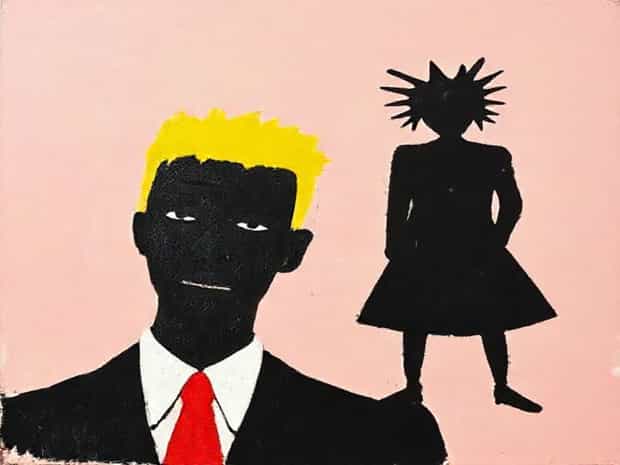
Jean Michel Basquiat Andy Warhol Painting
The collaboration between Jean-Michel Basquiat and Andy Warhol represents one of the most iconic partnerships in modern art history. Both artists were influential in shaping the art scene of the late 20th century, yet they came from very different backgrounds and artistic philosophies. Basquiat, a young, energetic figure from Brooklyn, brought a raw, graffiti-inspired style infused with social commentary and cultural symbolism. Warhol, the established pop art icon, was known for his polished, commercial aesthetic and fascination with celebrity culture. Together, their collaborative paintings became a fascinating fusion of street art and pop sensibilities, creating works that are visually striking, culturally relevant, and highly sought after in the contemporary art world.
The Origins of the Collaboration
Jean-Michel Basquiat and Andy Warhol first met in the early 1980s in New York City, a time when the city was a vibrant hub for both street and gallery art. Their meeting was facilitated by art dealers who recognized the potential synergy between Basquiat’s raw, expressive style and Warhol’s polished pop aesthetic. Despite initial skepticism from critics and the art community, the collaboration emerged as a bold experiment that bridged generational and stylistic gaps. This partnership allowed Basquiat to gain greater exposure to established art collectors, while Warhol benefited from the fresh energy and contemporary relevance that Basquiat brought to their joint works.
Artistic Styles and Influences
Understanding the individual styles of Basquiat and Warhol is essential to appreciating their collaborative paintings. Basquiat’s work was heavily influenced by street culture, jazz music, and African-American history. His compositions often feature abstract figures, cryptic texts, and symbols that challenge viewers to interpret multiple layers of meaning. Warhol’s approach, on the other hand, revolved around mass media, consumerism, and repetition. His iconic images of celebrities and everyday products emphasized commercial culture while maintaining an air of detachment. The collaboration between the two artists created a dynamic tension between spontaneity and precision, chaos and control, personal expression and cultural commentary.
Key Collaborative Works
Basquiat and Warhol produced numerous collaborative paintings during the mid-1980s, often merging Basquiat’s frenetic energy with Warhol’s polished silk-screen techniques. Some notable works include Olympic Rings, which combines vibrant, chaotic brushwork with Warhol’s recognizable symbols, and Gold Panther, where Basquiat’s expressive figures interact with Warhol’s flat, iconic imagery. Each piece showcases the unique dialogue between the two artists, where Warhol’s structured pop elements serve as a backdrop to Basquiat’s intense, emotive strokes. The works often feature bold colors, layered textures, and symbolic references, reflecting both artists’ engagement with contemporary social and cultural issues.
Reception and Criticism
Initially, the collaborative paintings of Basquiat and Warhol received mixed reviews. Critics questioned whether the partnership diluted the individual strengths of each artist or whether it represented a genuine fusion of styles. Some argued that Warhol’s commercial approach clashed with Basquiat’s raw authenticity, while others believed that the contrast created a unique and innovative dialogue. Over time, however, the significance of their collaboration has been reevaluated, with many art historians acknowledging that these works highlight the possibilities of cross-generational and cross-stylistic experimentation in contemporary art.
The Creative Process
The process behind Basquiat and Warhol’s collaborative paintings was often spontaneous and experimental. Basquiat would typically begin with freehand sketches, graffiti-like marks, and abstract symbols, while Warhol contributed polished prints, silkscreens, or recognizable motifs. They would sometimes work side by side in the studio, layering their contributions and responding to each other’s visual language. This process resulted in dynamic, multi-layered compositions that reflect the interplay of two distinct artistic visions. The combination of spontaneity and structure became a hallmark of their joint works, producing paintings that were both visually compelling and conceptually rich.
Symbolism and Themes
The collaborative paintings often explore themes such as power, identity, consumerism, and social commentary. Basquiat’s references to African-American history, political figures, and cultural symbols interact with Warhol’s exploration of fame, commerce, and mass media. The juxtaposition of these themes allows viewers to engage with multiple levels of meaning, from the personal and emotional to the societal and cultural. Color choices, recurring symbols, and compositional techniques further enhance the narrative depth of these works, making each painting a complex and layered visual experience.
Legacy and Impact
The collaboration between Jean-Michel Basquiat and Andy Warhol has left a lasting impact on the art world. Their joint works are celebrated for their innovative blending of street art and pop culture, inspiring future generations of artists to experiment with hybrid styles and cross-disciplinary approaches. These paintings have achieved significant commercial success, commanding high prices at auctions and remaining influential in contemporary art exhibitions. Moreover, the partnership serves as a symbol of how artistic dialogue across generations and styles can yield groundbreaking and culturally resonant work.
Collecting and Exhibiting Collaborative Works
Art collectors and institutions highly value Basquiat and Warhol collaborative paintings due to their rarity and cultural significance. Museums frequently showcase these works in exhibitions that explore the intersection of street art and pop art, highlighting the innovative aspects of their partnership. Collectors often seek pieces that exemplify the balance between Basquiat’s energetic expression and Warhol’s iconic motifs. The enduring appeal of these paintings lies in their visual impact, historical relevance, and the unique story behind the collaboration.
The paintings created by Jean-Michel Basquiat and Andy Warhol represent a remarkable convergence of two distinct artistic worlds. Through their collaborative works, they merged Basquiat’s raw, expressive street style with Warhol’s polished pop aesthetic, producing pieces that are visually striking and culturally meaningful. Despite initial criticism, these paintings have secured a prominent place in contemporary art history, inspiring future artists and collectors alike. The collaboration highlights the potential of cross-generational and cross-stylistic partnerships, demonstrating how contrasting approaches can come together to create innovative, enduring art that resonates across time.