Identify The Function Of The Menisci Of The Knee
The knee is one of the most complex and important joints in the human body, supporting daily movements such as walking, running, jumping, and even standing still. Within the knee joint, there are small but vital structures called menisci. These crescent-shaped pieces of fibrocartilage may seem minor, but they play a crucial role in maintaining stability, reducing stress, and protecting the joint from damage. To identify the function of the menisci of the knee, it is important to look not only at their structure but also at the many ways they contribute to joint health and mobility. Without properly functioning menisci, the knee joint becomes more vulnerable to injury, wear, and long-term conditions such as osteoarthritis.
Anatomy of the Menisci
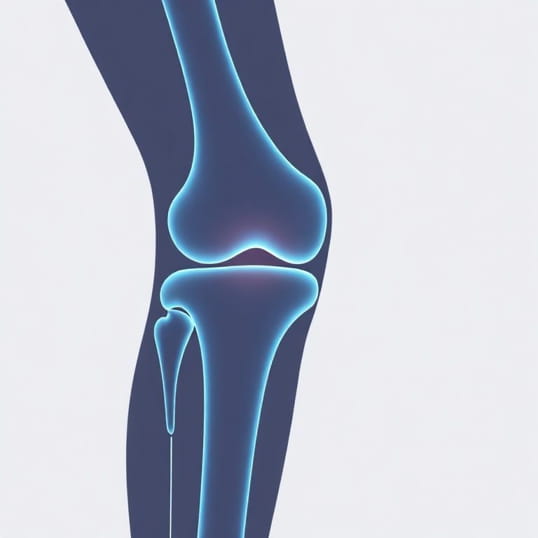
The menisci are two wedge-shaped cartilaginous structures located between the femur (thigh bone) and the tibia (shin bone). Each knee has two menisci the medial meniscus, which is located on the inner side of the knee, and the lateral meniscus, found on the outer side. Their unique shape allows them to conform to the rounded surface of the femur and the flat surface of the tibia, creating a smooth articulation between the bones.
Composition of the Menisci
The menisci are made of fibrocartilage, which is tougher and more flexible than regular cartilage. This composition makes them capable of withstanding significant stress while maintaining resilience. The outer edge of the menisci is thicker, while the inner edge is thinner, giving them a crescent-like shape that helps distribute pressure evenly.
Main Functions of the Menisci
The functions of the menisci are multifaceted. They are not just passive cushions in the knee but active contributors to its stability and efficiency. By identifying these roles, one can understand why injuries to the menisci are so impactful.
- Shock absorptionMenisci absorb impact forces generated during walking, running, or jumping, preventing excessive stress on bones and cartilage.
- Load distributionThey help spread body weight evenly across the knee joint, reducing pressure on any single area.
- Joint stabilityMenisci act as stabilizers, especially in rotational movements, by deepening the contact area between femur and tibia.
- Lubrication and nutritionThey facilitate the distribution of synovial fluid, which nourishes cartilage and reduces friction.
- ProprioceptionMenisci contain nerve endings that aid in sensing knee position and movement, supporting balance and coordination.
Shock Absorption Role
One of the most critical functions of the menisci is absorbing shocks that occur during weight-bearing activities. Without them, every step would transmit direct force from the femur to the tibia, leading to faster joint degeneration. The menisci compress under load, acting like cushions that dampen energy and protect surrounding structures. This role becomes particularly important in high-impact sports or occupations that involve heavy lifting.
Load Distribution Function
Equally important is the way menisci distribute body weight. If weight were concentrated in one small area of the knee, the cartilage and bone in that region would wear down quickly. By spreading forces over a larger surface area, the menisci reduce localized stress and prolong joint health. Studies have shown that removal of a meniscus can increase contact stress by several times, which explains why meniscal injuries often lead to arthritis later in life.
Stabilization of the Knee
The knee is not just a hinge; it also experiences rotational and gliding movements. The menisci help stabilize these complex motions by keeping the femur properly aligned with the tibia. The medial meniscus, in particular, contributes to stability because it is more firmly attached than the lateral meniscus. Without this stabilizing role, the knee would be prone to dislocation and injuries, especially during twisting movements.
Lubrication and Nutrition
Another function often overlooked is how menisci promote joint lubrication. They help circulate synovial fluid, a nourishing liquid that keeps the cartilage healthy and reduces friction. This process not only prevents wear but also aids in repair and maintenance of surrounding tissues. A knee with damaged or removed menisci often experiences dryness and roughness, accelerating deterioration.
Proprioceptive Function
Menisci contain specialized nerve endings that detect movement and position of the knee joint. This sensory feedback, known as proprioception, allows the body to maintain balance and coordination. Athletes, in particular, rely heavily on proprioception to perform precise movements. When the menisci are torn or removed, proprioceptive feedback is reduced, making the joint more susceptible to further injuries.
Consequences of Meniscal Damage
When identifying the function of the menisci, it becomes clear why damage to these structures can have severe consequences. Meniscal tears are among the most common knee injuries, especially in athletes and older adults. Once torn, the menisci lose their ability to absorb shocks and distribute loads effectively, which leads to increased stress on the knee joint.
Short-Term Consequences
Immediately after a meniscus injury, individuals may experience pain, swelling, and reduced mobility. The knee may lock or catch due to displaced fragments of cartilage. This affects not only sports performance but also daily tasks such as climbing stairs or squatting.
Long-Term Consequences
Over time, the absence of fully functioning menisci increases the risk of degenerative diseases like osteoarthritis. Because load distribution is impaired, cartilage wears down more rapidly. Many patients who undergo meniscus removal (meniscectomy) later develop chronic knee pain and stiffness.
Treatment and Protection of Menisci
Given their importance, protecting and treating the menisci is a priority in orthopedics. Treatment options vary depending on the severity and type of injury.
- Conservative treatmentRest, ice, compression, elevation (RICE), along with physical therapy, may help minor injuries heal.
- Surgical repairTorn menisci can sometimes be stitched back together, especially in younger patients.
- Partial meniscectomyIn severe cases, the damaged part of the meniscus is removed, though this increases future arthritis risk.
- Meniscus transplantFor patients with complete loss of meniscus, donor tissue may be used to restore function.
Prevention of Meniscal Injuries
Prevention strategies play an essential role in maintaining healthy menisci. Strengthening the muscles around the knee, particularly the quadriceps and hamstrings, helps support joint stability. Warming up before exercise, using proper footwear, and avoiding sudden twisting motions can also reduce injury risk. For athletes, incorporating balance and proprioceptive training is beneficial in keeping the menisci safe from strain.
To identify the function of the menisci of the knee is to recognize their vital role in shock absorption, load distribution, stabilization, lubrication, and proprioception. These small structures are indispensable for smooth and pain-free movement. Damage to the menisci compromises not only athletic performance but also long-term joint health. Understanding their function highlights the need for careful protection, proper treatment of injuries, and preventive measures to ensure that the knee joint remains healthy and strong throughout life.