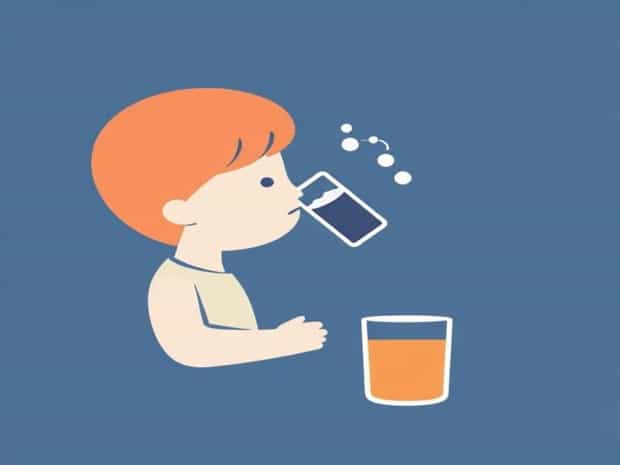
How To Stop Habitual Drinking In Toddlers
Dealing with habitual drinking in toddlers can be a stressful and confusing experience for parents and caregivers. Young children often develop routines around feeding and drinking, but when these routines turn into excessive or frequent drinking of milk, juice, or even sugary drinks, it can have negative effects on their health, including dental issues, poor nutrition, and disrupted eating patterns. Understanding the underlying causes of habitual drinking and implementing effective strategies to manage it is essential for fostering healthy habits and supporting a toddler’s overall development. Early intervention and consistent guidance can make a significant difference in reducing dependency on constant drinking while ensuring the child receives the necessary nutrients in a balanced manner.
Understanding Habitual Drinking in Toddlers
Habitual drinking in toddlers is often more than just a phase. It can stem from various factors, such as emotional comfort, boredom, or simply a preference for sweet beverages. Toddlers may use drinking as a way to soothe themselves or cope with anxiety, especially during transitions like starting daycare or adjusting to a new environment. It’s important for parents to distinguish between normal thirst and habitual drinking, as the latter can interfere with regular meals and essential nutrition.
Common Signs of Habitual Drinking
- Constantly requesting drinks between meals.
- Drinking large quantities of milk, juice, or sweetened beverages daily.
- Refusing solid foods in favor of liquids.
- Using drinking as a primary source of comfort or entertainment.
- Experiencing dental issues such as cavities due to frequent sugary drinks.
Setting a Structured Drinking Schedule
One of the most effective strategies to reduce habitual drinking is establishing a structured schedule. Toddlers thrive on routine, and predictable times for drinks can help them adjust gradually. Limit drinks to specific times, such as during meals and snacks, and avoid offering drinks outside these periods. Water should be the default option for in-between thirst, while milk or other nutrient-rich beverages should be limited to appropriate servings.
Practical Steps for Implementing a Schedule
- Offer milk or formula only during meals and snacks.
- Provide small, measured portions to prevent overconsumption.
- Encourage the toddler to finish solid foods before offering extra drinks.
- Gradually reduce the amount of juice or sweet drinks to minimize cravings.
- Use a consistent routine to reinforce expectations and reduce resistance.
Introducing Healthy Alternatives
Replacing sugary or excessive milk drinks with healthy alternatives can significantly reduce habitual drinking. Water is the ideal choice between meals, and herbal teas without caffeine or sugar can be offered in small amounts if the toddler is resistant to plain water. Introducing smoothies made from fruits and vegetables in moderation can provide both hydration and nutrition while reducing reliance on sugary drinks.
Tips for Healthy Drink Substitutions
- Offer water in fun cups or bottles to make it appealing.
- Blend fruits with a small amount of yogurt for a nutrient-rich smoothie.
- Gradually dilute juice with water to reduce sugar content.
- Use milk alternatives like fortified plant-based drinks sparingly if recommended by a pediatrician.
- Praise and encourage the toddler when they choose healthy drinks.
Addressing Emotional Triggers
Habitual drinking is often linked to emotional needs. Toddlers may drink excessively when they feel anxious, tired, or bored. Identifying these triggers and providing alternative coping mechanisms is crucial. Engaging the child in play, reading, or sensory activities can redirect attention away from drinking while satisfying their need for comfort or stimulation.
Strategies for Emotional Support
- Offer cuddles, attention, or verbal reassurance instead of a drink.
- Introduce comfort items like soft toys or blankets.
- Engage in structured playtime to reduce boredom-related drinking.
- Maintain consistent routines to provide a sense of security.
- Model healthy drinking behaviors by demonstrating moderation and water preference.
Gradual Reduction Techniques
Sudden elimination of habitual drinking can lead to resistance or tantrums. A gradual approach helps toddlers adjust more smoothly. Slowly decreasing the quantity of preferred beverages or the number of drinking occasions can encourage adaptation. Combining this with positive reinforcement, such as praise for choosing water or eating solid foods first, reinforces good habits.
Step-by-Step Reduction Plan
- Track the toddler’s daily drink intake for a week.
- Identify the highest-consumption times and target them first.
- Reduce drink portions slightly each day rather than stopping abruptly.
- Introduce water or healthy alternatives gradually at those times.
- Reward successful adherence with praise or a non-food reward.
Encouraging Healthy Eating Habits
Promoting balanced nutrition can naturally reduce the reliance on habitual drinking. Ensuring that toddlers receive enough solid food and nutrient-dense meals helps them feel satiated, reducing the urge to drink excessively. Including a variety of fruits, vegetables, whole grains, and proteins supports overall growth and minimizes the need for frequent drinks as a source of energy.
Nutrition Tips for Toddlers
- Offer meals and snacks with a balance of protein, carbohydrates, and healthy fats.
- Introduce a variety of textures to make eating more engaging.
- Limit sugary snacks and drinks to reinforce healthy eating choices.
- Serve drinks after meals to encourage full consumption of solids first.
- Maintain a positive mealtime environment without pressure or punishment.
Consulting Healthcare Professionals
In cases where habitual drinking persists or affects a toddler’s health, consulting a pediatrician or nutritionist is recommended. Professionals can assess the child’s growth, nutritional intake, and possible underlying causes for excessive drinking. Guidance from experts can provide tailored strategies and support, ensuring the toddler develops healthy drinking habits while maintaining proper nutrition and hydration.
When to Seek Professional Advice
- Rapid weight gain or loss related to excessive drinking.
- Persistent refusal of solid foods.
- Dental problems due to frequent sugary drinks.
- Signs of dehydration or poor growth.
- Difficulty implementing changes despite consistent efforts at home.
Consistency and Patience
Breaking the cycle of habitual drinking in toddlers requires patience and consistency. Changes may take time, and occasional setbacks are normal. Parents and caregivers should remain calm, offer gentle guidance, and reinforce positive behaviors. Over time, toddlers learn to regulate their drinking habits, choose healthier options, and develop a balanced approach to hydration and nutrition.
Key Takeaways for Parents
- Establish structured drink schedules and limit beverages outside mealtimes.
- Introduce healthy alternatives like water and smoothies.
- Address emotional triggers through comfort and engagement, not drinks.
- Gradually reduce excessive consumption rather than abrupt elimination.
- Encourage balanced nutrition to decrease dependency on drinks.
- Seek professional guidance if necessary and maintain consistent routines.
By understanding the causes and consequences of habitual drinking, providing structured guidance, and supporting toddlers with healthy alternatives and emotional care, parents can help their children develop lifelong healthy drinking habits. Patience, consistency, and proactive strategies are the keys to overcoming this common challenge, ensuring toddlers grow up with balanced nutrition and a positive relationship with beverages.