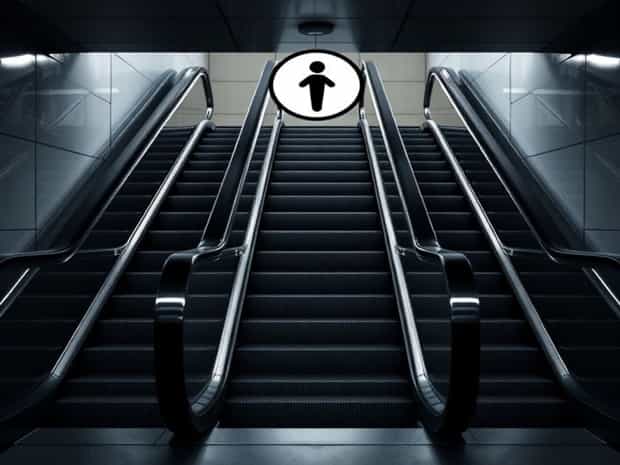
How To Stop An Escalator
Escalators are a common feature in shopping malls, airports, subway stations, and other public spaces, providing convenient transportation between floors. While escalators are generally safe, there are situations where it may be necessary to stop one quickly, such as in an emergency or to prevent accidents. Understanding how to stop an escalator safely is important for facility managers, security personnel, and even the general public in emergency scenarios. Knowing the correct procedures can prevent injuries, reduce damage, and ensure the escalator is safely restarted afterward.
Understanding Escalator Safety Mechanisms
Modern escalators are equipped with multiple safety features designed to prevent accidents and allow quick intervention when necessary. Familiarity with these mechanisms is crucial before attempting to stop an escalator.
Emergency Stop Buttons
Every escalator is equipped with emergency stop buttons located at the top and bottom landings. These buttons are usually red and prominently displayed for easy access. Pressing an emergency stop button immediately cuts power to the escalator, bringing it to a controlled stop. The stop mechanism is designed to prevent sudden jerks, reducing the risk of falls or injuries to passengers.
Handrail and Step Sensors
Escalators contain sensors that detect obstructions, irregular movements, or excessive speed. While these sensors automatically trigger a stop in some situations, manual intervention may still be necessary in emergencies. Understanding the sensor functions helps in recognizing situations where the escalator is not responding automatically.
Situations That Require Stopping an Escalator
Knowing when to stop an escalator is as important as knowing how. Emergency situations can occur unexpectedly and require quick decision-making.
Emergency Situations
- Passenger falls or gets trapped between steps.
- Foreign objects such as strollers, luggage, or loose clothing caught in the escalator.
- Mechanical malfunctions or abnormal noises indicating potential breakdown.
- Fire or smoke in the vicinity requiring immediate evacuation.
In each case, stopping the escalator promptly reduces the risk of further injuries and allows for safe intervention.
Maintenance or Inspection
Escalators may also need to be stopped for routine maintenance, inspection, or cleaning. During these procedures, technicians ensure the escalator is fully powered down and locked out to prevent accidental operation.
Step-by-Step Guide to Stopping an Escalator
Stopping an escalator should be performed carefully to ensure the safety of passengers and prevent damage to the equipment.
Locate the Emergency Stop Button
Identify the nearest emergency stop button at the top or bottom of the escalator. These buttons are usually red and marked with clear signage. If the emergency occurs mid-escalator, quickly move to the closest landing to reach the stop button.
Press the Emergency Stop Button
Press the button firmly. Modern escalators are designed to decelerate gradually rather than stopping abruptly, minimizing the risk of falls. Continue to hold the button if necessary, as some escalators require a sustained press to remain stopped.
Alert Passengers
Immediately warn passengers to remain calm and hold onto the handrail. Ask anyone who is standing close to the obstruction or hazard to step off the escalator carefully. Clear communication helps prevent panic and reduces the risk of further accidents.
Contact Maintenance or Security
After stopping the escalator, notify maintenance personnel or building security to handle the situation. Trained staff can safely remove obstructions, check for mechanical issues, and ensure the escalator is safe to restart.
Precautions When Stopping an Escalator
Stopping an escalator involves risks, and certain precautions are essential to maintain safety.
Do Not Attempt Physical Interventions
Avoid trying to lift or move heavy objects caught in the escalator while it is running. Wait until the escalator is completely stopped to prevent injuries from moving steps or handrails.
Ensure Clear Access
Keep passengers and bystanders at a safe distance while addressing the emergency. This prevents accidental contact with moving parts and reduces the likelihood of panic-related injuries.
Follow Facility Protocols
Each building may have specific procedures for escalator emergencies. Follow posted instructions and guidance from staff or signage. Facilities often have emergency phones or intercom systems to report escalator issues quickly.
Restarting the Escalator
Once the emergency or obstruction has been resolved, the escalator can be restarted safely. Typically, only trained personnel should restart the machine to ensure it is functioning properly.
Reset the Emergency Stop
Most escalators have a reset mechanism for the emergency stop button. Follow the manufacturer’s instructions to reset the system. This may involve turning a key, pressing a reset switch, or releasing the emergency button carefully.
Check for Obstructions and Functionality
Before allowing passengers to use the escalator again, inspect the steps, handrails, and surrounding areas to confirm that no debris or hazards remain. Ensure that the escalator is operating smoothly without unusual noises or jerky movements.
Monitor Passenger Safety
Initially, observe passengers as they use the escalator to confirm it is functioning safely. Encourage careful use of handrails and remind users to watch their step, particularly after an emergency incident.
Training and Awareness
Facilities with escalators should provide staff training on emergency procedures. Security personnel, maintenance staff, and customer service employees benefit from knowing how to stop the escalator, communicate with passengers, and coordinate emergency response. Regular drills and refresher courses enhance preparedness and minimize response times during actual emergencies.
Public Awareness
Educating the general public about emergency stop buttons can improve safety. Clear signage indicating the location and use of stop buttons helps passengers understand how to respond in urgent situations.
Knowing how to stop an escalator is an important aspect of public safety and emergency preparedness. By understanding the safety features, recognizing emergency situations, using the emergency stop button properly, and following protocols, both staff and the public can minimize the risk of injuries. Proper precautions, timely communication, and post-incident inspection ensure that escalators remain safe and functional. Awareness, training, and vigilance are key to preventing accidents and handling escalator emergencies effectively.