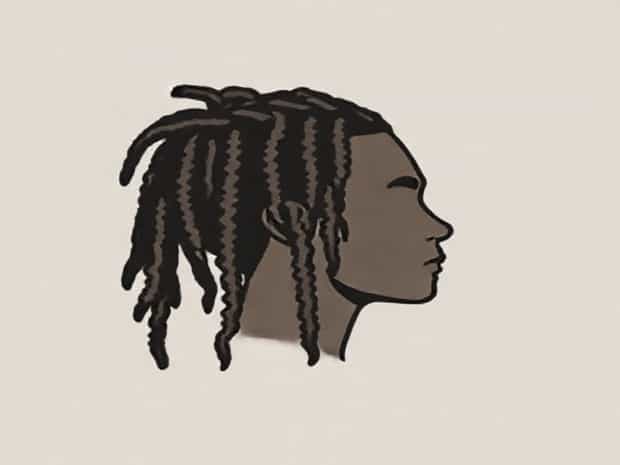
How To Make Dreadlocks
Creating dreadlocks is a unique and rewarding process that transforms natural hair into long-lasting, rope-like strands with a distinctive aesthetic. Dreadlocks have cultural, spiritual, and personal significance in many communities, and learning how to make them properly ensures both healthy hair and a beautiful final result. The process requires patience, consistency, and an understanding of hair texture and maintenance. While some may choose professional help, many individuals successfully create and maintain their own dreadlocks at home. Knowing the techniques, preparation steps, and care routines is essential for achieving strong, neat, and well-formed dreadlocks that can last for years.
Preparing Your Hair
Before beginning the process of making dreadlocks, proper hair preparation is crucial. Clean hair provides a solid foundation for the locking process, so start with freshly washed hair free of oils, conditioners, and heavy styling products. Avoid using conditioners, as they can make hair slippery and prevent it from locking properly. Hair length also affects the method; while dreadlocks can be started on short hair, longer hair tends to form locks more easily. Sectioning the hair into uniform parts will help create even dreadlocks and make maintenance simpler as they grow.
Choosing a Method
There are several methods to create dreadlocks, each suited to different hair types and preferences. Some popular techniques include
- BackcombingThis method involves teasing the hair backward toward the scalp to create knots, which are then rolled and secured into locks. It is commonly used for straight or wavy hair.
- Twist and RipHair is divided into sections, twisted, and gently pulled apart to encourage locking. This method works well for various hair textures and produces slightly textured locks.
- Freeform or NeglectHair is simply allowed to mat and lock naturally over time without manipulation. This method works best with curly or coily hair and produces a more organic, unique look.
- InterlockingHair is pulled through the root of each section to create tight, secure dreadlocks. This technique is often preferred for thin or straight hair that may need extra structure.
Sectioning Your Hair
Sectioning is one of the most important steps when making dreadlocks. Divide hair into small, even sections using clips or rubber bands to hold each part in place. The size of each section determines the thickness of the dreadlocks, so decide whether you want thin, medium, or thick locks. Smaller sections typically take longer to mature but result in more uniform, detailed dreadlocks, while larger sections form faster but may require more maintenance. Consistent sectioning ensures that the dreadlocks are neat and easier to manage throughout the locking process.
Starting the Locks
Once hair is sectioned, begin the chosen method to start the dreadlocks. For backcombing, tease each section from tip to root, then roll and palm-roll the hair to shape it. For twist and rip, twist each section and gently pull it apart to form knots, repeating the process down the length of the hair. In the freeform method, simply separate sections and allow the hair to naturally mat over time. Interlocking involves using a tool or fingers to pull the tip of each section through the root, creating a tight base for the dreadlock. Patience is essential, as initial locks may appear loose but will tighten and mature over several months.
Maintaining New Dreadlocks
After forming the initial dreadlocks, proper maintenance ensures healthy growth and neat appearance. Washing is essential, but avoid heavy conditioners that can loosen locks. Use residue-free shampoo to keep the scalp clean and prevent buildup. Dry the hair thoroughly after washing to avoid mildew or odor. Regular palm rolling helps maintain shape, especially in the early stages. Tightening roots and separating new growth prevents sections from merging, keeping locks uniform and manageable. Consistency in maintenance accelerates the maturation process and promotes strong, well-formed dreadlocks.
Dealing with Common Issues
New dreadlocks may encounter challenges such as frizz, loose hair, or uneven locking. Frizz is common and can be managed with palm rolling or light natural oils. Loose hair at the tips or roots can be incorporated into the dreadlock using a crochet hook or interlocking technique. Patience is key, as hair continues to lock and mature over time. Avoid over-manipulating the hair, as this can cause breakage or thinning. Monitoring and gentle maintenance help overcome common issues while preserving hair health.
Long-Term Care
Long-term care of dreadlocks involves regular washing, moisturizing, and protective styling. Keep the scalp hydrated with light oils or sprays to prevent dryness. Sleep with a satin or silk scarf to reduce friction and frizz. Avoid excessive use of waxes or heavy products, as they can cause buildup and attract dirt. Regularly check for loose roots and retighten if necessary. Proper long-term care ensures that dreadlocks remain strong, neat, and healthy, extending their lifespan and maintaining their aesthetic appeal.
Styling Options
Dreadlocks offer versatile styling options, from updos and braids to intricate designs and dyed tips. The style can evolve as the dreadlocks mature, providing opportunities for creativity and self-expression. Some people choose to accessorize with beads, wraps, or threads, adding personal touches without damaging the hair. Experimenting with styles can be fun, but it is important to avoid tight pulling or tension that could weaken the roots or cause breakage. Gentle styling complements healthy maintenance and showcases the beauty of dreadlocks.
Professional vs. DIY Dreadlocks
Deciding whether to create dreadlocks professionally or at home depends on skill level, hair type, and desired style. Professional locticians have experience and tools to create precise, uniform locks and provide guidance on maintenance. DIY dreadlocks can be cost-effective and offer creative freedom, but require patience and research to avoid mistakes. Regardless of the approach, following best practices in sectioning, locking, and maintenance ensures that dreadlocks develop properly and remain healthy.
Tips for Beginners
- Start with clean, residue-free hair to encourage locking.
- Choose the method that best suits your hair texture and patience level.
- Section hair evenly to maintain uniform dreadlocks.
- Be patient; dreadlocks take time to mature fully.
- Use palm rolling and gentle maintenance to encourage tight, neat locks.
- Protect hair at night with a silk or satin scarf.
- Avoid heavy waxes and harsh products that can cause buildup.
- Seek professional advice if unsure about methods or maintenance.
Making dreadlocks is a journey that combines creativity, patience, and dedication. By preparing hair properly, choosing a suitable method, and maintaining the locks consistently, anyone can create beautiful and durable dreadlocks. Understanding hair types, sectioning, and proper maintenance ensures strong, healthy dreadlocks that mature gracefully over time. Whether pursuing a DIY approach or consulting a professional, the process requires commitment and care. With the right techniques and long-term care, dreadlocks can become a stunning and expressive hairstyle that reflects personal style and cultural significance.