How To Crochet A Chevron Pattern
Crocheting a chevron pattern is a popular technique among crafters due to its striking zigzag design and versatile applications. This pattern can be used to create blankets, scarves, pillows, and even garments, adding a visually appealing texture to any project. Learning how to crochet a chevron pattern involves understanding basic crochet stitches, counting carefully, and mastering increases and decreases to form the signature peaks and valleys. With practice, this technique allows both beginners and experienced crocheters to create stunning, professional-looking pieces.
Understanding the Chevron Pattern
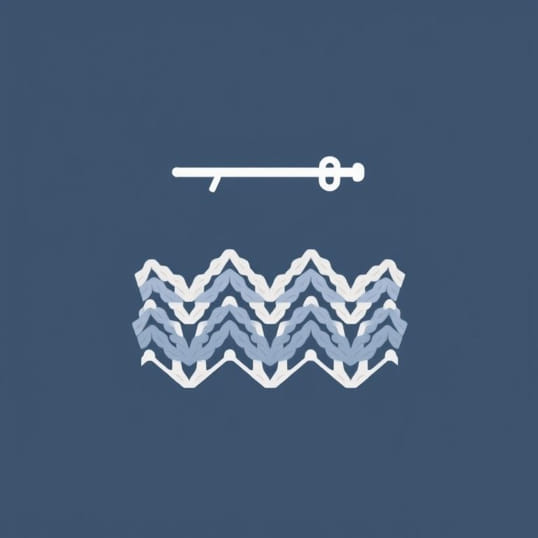
The chevron pattern is characterized by a repeating zigzag motif created by alternating increases and decreases in crochet stitches. Each peak is formed by working multiple stitches into a single stitch (increase), while each valley is created by skipping stitches or working decreases. The pattern can vary in width and height depending on the number of stitches and rows, giving the crafter flexibility in customizing the size and shape of the final project. Understanding these fundamental elements is essential before starting any chevron project.
Choosing Yarn and Hook
Selecting the appropriate yarn and crochet hook is crucial for achieving the desired texture and drape. Medium-weight yarn, such as worsted weight, works well for most chevron projects, providing a balance of structure and softness. For lighter, more delicate projects, consider using sport or DK weight yarn. Match the yarn with a compatible hook size as recommended on the yarn label. Using the correct hook ensures consistent tension and smooth, even stitches, which is especially important for maintaining the regularity of the chevron pattern.
Basic Stitches Required
Before attempting a chevron pattern, it is important to be comfortable with fundamental crochet stitches. These include
- Chain stitch (ch)
- Single crochet (sc)
- Half double crochet (hdc)
- Double crochet (dc)
- Slip stitch (sl st)
Mastering these stitches ensures smoother execution of increases and decreases, which are essential for creating the peaks and valleys that define the chevron design.
Starting Your Chevron Project
Begin by deciding the width of your project and the number of chevron repeats you want. Start with a foundation chain that is a multiple of the number of stitches required for one chevron repeat, plus extra stitches for turning. For example, a common pattern might use a multiple of 12 stitches plus 2 turning chains. Counting the stitches accurately at this stage is critical to ensure that the pattern aligns correctly across the entire piece.
Establishing the First Row
Once the foundation chain is ready, work the first row of stitches, following the increase and decrease sequence to create the initial peaks and valleys. Typically, this involves
- Working several stitches into a single chain for an increase (forming a peak)
- Skipping a stitch or performing a decrease to form a valley
- Continuing the pattern across the row until the end
Maintaining consistent tension is important, as uneven tension can distort the chevron shape and create irregular zigzags.
Continuing the Pattern
After completing the first row, continue the chevron pattern by turning your work and following the established stitch sequence. Each subsequent row should mirror the increases and decreases of the previous row to maintain the zigzag design. Keeping track of your stitch count and maintaining consistent spacing helps preserve the symmetry of the pattern. Markers or contrasting yarn can be useful for identifying the peaks and valleys, especially in larger projects.
Adjusting Chevron Size
The size of the chevron peaks and valleys can be adjusted by changing the number of stitches used in each increase and decrease. Using more stitches per peak creates a wider and gentler zigzag, while fewer stitches result in sharper, narrower chevrons. Experimenting with stitch counts allows for customization of the pattern to suit different project types, from bold blankets to subtle scarf designs.
Changing Colors in Chevron Patterns
One of the appealing aspects of chevron crochet is the opportunity to use color changes to enhance the zigzag effect. To change colors, finish the last stitch of the row with the new color and continue crocheting according to the established pattern. Alternating colors between rows or at specific intervals creates a striking visual contrast. Choosing complementary or contrasting colors can dramatically impact the final appearance of the project, adding dimension and vibrancy to the design.
Finishing Techniques
After reaching the desired length of your project, finish the chevron pattern by securing the last row with a slip stitch and weaving in any loose ends. Blocking the finished piece can help even out the stitches and enhance the overall shape of the chevron pattern. This is particularly useful for blankets, shawls, or garments where a smooth, flat finish is desirable. Proper finishing ensures that the chevron design remains crisp and visually appealing.
Tips for Perfecting the Chevron Pattern
- Practice the increase and decrease sequences on a small swatch before starting a large project.
- Use stitch markers to track the peaks and valleys for easier counting.
- Maintain consistent tension throughout to avoid irregular zigzags.
- Experiment with color combinations to create dynamic patterns.
- Check the stitch count at the end of each row to ensure the pattern stays aligned.
- Consider using a yarn with good stitch definition to highlight the chevron design.
Applications of Chevron Crochet
Crochet chevron patterns are highly versatile and can be used in a variety of projects. Popular applications include
- Blankets and throws for living room or bedroom decor
- Scarves, shawls, and cowls for stylish accessories
- Pillow covers or cushion designs for home accents
- Garments such as sweaters, vests, or skirts featuring bold zigzags
- Decorative wall hangings or table runners with colorful chevron stripes
The chevron pattern adds both texture and visual interest, making it a timeless choice for a wide range of crochet projects.
Practice and Experimentation
Mastering the chevron pattern requires patience and practice. Beginners may find it helpful to start with smaller projects such as dishcloths or scarves before attempting large blankets. Experimenting with different yarn types, stitch heights, and color combinations can also lead to unique and personalized results. Over time, crocheters develop a sense of rhythm and familiarity with the pattern, allowing for creative adaptations and more complex designs.
Ultimately, learning how to crochet a chevron pattern opens up a world of creative possibilities. By understanding the basic principles, practicing increases and decreases, and experimenting with colors and textures, anyone can create visually stunning pieces. The chevron pattern combines elegance with practicality, making it a favorite among crocheters of all skill levels. With attention to detail and consistent practice, your chevron crochet projects can become beautiful, functional, and cherished handmade creations.
Crocheting a chevron pattern is not just about following a sequence of stitches it is an opportunity to explore artistry, color, and texture in crochet. As you refine your technique, you will gain confidence in creating larger, more intricate projects and even incorporating variations of the zigzag motif into unique designs. This skill enhances both the aesthetic and functional value of your crochet work, ensuring that your creations stand out with style and precision.