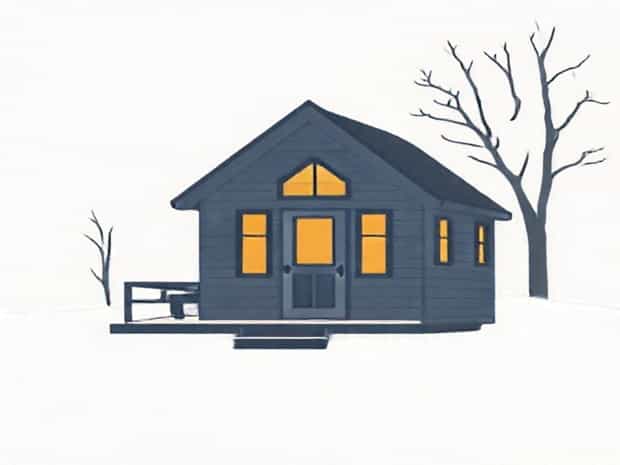
How Much Are Tiny Houses
Tiny houses have grown increasingly popular as an alternative to traditional housing, offering a minimalist lifestyle, affordability, and flexibility. These compact homes are typically designed to maximize space efficiency while providing essential living amenities. Many people are curious about the cost of tiny houses, as prices can vary widely depending on size, materials, customization, location, and whether the house is built on a trailer or a permanent foundation. Understanding the pricing structure helps prospective homeowners, renters, and tiny house enthusiasts make informed decisions, budget effectively, and choose a design that meets their lifestyle goals without compromising quality or comfort.
Factors Influencing the Cost of Tiny Houses
The price of a tiny house is determined by a combination of factors, each impacting the overall investment required. Awareness of these elements can help potential buyers understand what drives costs and identify areas where savings can be made.
Size and Square Footage
One of the most significant determinants of cost is the size of the tiny house. Most tiny homes range between 100 and 400 square feet, with smaller models generally costing less. However, the price per square foot can sometimes be higher in smaller spaces due to the need for compact, custom solutions for furniture, storage, and appliances. Larger tiny homes or lofted designs may require more materials and labor, increasing overall costs.
Construction Materials
The choice of materials greatly affects the price of a tiny house. High-quality wood, steel, or recycled materials may cost more upfront but can offer better durability and aesthetics. Using standard or pre-fabricated materials may reduce costs but may not provide the same level of customization or longevity. Additionally, energy-efficient materials such as insulated panels, double-pane windows, and eco-friendly fixtures can raise the initial cost while reducing long-term utility expenses.
Customization and Features
Custom-built tiny houses tend to be more expensive than standard models or pre-designed kits. Features such as full kitchens, bathrooms with showers, lofted sleeping areas, built-in storage, solar panels, and smart home systems can significantly increase the total cost. Customization allows homeowners to tailor the house to their needs but comes with added labor and design expenses.
Foundation and Mobility
The type of foundation affects both price and functionality. Tiny houses on wheels, which are mobile and can be transported, generally cost less than permanent foundation homes due to reduced site work and construction requirements. Permanent tiny houses may require land purchase, permits, and connection to utilities, all of which contribute to higher overall costs.
Labor and Location
Labor costs vary depending on geographic location, the builder’s expertise, and whether the house is constructed by professionals or as a DIY project. Urban areas with higher labor rates and stricter building codes tend to increase the cost of a tiny house. Conversely, building in areas with lower costs of living or using personal labor can make the project more affordable. Permitting, zoning regulations, and utility connections also vary by location and can impact the final price.
Price Ranges of Tiny Houses
Tiny house prices vary widely depending on size, materials, features, and construction methods. Understanding the general price ranges helps prospective buyers set realistic budgets and expectations.
Entry-Level Tiny Houses
Entry-level tiny houses, often DIY or pre-fabricated kits, typically cost between $10,000 and $30,000. These models are usually smaller, around 100 to 200 square feet, and offer basic amenities such as a small kitchen, bathroom, and sleeping loft. Entry-level homes are ideal for those seeking an affordable introduction to tiny living or a simple mobile home option. While these homes are budget-friendly, buyers may need to compromise on finishes, customization, or long-term durability.
Mid-Range Tiny Houses
Mid-range tiny houses generally cost between $30,000 and $80,000. These homes often include higher-quality materials, more square footage, and improved design features such as full-sized appliances, built-in storage, and additional comfort elements. Many mid-range homes are professionally built, providing better craftsmanship and long-term reliability. These houses strike a balance between affordability and functionality, making them a popular choice for full-time tiny house living.
High-End Tiny Houses
High-end tiny houses can cost $80,000 to $150,000 or more, depending on customization, luxury finishes, and advanced features. These homes may include high-end appliances, smart home technology, solar panels, premium materials, and custom layouts. High-end tiny houses are often built by experienced professionals and can be tailored to reflect the owner’s personal style and specific needs. While these homes represent a significant investment, they offer enhanced comfort, durability, and energy efficiency, making them suitable for long-term or permanent living.
Additional Costs to Consider
In addition to the base price of a tiny house, buyers should consider several additional costs that may influence the total investment
- Land PurchaseIf building a permanent tiny house, purchasing land can be a significant cost depending on location and size.
- Permits and ZoningBuilding permits, inspections, and zoning approvals may add several thousand dollars to the overall cost.
- Utilities and ConnectionsHooking up electricity, water, sewage, and internet services can be an extra expense, particularly for permanent tiny houses.
- TransportationTiny houses on wheels require towing equipment and may incur transport fees if relocating to a new site.
- InsuranceProtecting a tiny house, whether stationary or mobile, involves insurance costs that should be factored into the budget.
Financing Tiny Houses
Financing a tiny house can differ from traditional mortgages, especially for mobile homes. Many buyers use personal savings, RV loans, or specialized tiny house loans, depending on the type and mobility of the house. Permanent tiny houses on land may qualify for conventional home loans, but lenders may have specific requirements. Understanding financing options and budgeting for interest, down payments, and insurance is essential for a smooth purchasing process.
Tips for Reducing Costs
Prospective tiny house owners can take several steps to manage costs without sacrificing quality
- Consider DIY construction or semi-prefabricated kits to reduce labor expenses.
- Choose a smaller, more efficient design to minimize material use and ongoing utility costs.
- Prioritize essential features and gradually add upgrades over time.
- Shop around for reputable builders or suppliers to find competitive pricing.
- Research local regulations and permit requirements to avoid unexpected fees.
The cost of tiny houses varies widely, ranging from as low as $10,000 for entry-level DIY models to over $150,000 for high-end, fully customized homes. Factors such as size, materials, customization, foundation type, labor, and location influence the price. Additional costs like land purchase, permits, utilities, transportation, and insurance should also be considered when budgeting for a tiny house. By understanding these variables and exploring financing options, prospective homeowners can make informed decisions and choose a tiny house that aligns with their lifestyle, budget, and long-term goals. Whether opting for a simple entry-level model or a luxurious custom home, tiny houses offer an opportunity for affordable, efficient, and flexible living in a compact space.