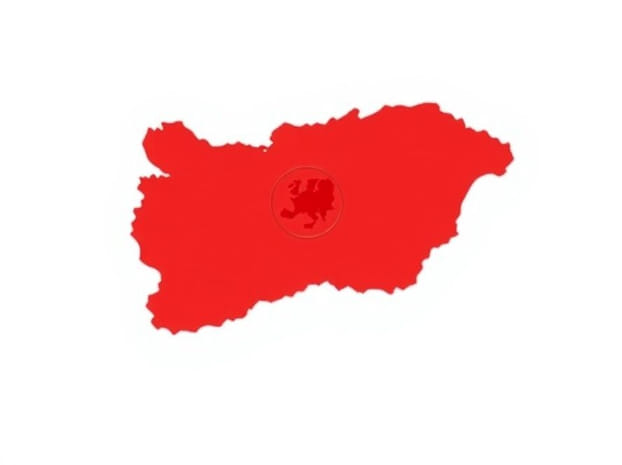
How Is Bulgaria Country
Bulgaria is a country located in Southeastern Europe, known for its rich history, diverse landscapes, and cultural heritage. Nestled on the Balkan Peninsula, it shares borders with Romania, Serbia, North Macedonia, Greece, and Turkey, with the Black Sea forming its eastern coastline. Bulgaria’s position at the crossroads of Europe and Asia has influenced its development over centuries, shaping its architecture, traditions, and social dynamics. The country combines modern urban centers with historic towns, fertile plains with rugged mountains, and cultural landmarks with natural beauty. Understanding how Bulgaria is as a country involves exploring its geography, history, economy, society, and tourism, all of which contribute to its identity as a unique European nation.
Geographical Features
Bulgaria covers an area of approximately 110,994 square kilometers, making it a moderately sized European country. Its geography is characterized by a variety of landscapes, including mountains, plains, rivers, and coastal areas. The Balkan Mountains stretch from west to east, forming a natural barrier that has historically influenced settlement and transportation. The Rhodope Mountains in the south are known for their scenic beauty and folklore traditions. Fertile plains, particularly the Thracian Plain, support agriculture, while rivers like the Danube, Maritsa, and Iskar play a crucial role in irrigation, transportation, and hydroelectric power. Bulgaria’s Black Sea coastline offers sandy beaches, ports, and tourist destinations that attract both domestic and international visitors.
Climate and Environmental Diversity
- Continental climate in most of the country with hot summers and cold winters.
- Mediterranean influences in the south, creating milder winters and warmer summers.
- Mountainous areas experience heavy snowfall and cooler temperatures.
- Rich biodiversity, including forests, wildlife, and protected areas.
- Rivers and lakes support ecosystems and human activities such as fishing and recreation.
Historical Background
Bulgaria has a history that spans thousands of years, from ancient Thracian settlements to the modern republic established in 1990 after the end of communist rule. Throughout history, Bulgaria has experienced periods of empire, foreign occupation, and cultural flourishing. The First Bulgarian Empire in the 7th century and the Second Bulgarian Empire in the Middle Ages were notable for their political and cultural achievements, including contributions to Slavic literacy, architecture, and art. Ottoman rule, lasting nearly five centuries, left a significant influence on culture, cuisine, and traditions. Bulgaria regained independence in the late 19th century and joined the European Union in 2007, integrating more closely with European economic and political systems.
Key Historical Highlights
- Ancient Thracian civilization known for tombs, art, and rituals.
- First Bulgarian Empire (681-1018) and Second Bulgarian Empire (1185-1396).
- Ottoman period (1396-1878) shaping cultural and architectural influences.
- Independence declared in 1878 and formation of the modern Bulgarian state.
- EU membership since 2007, boosting economic and social development.
Population and Society
Bulgaria has a population of approximately 6.9 million people, with a mix of ethnic Bulgarians, Turks, Roma, and smaller minority groups. The population density is moderate, with most people living in urban centers such as Sofia, Plovdiv, Varna, and Burgas. The country faces demographic challenges, including an aging population and declining birth rates, which impact workforce availability and economic growth. Bulgarian society is marked by strong family ties, cultural traditions, and a rich heritage of music, dance, and festivals. Education and healthcare systems are accessible nationwide, contributing to the overall social stability and quality of life.
Societal Characteristics
- Urban population concentrated in major cities, rural areas less densely populated.
- Ethnic diversity including Bulgarians, Turks, Roma, and others.
- Strong emphasis on family, cultural traditions, and community life.
- High literacy rates and access to education and healthcare.
- Challenges include aging population and emigration of young professionals.
Economy and Infrastructure
Bulgaria’s economy is diverse, encompassing agriculture, industry, and services. Agriculture remains important in rural areas, with crops such as wheat, sunflower, corn, and vineyards producing wine and other agricultural goods. Industrial sectors include machinery, chemicals, metallurgy, and food processing. The services sector, particularly tourism, trade, and information technology, has expanded in recent years. Infrastructure development, including road networks, railways, ports, and airports, facilitates domestic connectivity and international trade. EU membership has provided access to development funds, supporting modernization of infrastructure, energy, and public services.
Economic Highlights
- Agriculture Significant contributor, with crops, livestock, and wine production.
- Industry Manufacturing, energy production, and technology sectors.
- Tourism Popular destinations include Sofia, Plovdiv, Black Sea coast, and mountain resorts.
- Infrastructure Roads, railways, and ports connecting the country domestically and internationally.
- EU integration Investment in development projects and economic modernization.
Culture and Tourism
Bulgaria is renowned for its rich cultural heritage, which includes traditional music, dance, crafts, and cuisine. Festivals such as Kukeri, Rose Festival, and Nestinarstvo celebrate folk traditions and seasonal events. The country’s historical sites, including ancient Roman theaters, medieval fortresses, and Orthodox monasteries, attract tourists from around the world. Natural landscapes, from the Black Sea beaches to the Rila and Pirin mountains, provide opportunities for outdoor recreation, hiking, skiing, and eco-tourism. Bulgarian cuisine features a blend of Balkan flavors with dishes like banitsa, shopska salad, and yogurt-based meals, reflecting the country’s agricultural abundance and culinary traditions.
Tourism Attractions
- Sofia Capital city with historical landmarks, museums, and cultural events.
- Plovdiv Ancient city known for Roman theater, architecture, and arts festivals.
- Black Sea Coast Sunny beaches, resorts, and seaside tourism.
- Rila and Pirin Mountains Hiking, skiing, and nature exploration.
- Monasteries and cultural sites Rila Monastery, Bachkovo Monastery, and UNESCO heritage sites.
Government and Politics
Bulgaria is a parliamentary republic with a president as head of state and a prime minister as head of government. The political system is based on democratic principles, with regular elections, multiparty representation, and an independent judiciary. EU membership influences Bulgaria’s legislation, economy, and policies, aligning the country with European standards. Local governance is organized into provinces and municipalities, which handle regional administration, public services, and development initiatives. Bulgaria’s government continues to focus on economic reform, infrastructure improvement, and social policy development.
Political Structure
- Parliamentary republic with president and prime minister.
- Democratic elections and multiparty system.
- Judiciary independent and aligned with EU legal standards.
- Local administration through provinces and municipalities.
- Policy focus economic reform, social welfare, and infrastructure development.
Bulgaria is a country that combines rich history, cultural diversity, and natural beauty within a moderate geographic area. Its landscapes range from mountains and fertile plains to the Black Sea coast, supporting agriculture, tourism, and urban development. Bulgarian society is marked by strong traditions, ethnic diversity, and a focus on education and social welfare, while the economy continues to evolve with EU integration. With its historical heritage, modern cities, scenic landscapes, and cultural richness, Bulgaria offers a unique blend of old and new, making it an interesting and dynamic country in Southeastern Europe. Understanding how Bulgaria is as a country involves appreciating its geography, people, culture, and role in the European and global context, highlighting its significance as a distinctive and multifaceted nation.