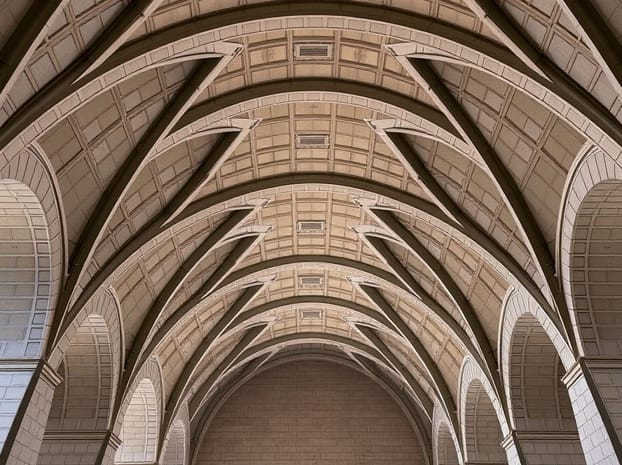
Guastavino Vaulting The Art Of Structural Tile
In the world of architecture, few construction techniques are as fascinating and enduring as Guastavino vaulting, also known as the art of structural tile. This method of creating thin-tile vaults transformed the way architects and builders approached durability, elegance, and cost-efficiency in large buildings. From cathedrals to libraries and train stations, Guastavino vaults remain as a testament to the brilliance of design innovation and the beauty of combining structural strength with artistic form. The system is not only historically significant but also continues to influence modern architectural approaches to efficiency and aesthetics.
The Origins of Guastavino Vaulting
Guastavino vaulting traces back to the late 19th century and was popularized by Rafael Guastavino, a Spanish architect and builder who emigrated to the United States in 1881. He brought with him a centuries-old Spanish and Mediterranean tradition of timbrel vaulting, which relied on layers of thin ceramic tiles and quick-drying mortar. The technique was lightweight, strong, and remarkably fireproof qualities that made it particularly attractive for the booming cities of America during the industrial age. The arrival of Guastavino coincided with an era of rapid construction, where architects sought new solutions that balanced safety, cost, and beauty.
The Technique of Structural Tile
At the core of Guastavino vaulting lies the use of structural tile, often referred to as cohesive construction. Builders would place thin clay tiles, typically about an inch thick, in overlapping layers. Each tile was adhered with fast-setting mortar, which allowed vaults and arches to take shape quickly without requiring heavy wooden scaffolding. The resulting structures were not only efficient to build but also astonishingly strong.
Key Characteristics of Guastavino Vaulting
- Lightweight compared to traditional masonry arches and domes.
- Fireproof qualities, a major advantage in dense urban centers.
- Versatility in form, capable of spanning large spaces without massive supports.
- Elegant finishes that could be left exposed as decorative surfaces.
These features made the system particularly appealing for public buildings such as libraries, churches, and transportation hubs, where both safety and aesthetics were equally important.
Famous Examples of Guastavino Vaults
Guastavino’s work can still be admired in many landmark structures across the United States. His firm, the Guastavino Fireproof Construction Company, left an indelible mark on American architecture from the late 19th century to the mid-20th century. Some of the most notable examples include
- The Boston Public Library, where vaulted ceilings display intricate tilework.
- Grand Central Terminal in New York, with its iconic oyster bar featuring sweeping Guastavino arches.
- The Cathedral of St. John the Divine, one of the largest cathedrals in the world, where structural tile vaults crown the massive space.
- The Ellis Island Immigration Station, where thousands of immigrants first set foot under Guastavino tile ceilings.
These examples demonstrate the widespread adoption of structural tile vaulting in prestigious civic and religious architecture, showcasing both practicality and artistry.
Engineering Principles Behind the Vaults
The strength of Guastavino vaulting rests in its structural geometry and the properties of the thin-tile system. Arches and domes naturally distribute weight outward and downward, minimizing stress on individual tiles. The thin layers, when bonded with mortar, act as a unified shell that can support tremendous loads. This principle allowed architects to design vast open interiors without the clutter of heavy beams or intrusive supports.
In addition, the materials themselves were crucial. The clay tiles were dense yet thin, keeping the vaults light while maintaining compressive strength. By layering tiles in alternating directions, builders achieved a reinforcement effect, similar to modern composite materials. The result was a construction system that was both ancient in concept and modern in execution.
Aesthetic Value of Guastavino Vaulting
Beyond engineering, Guastavino vaults are admired for their beauty. The exposed tile surfaces often featured herringbone or geometric patterns that enhanced the visual experience of large spaces. Because the system eliminated the need for excessive plaster or coverings, the natural texture and color of the ceramic tiles became part of the architectural language. In many cases, these tiles were glazed in soft tones, contributing to the serene atmosphere of libraries, churches, and transit halls.
Art and Utility Combined
Guastavino vaulting is often described as a perfect marriage of art and engineering. While it provided safety, economy, and strength, it also enriched spaces with a timeless elegance. Visitors walking under these arches are not just standing in a structurally efficient space they are experiencing an environment crafted with artistic intent.
The Role of Fireproof Construction
One of the greatest appeals of Guastavino vaulting in the late 19th and early 20th centuries was its fireproof nature. Cities like Boston, New York, and Chicago were highly aware of the devastating urban fires that had destroyed entire neighborhoods. Traditional wooden roofs and beams posed risks, but Guastavino’s structural tile system offered a solution that drastically reduced fire hazards. This advantage made it especially attractive for public buildings, schools, and civic structures where safety was paramount.
Legacy and Influence on Modern Architecture
Although the Guastavino Fireproof Construction Company closed in the mid-20th century, the legacy of structural tile vaulting continues to inspire architects and engineers today. Modern designers often reference the technique when seeking lightweight shell structures or experimenting with sustainable construction methods. The principles of efficiency, minimal materials, and elegant geometry resonate strongly with contemporary architectural ideals.
Conservation and Preservation
Many of the original Guastavino vaults remain intact over a century later, a testament to their durability. Preservationists and architects frequently work to maintain these historic structures, recognizing their cultural and technical significance. Restorations of libraries, churches, and terminals ensure that the artistry of Guastavino vaulting continues to be appreciated by future generations.
Why Guastavino Vaulting Matters Today
In an age when sustainability and efficiency dominate architectural discussions, Guastavino vaulting offers timeless lessons. Its use of minimal materials to achieve maximum strength aligns closely with today’s concerns about resource conservation. Furthermore, the aesthetic integration of structure and ornament provides inspiration for architects seeking to blend functionality with beauty.
- Sustainability Thin tiles reduce material use while providing strength.
- Durability Many vaults remain in pristine condition more than 100 years later.
- Artistic Value The technique transforms structural elements into visual art.
- Relevance Modern architects still study Guastavino vaults for inspiration in design.
Guastavino vaulting, the art of structural tile, represents a remarkable chapter in architectural history. Born from an old Mediterranean tradition and refined in the United States, it combined strength, elegance, and practicality in ways that continue to influence design today. From the soaring arches of cathedrals to the bustling halls of train stations, Guastavino’s legacy lives on in spaces that remain both functional and breathtaking. It is a technique that bridges past and present, reminding us that great architecture is as much about ingenuity as it is about beauty.
In exploring Guastavino vaulting, we uncover not only an innovative method of construction but also a philosophy of building one that values lightness, resilience, and artistry. These principles remain as relevant today as they were more than a century ago, ensuring that the story of structural tile vaulting continues to inspire the future of architecture.