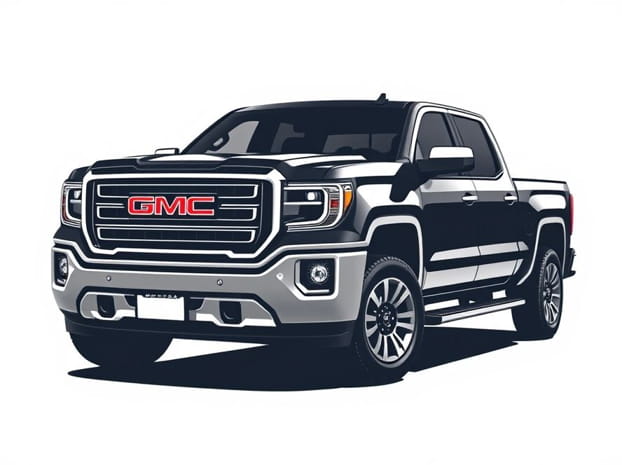
Gmc Sierra Hard Downshift
The GMC Sierra is a well-regarded full-size pickup truck known for its performance, reliability, and towing capabilities. However, some drivers have reported experiencing a hard downshift, a situation where the transmission shifts abruptly from a higher gear to a lower gear, causing a noticeable jolt or shock during acceleration or deceleration. Hard downshifting can be disconcerting, affecting driving comfort, vehicle control, and overall confidence on the road. Understanding the causes, symptoms, and solutions for hard downshifts in a GMC Sierra is essential for both safety and vehicle longevity.
Understanding Hard Downshifts
Hard downshifts occur when the transmission shifts too abruptly or forcefully between gears, creating a jerking sensation. In automatic transmissions, the shift should ideally be smooth and progressive, allowing the vehicle to adjust engine speed, torque, and wheel rotation seamlessly. When a downshift is hard, it can result in increased wear on transmission components, reduced fuel efficiency, and a less comfortable ride. Drivers may notice a sudden lurch forward or backward, accompanied by unusual engine or transmission noises.
Common Symptoms
Recognizing the signs of hard downshifting is the first step in addressing the issue. Common symptoms in the GMC Sierra include
- A sudden jolt when the transmission shifts from a higher gear to a lower gear.
- Delayed or erratic gear engagement, especially during acceleration or deceleration.
- Clunking, banging, or whining noises from the transmission.
- Poor acceleration or hesitation when attempting to pass or climb inclines.
- Illumination of the check engine or transmission warning light.
Potential Causes of Hard Downshifts
Several factors can contribute to hard downshifts in a GMC Sierra. Identifying the root cause is crucial for effective repair and prevention.
Transmission Fluid Issues
Low, dirty, or degraded transmission fluid is a common cause of hard shifting. Transmission fluid lubricates and cools the moving parts, enabling smooth gear transitions. Over time, fluid can break down or become contaminated, reducing its effectiveness and leading to abrupt shifts. Regular fluid checks and timely replacement are essential for maintaining smooth transmission performance.
Faulty Transmission Components
Worn or malfunctioning components such as solenoids, clutches, or bands can cause harsh downshifts. Solenoids control the flow of transmission fluid to various circuits, enabling gear engagement. If a solenoid fails, it may cause delayed or forceful shifts. Similarly, worn clutches and bands may not engage smoothly, leading to jerking or clunking during downshifts.
Software or Calibration Issues
Modern GMC Sierra models are equipped with electronically controlled transmissions. Transmission control modules (TCMs) manage gear shifts based on sensor inputs and programmed parameters. Software glitches or outdated calibration can result in abrupt shifts or improper downshift timing. Updating the vehicle’s software or reprogramming the TCM may resolve these issues.
Driver Behavior and Load Conditions
Sometimes, hard downshifts are influenced by driving habits or load conditions. Aggressive acceleration, towing heavy loads, or driving on steep inclines can trigger forceful downshifts as the transmission adjusts to increased demands. While this may not indicate a mechanical problem, consistent hard downshifts under normal driving conditions should be investigated.
Diagnosing Hard Downshifts
Proper diagnosis is critical to ensure that the correct repair is made. GMC Sierra owners experiencing hard downshifts should consider the following diagnostic steps
- Check transmission fluid level, condition, and color.
- Scan for diagnostic trouble codes (DTCs) using an OBD-II scanner.
- Inspect transmission components such as solenoids, clutches, and bands for wear or damage.
- Evaluate driving patterns and load conditions to determine if external factors are contributing.
- Consult a certified GMC technician for advanced diagnostics and electronic module evaluation.
Professional Inspection
Given the complexity of modern automatic transmissions, professional inspection is often recommended. Trained technicians can perform detailed assessments, including pressure tests, fluid analysis, and electronic diagnostics. This approach ensures that the underlying cause of hard downshifts is correctly identified and repaired, preventing further damage and improving vehicle performance.
Repair and Maintenance Solutions
Once the cause of hard downshifts is identified, several repair and maintenance solutions are available to restore smooth transmission operation.
Transmission Fluid Replacement
If fluid condition is the issue, a complete transmission fluid change using the manufacturer-recommended fluid can restore proper lubrication and smooth shifting. This should be performed at recommended intervals to maintain optimal transmission performance.
Component Replacement
Faulty solenoids, clutches, or bands may need to be replaced to eliminate hard shifts. Using genuine GMC parts ensures compatibility and long-term reliability. Technicians may also perform transmission rebuilds in cases of extensive wear or damage.
Software Updates and Reprogramming
For electronically controlled transmissions, updating the TCM software or recalibrating the module can resolve issues related to shift timing and responsiveness. GMC dealerships often provide these updates as part of routine maintenance or service campaigns.
Driving Adjustments
In some cases, modifying driving behavior can reduce the frequency of hard downshifts. Avoiding aggressive acceleration, maintaining moderate speeds, and reducing heavy loads when possible can minimize stress on the transmission and improve overall comfort.
Preventive Measures
Preventing hard downshifts in a GMC Sierra involves consistent maintenance and attention to driving conditions. Key preventive measures include
- Regularly checking and replacing transmission fluid according to manufacturer recommendations.
- Monitoring transmission performance and addressing early signs of slipping, jerking, or unusual noises.
- Following proper towing and load guidelines to avoid overtaxing the transmission.
- Keeping software and TCM updates current through authorized GMC service centers.
- Scheduling routine inspections with a certified technician to detect wear or potential problems early.
Hard downshifts in the GMC Sierra can impact driving comfort, safety, and transmission longevity. Understanding the causes, from fluid issues and worn components to software glitches and load-related factors, is essential for proper diagnosis and repair. By performing regular maintenance, monitoring performance, and consulting professional technicians when needed, owners can address hard downshifts effectively and maintain the smooth, reliable operation of their GMC Sierra. Preventive care, timely repairs, and informed driving practices ensure that the transmission performs optimally, enhancing the overall driving experience and extending the life of this capable full-size pickup truck.
Ultimately, a proactive approach to transmission health, including monitoring fluid levels, staying current with software updates, and addressing mechanical issues promptly, allows GMC Sierra drivers to enjoy a comfortable, safe, and efficient driving experience. Hard downshifts can be managed and prevented with attention to detail, proper maintenance, and the guidance of skilled professionals, ensuring that the GMC Sierra continues to deliver dependable performance for years to come.