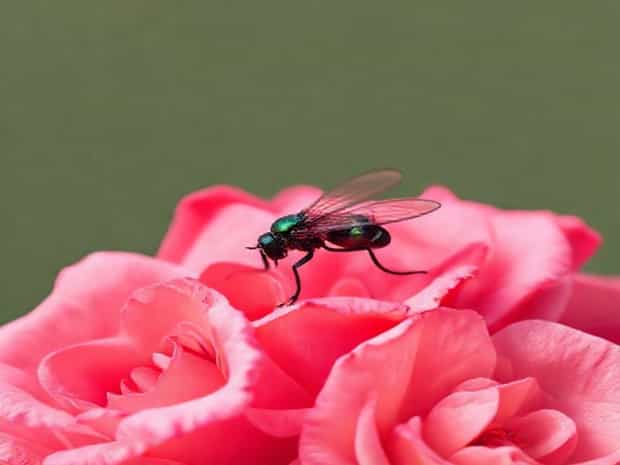
Get Rid Of Greenfly On Roses
Greenfly, also known as aphids, are a common pest that can quickly infest roses, damaging leaves, stems, and buds. These tiny insects feed on the sap of rose plants, weakening them, distorting new growth, and potentially spreading viral diseases. For gardeners, keeping roses healthy and vibrant means taking action to get rid of greenfly effectively. Understanding how to identify, prevent, and control these pests ensures your rose garden remains beautiful and thriving throughout the growing season.
Identifying Greenfly on Roses
Before taking steps to eliminate greenfly, it’s important to recognize their presence. Greenfly are small, usually less than 3mm in length, and can be bright green, yellow, or even pink. They often cluster on the underside of leaves, on new shoots, and around flower buds. Signs of an infestation include curling leaves, sticky honeydew on foliage, and the presence of black sooty mold, which grows on the honeydew produced by the insects.
Symptoms of Greenfly Damage
- Distorted or curling new growth.
- Yellowing leaves and stunted development.
- Sticky residue on leaves and stems.
- Presence of ants, attracted to the honeydew.
Early detection is crucial, as greenfly populations can multiply rapidly, leading to severe damage if left untreated. Regular inspection of your rose plants helps catch infestations before they become widespread.
Natural Methods to Control Greenfly
Many gardeners prefer using natural methods to get rid of greenfly, minimizing chemical use and protecting beneficial insects like bees and ladybirds. Several strategies can be effective for controlling aphids naturally.
Encouraging Beneficial Insects
Ladybirds, lacewings, and hoverflies are natural predators of greenfly. Attracting these insects to your garden can help keep aphid populations under control. Planting companion flowers such as marigolds, daisies, and fennel provides food and shelter for these beneficial insects.
Water Spray Method
A strong jet of water from a hose can dislodge greenfly from rose plants. Focus on the undersides of leaves and tender shoots where aphids cluster. Repeating this method regularly reduces the pest population without harming the plants or the environment.
Homemade Remedies
Several homemade sprays can help get rid of greenfly on roses. A simple mixture of water, a few drops of mild dish soap, and a teaspoon of vegetable oil can be sprayed directly onto affected areas. The soap suffocates the insects while the oil coats them, preventing survival. Always test a small section of the plant first to ensure the solution does not cause leaf damage.
Using Commercial Solutions
If natural methods are insufficient, commercial aphid sprays are available to control greenfly on roses. Choose products labeled safe for roses and follow the manufacturer’s instructions carefully. Insecticidal soaps and horticultural oils are effective and less harmful to beneficial insects than stronger chemical pesticides. Apply in the early morning or late evening to avoid harming pollinators.
Systemic Insecticides
For severe infestations, systemic insecticides can be used. These are absorbed by the plant and target aphids feeding on the sap. While highly effective, they should be used sparingly and according to guidelines to prevent harm to the environment and non-target insects.
Preventive Measures to Reduce Greenfly Infestation
Prevention is always better than cure. Implementing certain gardening practices can make your roses less attractive to greenfly and reduce the risk of future infestations.
Regular Pruning
Pruning roses encourages healthy growth and improves air circulation, making it harder for greenfly to establish colonies. Remove any infested shoots immediately and dispose of them away from the garden.
Healthy Soil and Fertilization
Strong, healthy plants are more resistant to pests. Use well-balanced fertilizers and organic compost to nourish roses, promoting vigorous growth. Avoid over-fertilizing with nitrogen, as it can lead to soft, lush growth that attracts aphids.
Companion Planting
Planting herbs and flowers such as garlic, chives, or nasturtiums near your roses can repel greenfly naturally. Companion planting not only discourages pests but also attracts beneficial insects that prey on aphids.
Monitoring and Early Action
Regularly inspecting your roses is key to preventing large-scale greenfly infestations. Check for aphids on new growth and under leaves at least once a week during the growing season. Early intervention allows for less aggressive and more environmentally friendly control measures.
Sticky Traps and Barriers
Yellow sticky traps can be placed near rose bushes to catch flying aphids and monitor population levels. Physical barriers, such as fine mesh netting, can also protect roses from aphids, particularly during peak infestation periods.
Maintaining a Greenfly-Free Rose Garden
Getting rid of greenfly requires a combination of control methods, preventive measures, and consistent monitoring. By creating a healthy environment for roses, encouraging beneficial insects, and using targeted sprays when necessary, gardeners can maintain a thriving, pest-free rose garden. Patience and diligence are important, as eliminating aphids completely may take repeated efforts over time.
Long-Term Strategies
- Rotate control methods to prevent aphids from developing resistance.
- Maintain plant health through proper watering, pruning, and fertilization.
- Encourage biodiversity in your garden to sustain natural predators.
- Keep records of infestations and treatments to identify patterns and improve management over time.
Greenfly can be a persistent problem for rose gardeners, but with careful management, they can be controlled effectively. Recognizing infestations early, using a combination of natural and chemical methods, and implementing preventive measures ensures healthy and vibrant roses. A proactive approach, combined with regular monitoring and maintenance, not only removes greenfly but also strengthens the overall resilience of your rose garden. By following these strategies, gardeners can enjoy beautiful blooms and minimize damage caused by these common pests.