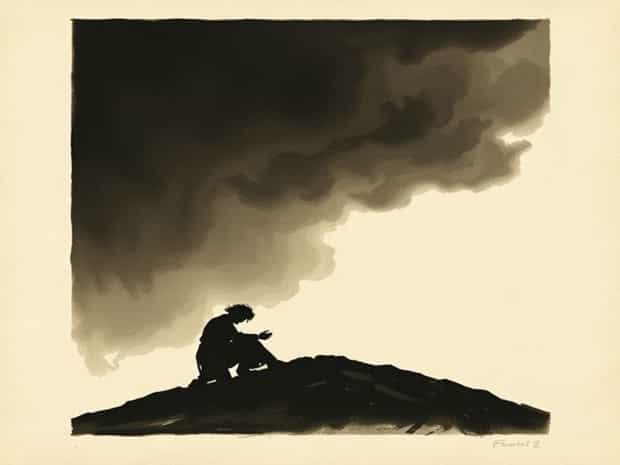
Francisco Goya Neoclassicism Or Romanticism
Francisco Goya is one of the most complex and influential figures in Western art history, whose work spans dramatic shifts in style and approach. Born in 1746 in Spain, Goya’s career developed during a time of significant political and social upheaval, which profoundly influenced his artistic output. Scholars and art enthusiasts often debate whether Goya should be classified as a Neoclassical or Romantic artist, as his work embodies elements of both movements, sometimes even within a single painting. Examining his life, commissions, and artistic innovations offers insight into this duality and reveals why Goya remains a pivotal figure in understanding the transition between these two major artistic periods.
Goya and the Neoclassical Influence
Neoclassicism emerged in the mid-18th century as a reaction to the ornate Rococo style, emphasizing simplicity, order, and adherence to classical ideals derived from Ancient Greece and Rome. Artists in this movement often focused on historical subjects, moral narratives, and restrained compositions. Goya’s early work, particularly his tapestry cartoons for the Royal Tapestry Factory in Madrid, reflects the influence of Neoclassical aesthetics. These pieces feature carefully organized compositions, bright colors, and an emphasis on daily life, which align with the Neoclassical pursuit of clarity and harmony.
Examples of Neoclassical Tendencies
Paintings such as The Parasol” (1777) demonstrate Goya’s engagement with orderly composition and classical balance. Although these works maintain a light-hearted tone, they reveal Goya’s careful attention to arrangement, symmetry, and the depiction of figures in a manner reminiscent of Neoclassical ideals. Furthermore, his royal commissions, such as the portraits of Charles IV and Maria Luisa of Parma, display a controlled elegance and formal composition characteristic of Neoclassical portraiture.
Goya and Romanticism
While Goya’s early works lean toward Neoclassical order, his later works reveal a stark engagement with Romantic principles. Romanticism emphasized emotion, individual experience, the sublime, and often a fascination with the irrational or grotesque. This shift is particularly evident in Goya’s series of prints and paintings that reflect the horrors of war, social critique, and the darker aspects of human nature.
Illustrations of Romantic Elements
The “Disasters of War” series (1810-1820) epitomizes Goya’s Romantic sensibilities. Unlike the structured compositions of his earlier works, these etchings present raw, chaotic scenes of suffering, death, and human cruelty during the Peninsular War. The stark realism, emotional intensity, and dramatic contrasts of light and shadow highlight Goya’s departure from Neoclassical restraint and his embrace of Romantic expressiveness.
Similarly, paintings such as “Saturn Devouring His Son” (1819-1823) and “The Third of May 1808” (1814) underscore Goya’s preoccupation with the sublime and the terrifying dimensions of human experience. These works feature exaggerated gestures, dramatic lighting, and a focus on psychological intensity, all hallmarks of Romanticism. In “The Third of May 1808,” for instance, the central figure illuminated by lantern light expresses both fear and defiance, capturing the emotional power and moral urgency that Romantic artists valued.
The Transition Between Neoclassicism and Romanticism
Goya’s oeuvre demonstrates that he cannot be confined strictly to one movement. His artistic trajectory illustrates the transition from Neoclassical formality to Romantic exploration of human emotion and psychological depth. This duality reflects the turbulent historical context of late 18th and early 19th century Spain, including political upheaval, the Inquisition, and the Napoleonic invasions.
Hybrid Characteristics
Even in his later Romantic works, traces of Neoclassical influence remain. Goya’s mastery of line, composition, and technical precision echo his training and early exposure to classical methods. For instance, “The Naked Maja” (circa 1797-1800) balances sensuous realism with a classical sense of proportion and structure, blending Neoclassical form with Romantic sensibility.
- Technical PrecisionGoya retained rigorous attention to detail and accurate rendering of human anatomy, a hallmark of Neoclassical training.
- Emotional ExpressionHis later works, however, imbue these figures with intense emotional resonance, characteristic of Romanticism.
- Dynamic CompositionIn paintings depicting violence or social critique, Goya employs dramatic compositions that evoke tension, fear, or awe, signaling his engagement with Romantic themes.
Impact on Art History
Goya’s fusion of Neoclassical and Romantic elements influenced generations of artists, including Impressionists, Expressionists, and modern painters interested in psychological depth and social critique. By bridging these movements, Goya created a body of work that both honors classical ideals and anticipates modern artistic concerns, making him an enduring figure in Western art.
Scholarly Debate
Art historians continue to debate Goya’s classification. Some argue that his early works justify labeling him a Neoclassical painter, while others contend that the emotional intensity and visionary nature of his later works solidify his status as a Romantic master. Many scholars ultimately describe him as a transitional figure whose career embodies the complexities of artistic evolution during a period of historical turbulence.
Francisco Goya’s work resists simple categorization into Neoclassicism or Romanticism. His early adherence to structured compositions and classical principles contrasts with the later exploration of emotion, horror, and psychological depth. By examining the full scope of his oeuvre from tapestry cartoons to the dark, haunting canvases of his later years we gain a richer understanding of how Goya navigated the shifting currents of European art. His ability to merge technical precision with profound emotional resonance ensures that Goya remains both a pivotal figure in the history of Neoclassicism and a seminal force in the development of Romanticism, bridging the gap between two influential artistic movements.