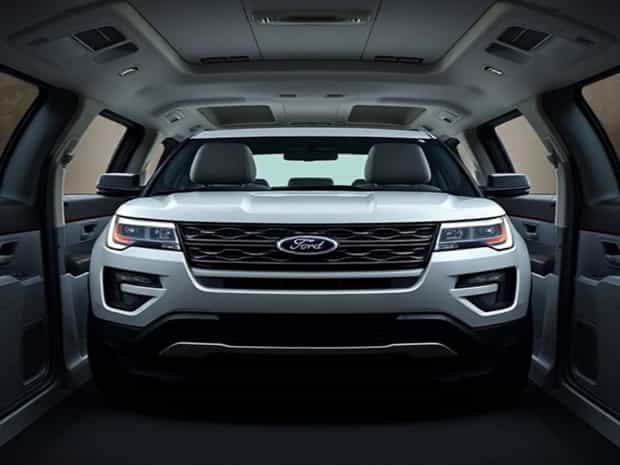
Ford Explorer 3Rd Row Legroom
The Ford Explorer has long been a popular choice among families and drivers who value space, comfort, and versatility in an SUV. One of the most discussed aspects of this vehicle is its third-row seating, particularly the legroom available for passengers. For many buyers, the usability of the third row can make or break the decision to purchase, especially if the SUV is intended to transport children, teenagers, or even adults during longer trips. Understanding the Ford Explorer’s third-row legroom is essential for comparing it with competitors and evaluating how well it meets the needs of modern drivers.
Overview of the Ford Explorer
The Ford Explorer has been on the market since the early 1990s and has evolved into a midsize SUV that emphasizes both comfort and capability. With seating for up to seven passengers, it is designed to accommodate larger families or groups. The third row is a key feature that differentiates the Explorer from two-row SUVs, but not all third rows are created equal. While some SUVs provide minimal space only suited for children, others, like the Explorer, attempt to balance accessibility, comfort, and legroom for a variety of passengers.
Ford Explorer Third Row Legroom Measurements
In the latest generations of the Ford Explorer, the third row offers around 32.2 inches of legroom. This measurement places it within a competitive range for midsize SUVs, but it is still more compact compared to the second row. While taller adults may find extended trips uncomfortable in the third row, the space is generally considered sufficient for children, teenagers, and shorter adults. The seat cushions are positioned to maximize comfort, and Ford has made improvements in recent years to make entering and exiting the third row easier.
Practicality of the Third Row
The practicality of the Ford Explorer’s third row depends heavily on how it is used. For families, the space is highly functional, especially when transporting children who do not require as much legroom. On shorter trips, even adults can make use of the seating without significant discomfort. However, for long-distance travel, the third row is best reserved for younger passengers.
- Short tripsComfortable for children and adults under average height.
- Daily usePerfect for carpooling or transporting extra family members.
- Long tripsMore suitable for kids and teens rather than tall adults.
Comparison with Other SUVs
When looking at third-row legroom, the Ford Explorer holds its own but is not the leader in the segment. Competitors like the Chevrolet Traverse and Volkswagen Atlas offer slightly more space in the third row, often exceeding 33 or 34 inches. On the other hand, SUVs like the Toyota Highlander and Honda Pilot fall closer to the Explorer in terms of legroom, meaning the Explorer is positioned competitively within its class.
This balance makes the Explorer a well-rounded option for buyers who want third-row seating without upgrading to a larger full-size SUV. Its legroom figures may not lead the market, but they remain practical for most families who only occasionally need all seven seats filled.
Comfort Features Enhancing Third-Row Use
Beyond just legroom, comfort in the third row of the Ford Explorer is supported by additional features. These include
- Rear climate control vents for temperature comfort.
- USB charging ports in some trims to keep devices powered.
- Folding mechanisms that allow the third row to be adjusted or collapsed for cargo needs.
- Cushioning and seat angle adjustments designed to maximize available space.
These details make the third row more inviting for passengers, even if the legroom is somewhat limited compared to larger SUVs.
Accessing the Third Row
Another important consideration is how easily passengers can reach the third row. In the Ford Explorer, the second row is designed to slide and tilt forward, creating a wider entry path. This makes it less of a struggle for children and even adults to access the rear seats. The convenience of access is often overlooked when comparing SUVs, but it adds significant value for families who will use the third row frequently.
Cargo Space with the Third Row in Use
One common trade-off with SUVs featuring third-row seating is the loss of cargo space when the seats are in use. The Ford Explorer provides a modest cargo area behind the third row, offering about 18.2 cubic feet. While this is enough for groceries or small luggage, families planning long trips may need to fold down the third row for additional storage. The flexibility of folding the seats flat, however, ensures the vehicle adapts to a wide range of needs.
Who Benefits Most from the Third Row
The Ford Explorer’s third-row legroom makes it particularly appealing to specific groups of drivers and passengers
- Families with childrenIdeal for families with kids who require less legroom but benefit from having their own seating area.
- CarpoolersExcellent for those who need occasional extra seating for school or work commutes.
- Travelers with gearFlexible for groups who may alternate between carrying passengers and large amounts of cargo.
For these groups, the balance of legroom, comfort, and flexibility makes the Explorer a strong choice among midsize SUVs.
Tips for Maximizing Third-Row Comfort
If you plan to use the third row frequently, there are ways to enhance comfort and practicality
- Use the second row wisely, as sliding it forward slightly can increase legroom for third-row passengers.
- Reserve the third row for children or smaller adults on long journeys.
- Take advantage of rear climate controls to keep the back of the cabin comfortable.
- Encourage passengers to pack lightly when all three rows are in use to maximize cargo space.
The Ford Explorer’s third-row legroom represents a practical balance between comfort and functionality in a midsize SUV. While not the most spacious in its class, the 32.2 inches of legroom offered is more than enough for children and smaller adults, making it suitable for family life, commuting, and occasional travel with a full passenger load. Combined with features like climate control vents, charging ports, and flexible seating arrangements, the third row remains a valuable part of the Explorer’s appeal. For buyers who prioritize versatility without upgrading to a full-size SUV, the Ford Explorer continues to stand out as a well-rounded option that successfully blends comfort with practicality.