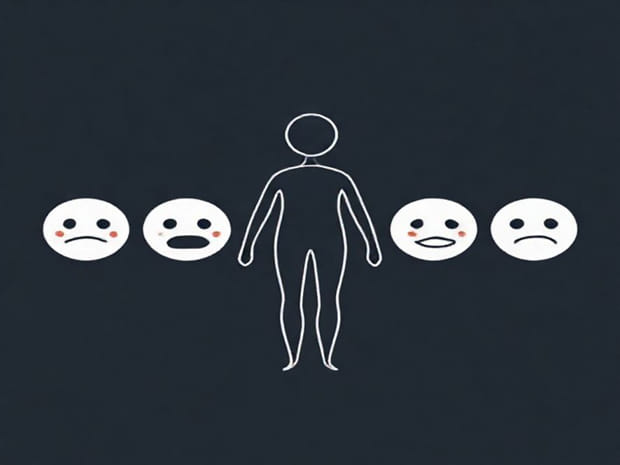
Emotions Mapped In The Body
Emotions are not just abstract experiences confined to the mind; they are deeply intertwined with our physical bodies. Scientists and psychologists have long studied the ways in which emotional states manifest as physical sensations, affecting different areas of the body. Understanding how emotions are mapped in the body can help individuals manage stress, improve mental health, and foster a greater awareness of the mind-body connection. This concept highlights the profound link between our psychological experiences and physiological responses, offering insight into how feelings like joy, fear, anger, or sadness influence our bodily systems.
Understanding the Mind-Body Connection
The mind-body connection refers to the intricate relationship between our mental state and physical health. Emotions trigger biochemical changes, including the release of hormones such as cortisol, adrenaline, and oxytocin. These chemical shifts affect muscle tension, heart rate, respiration, and digestive processes. For example, fear may increase adrenaline, causing the heart to race and muscles to tighten, while sadness might lead to a sense of heaviness in the chest and fatigue in the limbs.
Scientific Mapping of Emotions
Recent research has focused on mapping emotions onto specific bodily regions to better understand how feelings are experienced physically. A notable study published in 2013 by Finnish researchers used body-mapping techniques to identify how different emotions are felt across the human body. Participants were asked to color areas of the body where they experienced heightened or diminished activity when feeling certain emotions. The results showed consistent patterns among individuals, indicating that emotions are reliably associated with specific physical sensations.
Common Emotions and Their Bodily Sensations
Happiness and Joy
Happiness often produces sensations of lightness and energy throughout the body. People commonly report warmth in the chest, relaxation in the shoulders, and an overall sense of vitality. Positive emotions stimulate the release of endorphins and dopamine, enhancing mood and promoting physical comfort.
Sadness and Grief
Sadness tends to be associated with heaviness or tightness in the chest, a drooping posture, and reduced energy in the limbs. The body may feel sluggish, and breathing can become shallow. Prolonged sadness can impact digestion and sleep patterns, reflecting the interconnectedness of emotional and physical health.
Fear and Anxiety
Fear often triggers a fight or flight” response, leading to heightened activity in the heart, rapid breathing, and tense muscles, particularly in the shoulders and legs. Anxiety can cause stomach discomfort, sweaty palms, and a general sense of restlessness. These physiological responses prepare the body to respond to perceived threats but can become problematic when experienced chronically.
Anger and Frustration
Anger frequently manifests as tension in the jaw, neck, and shoulders, along with a rapid heartbeat and increased blood pressure. Some people feel heat in the face or fists, reflecting the body’s readiness to act aggressively. Chronic anger can lead to long-term cardiovascular issues if not managed effectively.
Surprise and Excitement
Emotions such as surprise or excitement trigger quick, sharp physiological reactions. Heart rate and breathing may spike momentarily, and the body often feels energized or alert. These reactions prepare individuals to respond rapidly to unexpected situations, reflecting the body’s innate adaptive mechanisms.
Practical Applications of Emotion Mapping
Understanding how emotions are mapped in the body has practical applications in therapy, mindfulness, and stress management. Techniques such as body scanning, yoga, and somatic experiencing allow individuals to tune into physical sensations associated with emotions. Recognizing these bodily signals can help manage emotional responses, reduce stress, and improve overall well-being.
Mindfulness and Body Awareness
Mindfulness practices emphasize awareness of the present moment, including bodily sensations. By paying attention to how emotions manifest physically, individuals can develop better emotional regulation. For instance, noticing tension in the shoulders during stress can prompt relaxation techniques, preventing escalation into anxiety or anger.
Somatic Therapy
Somatic therapy integrates the awareness of bodily sensations with psychological treatment. Therapists guide clients to explore how emotions are felt in the body, helping release stored tension and trauma. This approach highlights that unresolved emotions can remain physically embedded and that addressing the body is essential for emotional healing.
Stress Reduction and Emotional Health
Mapping emotions in the body also aids in stress reduction. Techniques like deep breathing, progressive muscle relaxation, and mindful movement target specific areas where emotional tension is concentrated. Understanding the physical correlates of emotions allows individuals to proactively manage their health, reducing the risk of stress-related illnesses.
Emotions are intricately mapped in the body, influencing various physiological systems in complex and predictable ways. Happiness, sadness, fear, anger, and surprise each leave distinct imprints on bodily sensations, reflecting the deep interconnection between mind and body. Recognizing these patterns empowers individuals to cultivate self-awareness, regulate emotional responses, and improve overall well-being. As research continues to explore the physical dimensions of emotional experience, the insights gained offer promising avenues for therapy, mindfulness practices, and holistic health approaches, illustrating that emotions are not just felt in the mind but lived throughout the body.