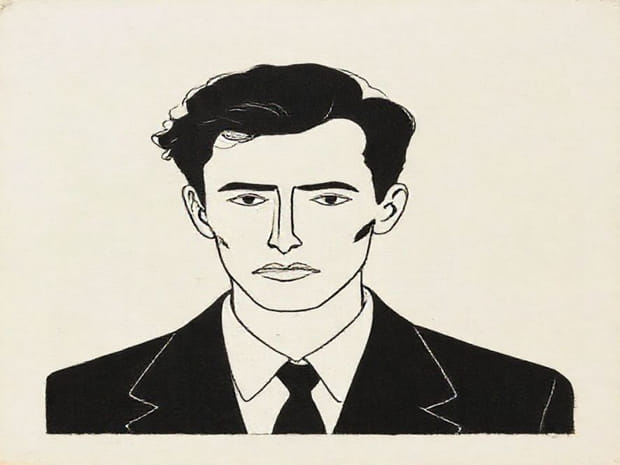
Egon Schiele Self Portrait
The world of modern art is full of daring figures, but few are as bold and emotionally raw as Egon Schiele. Known for his intense style, elongated figures, and fearless exploration of human psychology, Schiele produced a series of self-portraits that remain some of the most striking works of the early 20th century. His self-portrait paintings were not merely exercises in representation but reflections of his identity, inner struggles, and artistic philosophy. To study an Egon Schiele self portrait is to step into the mind of an artist who refused to conform to tradition and instead reshaped the way the human form was seen in art.
The Role of Self-Portraiture in Schiele’s Career
Self-portraits were central to Egon Schiele’s artistic output. Unlike many artists who used self-portraiture occasionally, Schiele turned the genre into a core theme of his work. He painted and sketched himself repeatedly, experimenting with expression, distortion, and symbolism. His self-portraits often conveyed vulnerability, sexuality, and existential anxiety, making them far more than straightforward likenesses. They became explorations of identity and the human condition.
Beyond Representation
For Schiele, a self-portrait was not about looking handsome or flattering the artist. Instead, it was about truth, intensity, and revealing inner conflict. His sharp lines, twisted postures, and striking colors were deliberate attempts to show the psychological side of his being. In this sense, his self-portraits anticipated modern psychological art and remain relevant in contemporary discussions about self-expression.
Distinctive Features of Egon Schiele’s Self Portraits
Every Egon Schiele self portrait shares recognizable traits that make his work instantly identifiable. The following characteristics appear again and again in his artistic practice.
- Elongated BodiesHis figures, including himself, are often stretched unnaturally, emphasizing fragility or tension.
- Expressive HandsSchiele frequently exaggerated his hands and fingers, turning them into symbols of energy, struggle, or desire.
- Gaunt FacesHis face often appears skeletal, with hollow eyes and sharp cheekbones, highlighting vulnerability.
- Bold ColorsStark contrasts of ochres, greens, and earthy tones intensify the mood of the paintings.
- Unusual PosesRather than standing straight, he twisted his body in angular, uncomfortable postures that conveyed emotional unease.
The Psychological Dimension
One of the reasons Schiele’s self-portraits remain powerful is their psychological impact. Instead of portraying himself as a confident artist, Schiele often depicted his insecurities, anxieties, and darker thoughts. Viewers see not only his appearance but also his inner turmoil. This honesty was radical in a time when art often focused on idealized beauty.
Self as Subject
By making himself the subject, Schiele could experiment without constraints. He became both artist and model, allowing total freedom to explore themes of mortality, desire, and identity. His works often blur the line between self-examination and confession, making them deeply personal yet universally resonant.
Comparison with Other Artists
To appreciate the uniqueness of an Egon Schiele self portrait, it helps to compare his approach with that of other artists. For example, his mentor Gustav Klimt created sensual and decorative works, but Schiele took that sensuality and stripped it of ornamentation, exposing raw human emotion. Compared to Vincent van Gogh, another master of expressive self-portraiture, Schiele’s work is harsher and more confrontational. His portraits did not seek sympathy but instead challenged viewers to face discomfort.
Symbolism in Schiele’s Self-Portraits
Schiele’s art is filled with symbolism. His angular poses and skeletal features often symbolize decay and mortality, while his use of nudity reflects vulnerability and honesty. Colors play symbolic roles as well earthy tones evoke grounding and suffering, while greens and yellows sometimes suggest sickness or unrest. His hands, repeatedly emphasized, symbolize creativity but also struggle, as if they embody the tension between artistic power and human fragility.
The Role of the Body in Schiele’s Work
The human body was Schiele’s primary canvas for expressing emotion. In his self-portraits, he used his own body as a subject to test the boundaries of form and expression. His distorted anatomy conveyed psychological states rather than physical reality. For him, the body was a language, and his self-portraits were conversations with himself.
Nudity and Vulnerability
Many of Schiele’s self-portraits feature nudity, which was controversial at the time. Instead of idealized beauty, he presented the body with flaws, tension, and vulnerability. This raw approach highlighted his commitment to truth rather than convention.
Impact and Legacy of Schiele’s Self-Portraits
Schiele’s self-portraits have had a profound influence on modern and contemporary art. They paved the way for artists to use self-portraiture as a form of psychological exploration rather than mere likeness. Today, his works are celebrated in galleries and continue to inspire discussions about identity, vulnerability, and the role of the artist.
Influence on Later Artists
Many contemporary artists, particularly those interested in expressionism, performance art, and identity politics, draw inspiration from Schiele’s honesty. His willingness to confront difficult emotions in his art resonates with modern viewers who seek authenticity in creative expression.
Famous Examples of Egon Schiele Self Portraits
Schiele created many variations of self-portraits, each carrying its own distinct message. Some of the most recognized include
- Self-Portrait with Hands on ChestA striking image emphasizing his skeletal frame and expressive hands.
- Self-Portrait as Saint SebastianA symbolic representation linking himself to martyrdom and suffering.
- Nude Self-PortraitsBold depictions that challenge traditional norms of modesty and aesthetics.
Each of these works demonstrates his ability to push boundaries and present the self as more than physical appearance it becomes an emblem of human struggle.
The Timelessness of Schiele’s Vision
Although Schiele’s life was tragically short he died at only 28 during the Spanish flu pandemic his legacy endures. His self-portraits continue to feel modern because they address universal themes identity, mortality, desire, and truth. In today’s culture, where self-representation is central through photography and social media, his works feel even more relevant. They remind us that self-portraits can reveal more than appearances; they can expose the soul.
An Egon Schiele self portrait is more than a painting of an artist’s face or body. It is an exploration of psychology, vulnerability, and human existence. Through elongated figures, bold colors, and symbolic gestures, Schiele transformed self-portraiture into a mirror of the soul. His works challenge viewers, asking them to confront discomfort and reflect on their own identities. For this reason, Schiele’s self-portraits remain powerful and enduring contributions to the history of art, continuing to inspire artists and captivate audiences more than a century after their creation.