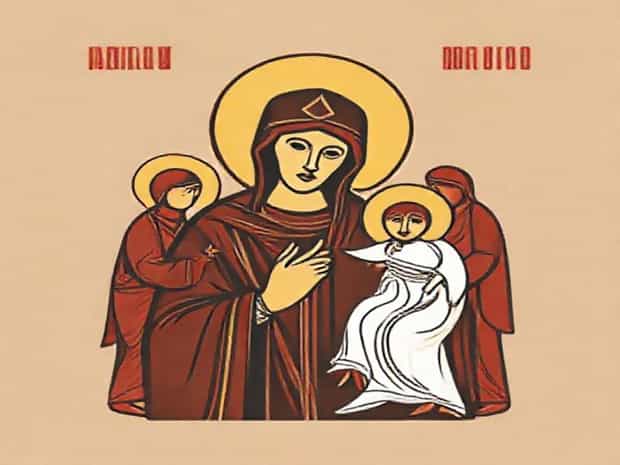
Eastern Orthodox Veneration Of Icons
The Eastern Orthodox tradition holds a unique and profound reverence for icons, which are considered windows into the divine and integral to both personal devotion and communal worship. Icons are not merely decorative images but sacred representations that serve as a means of spiritual encounter, teaching, and prayer. The veneration of icons has a rich theological foundation, historical development, and liturgical significance that differentiates it from mere idolatry. Understanding this practice requires exploring its history, doctrinal basis, liturgical role, and impact on Orthodox spirituality and culture.
Historical Development of Icon Veneration
The veneration of icons in the Eastern Orthodox Church has deep roots that trace back to the early centuries of Christianity. As Christianity spread through the Byzantine Empire, the use of visual imagery became increasingly important in teaching and expressing the faith to largely illiterate populations. Icons of Christ, the Theotokos (Mother of God), saints, and biblical scenes were created to communicate spiritual truths, inspire devotion, and serve as focal points for prayer.
Early Christian Art and Iconography
During the first few centuries of the Church, Christians used symbolic images such as the fish, anchor, and Chi-Rho to represent faith discreetly. With the legalization of Christianity under Emperor Constantine in the 4th century, more explicit representations of Christ, the Virgin Mary, and saints emerged. These early icons were designed to teach the faithful about biblical stories, moral lessons, and the lives of the saints, establishing a visual catechesis that complemented scripture and oral teaching.
The Iconoclastic Controversy
The 8th and 9th centuries witnessed the Iconoclastic Controversy, a significant period when the veneration of icons was hotly contested within the Byzantine Empire. Iconoclasts argued that the use of images violated the commandment against idolatry, while iconodules defended their spiritual and theological significance. The controversy concluded with the Triumph of Orthodoxy in 843, which affirmed the veneration of icons as an essential practice within Eastern Orthodoxy. This event is still commemorated annually in the Orthodox Church and underscores the enduring importance of icons.
Theological Basis for Icon Veneration
The veneration of icons is grounded in Orthodox theology, which distinguishes between worship due to God alone and veneration given to holy images. Icons are honored, kissed, and prayed before, but they are not worshipped as gods themselves. Instead, they serve as conduits through which the faithful connect to the spiritual realities they depict.
Distinction Between Veneration and Worship
In Orthodox theology, the terms used are preciselatreiarefers to the worship given only to God, whereasduliaorproskynesisrefers to veneration offered to saints and holy images. This distinction ensures that the reverence given to icons does not contradict the first commandment but rather enhances spiritual focus and devotion by pointing believers toward the divine presence.
Incarnation and the Legitimacy of Icons
The theological justification for icons is closely linked to the doctrine of the Incarnation. Because God became human in the person of Jesus Christ, the divine can be depicted in material form. Christ’s human nature allows artists to represent Him visually, and these representations help believers contemplate His life, teachings, and salvific work. Similarly, icons of saints depict the transformative power of grace and serve as reminders of holiness accessible to all Christians.
Liturgical and Devotional Role of Icons
Icons occupy a central place in both the liturgical life of the Church and personal devotion. They are present in churches, homes, and sacred spaces, providing a visual focus for prayer, contemplation, and the celebration of feasts.
Church Architecture and Iconography
Eastern Orthodox churches are adorned with icons arranged according to a specific hierarchy. The iconostasis, a screen of icons separating the sanctuary from the nave, features prominent images of Christ, the Theotokos, and key saints. Icons of biblical scenes, angels, and historical saints decorate walls, ceilings, and domes. This arrangement transforms the church into a sacred space where the faithful are constantly reminded of the heavenly reality that surrounds them.
Personal Devotion and Prayer
Icons also play a crucial role in private devotion. Believers pray before icons at home, light candles, and use them as a means of focusing their minds and hearts on God and the saints. This practice nurtures a sense of spiritual presence, continuity, and personal connection with the divine, making faith tangible in everyday life.
Feasts and Liturgical Celebrations
During feast days, icons are often carried in processions, venerated with incense, and kissed by the faithful. Such practices reinforce communal bonds, express reverence for the sacred, and celebrate the lives of Christ, the Virgin Mary, and the saints. Icons thus function as both educational tools and living instruments of worship.
Iconographic Style and Symbolism
Orthodox icons are highly stylized and follow strict artistic conventions to convey spiritual truths rather than realistic portrayals. Every element, from color choice to gesture, carries symbolic meaning.
Symbolism and Spiritual Language
Colors in icons are chosen for their spiritual significance gold represents divine light, blue symbolizes heavenly reality, and red indicates martyrdom or the Holy Spirit. Figures are often frontal and elongated to convey transcendence, while gestures such as blessing or holding scrolls communicate theological messages. This symbolic language allows believers to engage deeply with the spiritual realities behind the physical representation.
Icon as a Medium of Contemplation
The stylized nature of icons is intended to facilitate meditation and contemplation. Believers do not simply observe the image but are invited to enter a spiritual dialogue through prayer, reflection, and veneration. Icons are thus both educational and transformative, guiding the faithful toward a deeper understanding of God and holiness.
Impact on Orthodox Spirituality and Culture
The veneration of icons has shaped Eastern Orthodox spirituality, liturgy, and culture for centuries. Icons serve as visual theology, teach biblical and hagiographical narratives, and maintain continuity of faith through generations. They also foster communal identity, reminding believers of their connection to the Church, tradition, and the communion of saints.
Education and Transmission of Faith
Icons function as teaching tools, particularly in historical contexts where literacy was limited. They communicate essential truths about Christ, the Virgin Mary, and the saints, transmitting the faith visually and ensuring that theological and moral lessons are accessible to all members of the Church.
Artistic and Cultural Legacy
Eastern Orthodox iconography has inspired countless artists, influencing the visual culture of the Byzantine and post-Byzantine world. It continues to impact contemporary religious art, serving as a testament to the enduring power of visual imagery in shaping spiritual and communal life.
The Eastern Orthodox veneration of icons is a deeply theological and spiritually enriching practice that transcends mere decoration. Rooted in the Incarnation, supported by centuries of theological reflection, and integrated into both liturgical and personal devotion, icons serve as windows into the divine, guiding believers toward prayer, contemplation, and holiness. By understanding their historical development, theological foundations, and symbolic language, one can appreciate the profound role icons play in Eastern Orthodox spirituality. Far from idolatry, the veneration of icons reinforces faith, nurtures personal and communal devotion, and preserves the rich cultural and spiritual heritage of the Orthodox Christian tradition.