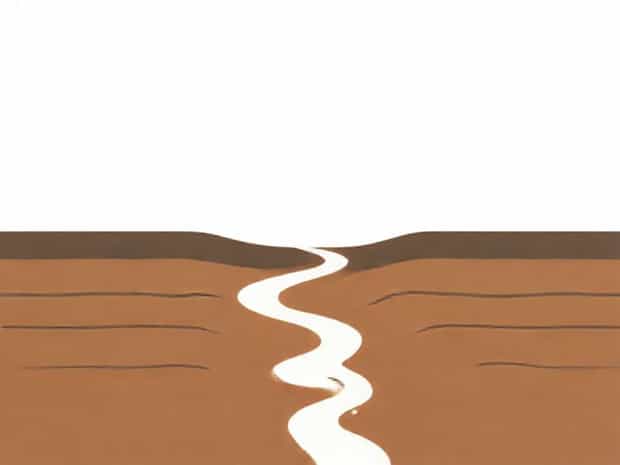
Difference Between Rill And Gully Erosion
Soil erosion is one of the most pressing environmental challenges affecting agriculture, infrastructure, and natural ecosystems worldwide. Among the various types of soil erosion, rill and gully erosion are particularly significant because they can drastically alter the landscape, reduce soil fertility, and increase sedimentation in nearby water bodies. Understanding the difference between rill and gully erosion is essential for farmers, environmentalists, and policymakers to implement effective soil conservation strategies. Both types of erosion are caused primarily by the movement of water, but they differ in scale, formation process, and impact on land management.
Understanding Rill Erosion
Rill erosion occurs when runoff water concentrates in small channels on the surface of a sloped area, creating tiny grooves known as rills. These channels are typically less than 30 centimeters deep, making them relatively easy to manage with conventional farming equipment. Rill erosion usually develops on bare or poorly vegetated soils where the protective cover of vegetation is insufficient to prevent water flow from displacing soil ptopics. Although small in size, rills can serve as initial pathways for water, eventually contributing to larger forms of erosion if left untreated.
Causes of Rill Erosion
- Heavy rainfall or intense storms causing high runoff velocity.
- Poor soil structure or compaction, which reduces infiltration.
- Lack of vegetation cover, leaving soil exposed to direct water impact.
- Steep slopes that accelerate water flow across the land.
Characteristics of Rill Erosion
- Small, narrow channels that are usually shallow.
- Occurs on cultivated or bare lands, especially during rainy seasons.
- Channels can be smoothed out with normal farming operations such as plowing.
- Often serves as an early warning sign of more severe erosion problems.
Understanding Gully Erosion
Gully erosion, on the other hand, is a more advanced and destructive form of water erosion. It occurs when rills expand over time and concentrate runoff water, forming deep and wide channels known as gullies. Gullies are usually more than 30 centimeters deep and can extend for several meters, making them difficult to cross and nearly impossible to remove through ordinary agricultural practices. Gully erosion not only reduces the available farmland but also increases sedimentation in rivers and dams, posing serious environmental and economic concerns.
Causes of Gully Erosion
- Prolonged or intense rainfall that generates high-volume runoff.
- Soil with poor cohesion, such as sandy or silty soils.
- Deforestation or removal of vegetation that stabilizes the soil.
- Human activities like overgrazing, construction, and improper drainage.
Characteristics of Gully Erosion
- Deep, wide channels that are often permanent.
- Significant loss of fertile topsoil and farmland area.
- Difficult to remediate without engineering interventions such as check dams or terraces.
- Gullies can alter drainage patterns and contribute to downstream flooding.
Key Differences Between Rill and Gully Erosion
Although rill and gully erosion share a common cause water runoff they differ significantly in scale, severity, and management methods. Understanding these differences is crucial for implementing appropriate soil conservation techniques.
Size and Depth
Rill erosion forms small channels that are shallow and narrow, generally less than 30 centimeters deep. In contrast, gully erosion forms large, deep channels exceeding 30 centimeters, often making affected land unusable for agricultural purposes.
Formation Process
Rills typically develop on a slope during initial stages of erosion and may coalesce to form larger gullies if the conditions persist. Gullies, however, are the result of prolonged erosion where water runoff concentrates and intensifies soil displacement over time.
Impact on Land Use
Rill erosion can often be corrected or minimized through routine farming practices like plowing or contour farming. Gully erosion, by comparison, requires substantial intervention, such as constructing check dams, planting vegetation, or terracing, to prevent further land degradation.
Visibility and Accessibility
Rills are usually small enough that they are visible but do not obstruct movement across farmland. Gullies are highly visible, often forming large trenches that can obstruct vehicles and livestock, significantly affecting the usability of land.
Preventive Measures
- For rill erosion maintaining soil cover with crops or mulch, contour plowing, and proper drainage management.
- For gully erosion reforestation, check dams, grassed waterways, terracing, and controlled grazing.
Environmental and Economic Implications
Both rill and gully erosion contribute to environmental degradation, but gully erosion has a far more severe impact. Soil loss reduces agricultural productivity, while sediment runoff can clog rivers and reservoirs, affecting water quality and increasing the risk of flooding. Economically, rill erosion may lead to minor yield losses, but gully erosion can result in significant financial burdens due to land restoration costs and reduced farm income.
Understanding the difference between rill and gully erosion is vital for effective soil conservation and sustainable land management. While rill erosion represents an early and relatively manageable stage of soil loss, gully erosion indicates a more severe and permanent form of degradation. Both types of erosion highlight the importance of protecting soil through vegetation, proper land management, and engineering solutions. By recognizing the characteristics, causes, and consequences of each type, farmers and policymakers can implement targeted strategies that preserve soil health, maintain agricultural productivity, and protect the environment.
while rill and gully erosion share a common mechanism water-induced soil displacement their scale, severity, and impact differ greatly. Early detection and timely intervention for rills can prevent the formation of gullies, saving valuable farmland and resources. Comprehensive understanding and management of these erosion types are key to sustaining soil fertility, preventing environmental degradation, and supporting long-term agricultural productivity.