Difference Between Amorphous And Crystalline Polymers
Polymers are essential materials in modern life, found in everything from plastic bottles to high-performance engineering components. Understanding the difference between amorphous and crystalline polymers is crucial for anyone studying materials science, polymer chemistry, or working in industries that rely on plastic and synthetic materials. These two types of polymers differ significantly in their internal structure, mechanical properties, thermal behavior, and applications. While both are made up of long chains of repeating molecular units, the way these chains are organized determines whether a polymer is amorphous or crystalline. This structural difference has a profound impact on the material’s performance and suitability for various uses.
What Are Amorphous Polymers?
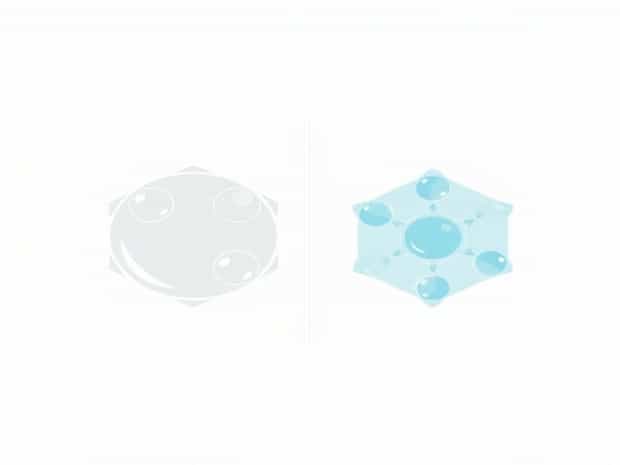
Amorphous polymers are materials in which the polymer chains are arranged randomly and lack a defined, long-range order. Unlike crystalline polymers, amorphous polymers do not have a regular, repeating structure, which results in a disordered molecular arrangement. This irregularity affects many physical properties of the polymer, including transparency, flexibility, and response to heat.
Characteristics of Amorphous Polymers
- Random Molecular ArrangementThe polymer chains are tangled and irregular, preventing the formation of a crystalline lattice.
- TransparencyMany amorphous polymers, such as polystyrene and polycarbonate, are naturally transparent because light can pass through without significant scattering.
- Softening Rather Than MeltingAmorphous polymers gradually soften over a temperature range rather than having a sharp melting point.
- FlexibilityThe lack of crystalline regions allows these polymers to be more flexible and less brittle than crystalline polymers in certain conditions.
- Lower DensityBecause the chains are not tightly packed, amorphous polymers generally have lower density than crystalline polymers.
Examples of Amorphous Polymers
Common examples include polystyrene (PS), polymethyl methacrylate (PMMA), polycarbonate (PC), and polyvinyl chloride (PVC). These polymers are widely used in applications that require transparency, impact resistance, or ease of molding, such as lenses, containers, and protective screens.
What Are Crystalline Polymers?
Crystalline polymers, in contrast, have a highly ordered molecular structure where polymer chains are aligned in a regular, repeating pattern. This arrangement forms crystalline regions within the material, which are interspersed with amorphous regions. The degree of crystallinity directly affects the polymer’s mechanical strength, chemical resistance, and thermal behavior.
Characteristics of Crystalline Polymers
- Ordered Molecular ArrangementPolymer chains fold and pack in a regular lattice, creating highly structured crystalline regions.
- OpacityCrystalline polymers often appear opaque because the crystalline regions scatter light.
- Distinct Melting PointUnlike amorphous polymers, crystalline polymers have a sharp melting point at which the ordered structure breaks down.
- High Strength and StiffnessThe strong intermolecular forces in crystalline regions provide rigidity and mechanical strength.
- Higher DensityTightly packed chains result in a denser material compared to amorphous polymers.
Examples of Crystalline Polymers
Examples include polyethylene (PE), polypropylene (PP), polyoxymethylene (POM), and nylon (polyamide). These materials are often used in engineering applications, such as automotive parts, industrial containers, and mechanical components, where strength, durability, and chemical resistance are essential.
Comparing Amorphous and Crystalline Polymers
Understanding the differences between amorphous and crystalline polymers is critical for selecting the right material for a specific application. While both types share the fundamental polymer structure, their properties diverge due to the arrangement of their molecular chains.
Structural Differences
- Amorphous PolymersRandomly arranged chains, no long-range order.
- Crystalline PolymersHighly ordered chains forming regular lattice structures.
Thermal Properties
- AmorphousGradual softening over a temperature range (glass transition temperature, Tg).
- CrystallineSharp melting point (Tm) due to breakdown of ordered regions.
Mechanical Properties
- AmorphousMore flexible, less brittle, lower tensile strength.
- CrystallineStronger, stiffer, more resistant to deformation.
Optical Properties
- AmorphousTypically transparent or translucent.
- CrystallineUsually opaque or cloudy.
Processing Considerations
Amorphous polymers are easier to mold and shape due to their gradual softening and flexibility, making them ideal for complex forms. Crystalline polymers require careful temperature control during processing to avoid defects but provide superior performance in structural applications.
Applications Based on Polymer Type
The choice between amorphous and crystalline polymers depends heavily on the intended application. Designers and engineers consider factors such as transparency, mechanical strength, thermal resistance, and chemical durability when selecting a polymer.
Amorphous Polymer Applications
- Optical lenses and protective screens
- Packaging materials requiring clarity
- Flexible tubing and consumer goods
- Electronic casings where impact resistance is needed
Crystalline Polymer Applications
- Automotive and industrial parts
- High-strength containers and piping
- Mechanical components such as gears and bearings
- Textiles and fibers like nylon for durability
The difference between amorphous and crystalline polymers lies primarily in their internal structure, which influences their thermal, mechanical, optical, and processing properties. Amorphous polymers offer flexibility, transparency, and ease of molding, while crystalline polymers provide strength, stiffness, and chemical resistance. Both types have unique advantages and are chosen based on specific application requirements. Understanding these differences allows engineers, scientists, and manufacturers to optimize material performance, achieve better product quality, and develop innovative solutions in industries ranging from packaging and electronics to automotive and healthcare. Whether one prioritizes transparency and flexibility or strength and durability, knowing the distinction between amorphous and crystalline polymers is essential for making informed material choices in today’s technologically advanced world.
By considering the molecular arrangement, thermal behavior, and mechanical properties, professionals can select the most suitable polymer type for their specific needs. Advances in polymer science continue to expand the potential applications of both amorphous and crystalline polymers, making them indispensable in modern materials engineering and everyday products.