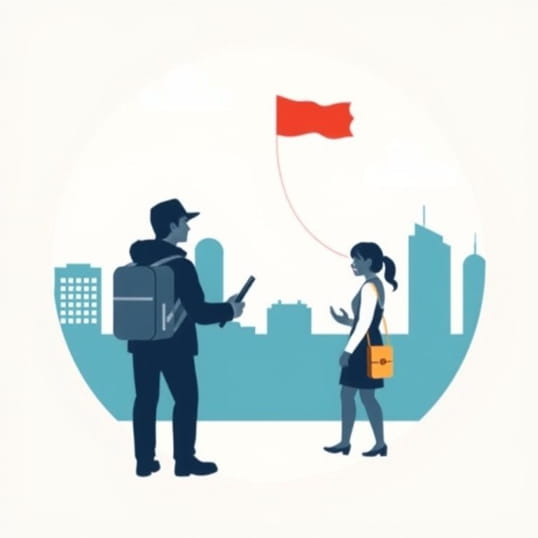
Defensive Foreign Travel Briefing
Traveling abroad can be exciting, but it also comes with potential risks that many people may not consider. A defensive foreign travel briefing is a structured guide that prepares individuals to recognize, avoid, and respond to threats while overseas. These briefings are especially important for government employees, business professionals, journalists, and even students who are traveling internationally. By understanding safety procedures and cultural awareness, travelers can protect themselves while still enjoying the benefits of international experiences.
What is a Defensive Foreign Travel Briefing?
A defensive foreign travel briefing is an informational session or document provided before international travel to prepare individuals for potential security and safety risks. Unlike general travel advice, this type of briefing focuses specifically on defensive measures that can help prevent incidents such as theft, surveillance, scams, or even targeted attacks. It equips travelers with practical steps to remain alert, minimize risks, and respond effectively to emergencies.
Why Defensive Briefings Are Important
International travel involves exposure to different laws, customs, and security environments. Defensive foreign travel briefings help mitigate risks by
- Raising awareness about country-specific threats.
- Teaching situational awareness techniques.
- Providing guidance on how to handle encounters with law enforcement or foreign authorities.
- Explaining how to protect personal information and digital devices.
- Offering strategies to stay safe in hotels, public spaces, and during transportation.
For organizations, these briefings also reduce liability by ensuring employees are informed about the dangers they may face abroad.
Key Components of a Defensive Foreign Travel Briefing
A well-prepared briefing covers several essential topics designed to prepare travelers for various scenarios. Common elements include
1. Destination Threat Overview
Travelers are informed about the security situation in the destination country. This may include information about crime rates, terrorism risks, political unrest, natural disasters, and health concerns. Understanding these threats allows travelers to make better decisions about where to go and how to act.
2. Cultural Awareness
Defensive foreign travel briefings often highlight cultural norms, etiquette, and behaviors that can help travelers avoid misunderstandings or conflicts. For example, certain gestures, clothing choices, or public behaviors may be offensive in some regions. Being culturally sensitive is also a form of defense because it reduces the chances of drawing negative attention.
3. Personal Security Practices
Travelers learn practical techniques for maintaining personal safety. This includes how to secure belongings, how to identify safe areas, and how to recognize suspicious behavior. Common advice includes using secure transportation, avoiding poorly lit areas at night, and not displaying expensive items in public.
4. Digital Security
Modern defensive travel briefings place strong emphasis on cybersecurity. Travelers are advised to use encrypted communication, avoid public Wi-Fi for sensitive transactions, and protect devices with strong passwords. In some countries, surveillance is common, so taking steps to safeguard digital data is crucial.
5. Emergency Procedures
A core part of defensive preparation is knowing how to react in emergencies. This includes instructions on contacting the nearest embassy or consulate, how to reach local emergency services, and what steps to take if passports or valuables are lost or stolen.
Practical Safety Tips for Travelers
While each briefing is tailored to specific destinations, there are general defensive travel tips that apply universally
- Carry only what you need for the day; leave important documents securely stored.
- Use money belts or concealed pouches instead of wallets in back pockets.
- Learn basic phrases in the local language for emergencies.
- Keep a low profile and avoid political demonstrations or large gatherings.
- Do not share detailed travel plans publicly or on social media.
- Always have a backup plan for communication and transportation.
Defensive Foreign Travel Briefing for Business Travelers
For professionals traveling abroad, business-related risks may also be included in the briefing. Corporate travelers may be targets for espionage, scams, or data theft. Briefings often advise on how to protect trade secrets, use secure communication channels, and remain discreet about sensitive information. Being cautious about conversations in public or avoiding discussions about company operations with strangers are common recommendations.
Defensive Briefings for Students and Tourists
Students and leisure travelers also benefit from defensive travel advice. Young travelers, in particular, may be less experienced and more likely to take risks. Defensive foreign travel briefings for this group focus on health precautions, responsible alcohol use, avoiding dangerous neighborhoods, and ensuring safe travel arrangements. For study abroad participants, understanding local laws is especially important since even minor offenses can carry serious consequences in a foreign legal system.
Role of Government and Organizations
Many governments require defensive foreign travel briefings for their personnel before traveling to high-risk areas. Companies and universities are also increasingly adopting similar policies. These sessions may be conducted in person, through online modules, or via written guides. The goal is to create a culture of awareness where travelers take responsibility for their own safety.
Situational Awareness and Defensive Mindset
A key principle in defensive travel is situational awareness, which means staying alert to your surroundings and recognizing potential dangers before they escalate. This defensive mindset includes
- Noticing unusual behavior from strangers.
- Identifying exits and safe zones in unfamiliar places.
- Trusting instincts when something feels unsafe.
- Keeping distractions, such as phone use, to a minimum while moving in public.
Adopting this approach helps travelers respond quickly and effectively when faced with unexpected challenges.
Common Mistakes Travelers Make
Despite receiving a defensive foreign travel briefing, some travelers still make mistakes that increase risks. Frequent errors include
- Carrying all valuables at once instead of spreading them out.
- Over-relying on technology without considering power outages or network failures.
- Ignoring local news and updates that could affect safety.
- Being too trusting with strangers offering unsolicited help.
- Failing to register with their embassy or consulate upon arrival.
Recognizing these mistakes and taking proactive steps to avoid them can significantly improve travel safety.
How to Prepare for a Defensive Briefing
Travelers can make the most of a defensive foreign travel briefing by preparing ahead of time. Steps include researching the destination, asking specific questions about known risks, and reviewing emergency contacts before departure. Taking notes during the briefing and keeping materials accessible throughout the trip also helps ensure that guidance is followed when needed.
A defensive foreign travel briefing is an essential tool for anyone planning to travel abroad. It provides the knowledge and strategies needed to stay safe in unfamiliar environments, whether for work, study, or leisure. By covering topics such as cultural awareness, digital security, emergency procedures, and situational awareness, these briefings give travelers the confidence to protect themselves and make informed decisions. Ultimately, defensive foreign travel briefings transform international journeys into experiences that are not only rewarding but also secure, ensuring that safety is never left to chance.