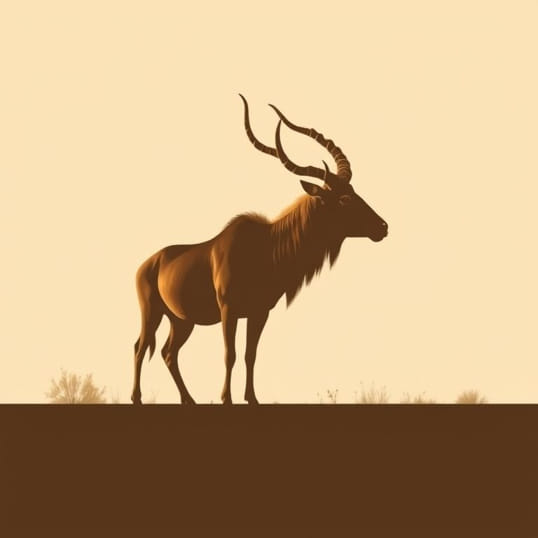
Common Eland Vs Giant Eland
Among the most fascinating antelopes in Africa are the elands, with two main species standing out the common eland and the giant eland. Both are majestic creatures that capture the imagination of wildlife enthusiasts, safari travelers, and zoologists. While they share certain similarities such as their spiral horns and graceful movements, they are quite different in terms of size, habitat, behavior, and even conservation status. Understanding the differences between the common eland and giant eland provides valuable insight into the diversity of African wildlife and highlights the importance of protecting these unique species for future generations.
Physical Characteristics
Common Eland
The common eland is one of the largest antelopes in the world, yet it is smaller than its giant relative. Males typically weigh between 400 to 1,000 kilograms, while females are generally lighter. Their coat is fawn or tawny in color, often marked with faint vertical white stripes on the sides. Both males and females have twisted horns, but those of the males tend to be thicker and less spiraled. Male common elands also develop a prominent dewlap, which hangs from the throat and serves as a display of maturity and strength.
Giant Eland
The giant eland truly lives up to its name, as it is considered the largest species of antelope. Males can weigh up to 1,200 kilograms and stand taller at the shoulder compared to the common eland. Their reddish-brown coat is marked with more distinct vertical white stripes, giving them a striking appearance. The horns of the giant eland are long and tightly spiraled, with both sexes carrying them. Another feature that sets them apart is their more muscular build, adapted to the rugged landscapes they inhabit.
Habitat and Range
Common Eland
The common eland has a wide distribution across southern and eastern Africa. They are highly adaptable, thriving in savannas, open plains, and even semi-arid regions. Because of their ability to go long periods without water and feed on a variety of grasses and leaves, they are well-suited to diverse environments. Their adaptability has made them more resilient compared to other large antelope species.
Giant Eland
In contrast, the giant eland is native to central and western Africa. They inhabit woodlands, savanna mosaics, and areas with thick vegetation. Unlike the common eland, their range is more fragmented, and they tend to avoid open plains. Giant elands prefer habitats where dense cover provides protection from predators, but this has also made them more vulnerable to habitat loss due to human activity and deforestation.
Behavior and Social Structure
Common Eland
Common elands are known for their gregarious nature. They often form large herds, sometimes numbering up to several hundred individuals, particularly during the dry season when food and water are scarce. Herds are usually mixed, consisting of males, females, and calves. Males may establish dominance hierarchies, with size and maturity playing important roles in determining rank. Despite their size, common elands are remarkably agile and capable of jumping fences or natural barriers several meters high.
Giant Eland
The giant eland, on the other hand, is less social and typically forms smaller groups. Herds are usually composed of females and their young, while adult males often lead more solitary lives. Their elusive nature makes them harder to observe in the wild. Giant elands are also more alert and wary of potential threats, making them difficult prey for predators and challenging for researchers to study.
Diet and Feeding Habits
Common Eland
Common elands are mixed feeders, meaning they graze on grasses as well as browse on leaves, shoots, and fruits. Their flexible diet allows them to adapt to different environments. During the dry season, when grasses become scarce, they rely more heavily on leaves and shrubs. Their ability to consume a wide variety of plants has helped them survive in regions where other species might struggle.
Giant Eland
Giant elands are primarily browsers, feeding on leaves, fruits, and branches of trees and shrubs. They are known to consume a variety of plant species, which supports their large size and energy requirements. Because they prefer habitats with dense vegetation, they have access to a more diverse array of plant matter compared to the common eland.
Conservation Status
Common Eland
The common eland is not currently considered endangered. Its wide distribution and adaptability have helped it maintain a relatively stable population. However, hunting and habitat loss in certain regions do pose localized threats. Conservation programs, game reserves, and controlled hunting practices have helped sustain their numbers in many areas.
Giant Eland
The giant eland faces more serious conservation challenges. The species is classified as vulnerable due to habitat destruction, hunting, and fragmentation of populations. Because they are more elusive and live in less accessible regions, monitoring their numbers is difficult. Conservation efforts focus on protecting their habitats and preventing illegal hunting, which continues to be a significant threat.
Comparison at a Glance
- SizeGiant eland is larger and more muscular compared to the common eland.
- CoatCommon eland has a fawn coat with faint stripes, while giant eland has a reddish coat with pronounced stripes.
- HornsBoth species have spiral horns, but giant eland horns are longer and more twisted.
- RangeCommon eland is widespread in southern and eastern Africa, while giant eland is limited to central and western Africa.
- BehaviorCommon elands are social and live in large herds, while giant elands are more solitary and elusive.
- DietCommon eland is a mixed feeder, while giant eland primarily browses.
- ConservationCommon eland is relatively stable, giant eland is vulnerable.
Role in Ecosystems
Both the common eland and giant eland play important roles in maintaining the balance of their ecosystems. By grazing and browsing, they help control vegetation growth and create open spaces that benefit smaller herbivores. Their droppings also return nutrients to the soil, supporting plant growth. Additionally, as prey animals, they are a vital food source for predators such as lions, leopards, and hyenas.
Human Interaction
Humans have long interacted with elands, whether through hunting, domestication, or cultural symbolism. Common elands have been semi-domesticated in some regions due to their tolerance of different habitats and ability to provide meat and milk. The giant eland, being harder to capture and tame, has remained more elusive. In many African cultures, elands are symbols of strength, endurance, and grace, often featured in traditional art and folklore.
The comparison of common eland vs giant eland highlights the fascinating diversity within the antelope family. While they share some characteristics, their differences in size, habitat, behavior, and conservation status make each species unique. Protecting both is crucial, not only for their survival but also for the health of the ecosystems they inhabit. Observing these majestic animals in the wild is a reminder of the richness of Africa’s natural heritage and the importance of continued conservation efforts.