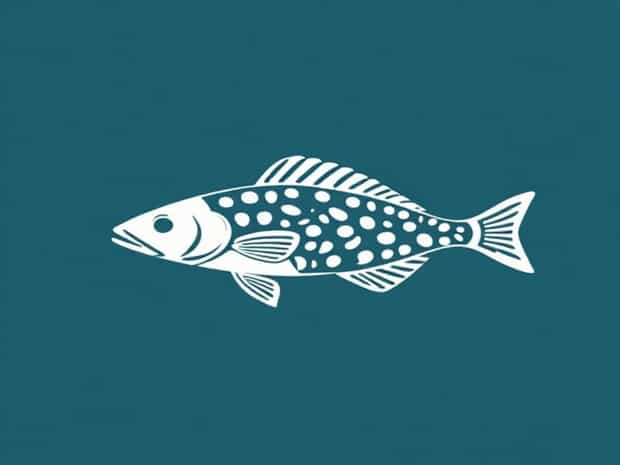
Class Of Bony Fish
Bony fish, known scientifically as class Osteichthyes, represent one of the largest and most diverse groups of vertebrates on Earth. Found in almost every aquatic habitat, from freshwater rivers to the deepest ocean trenches, these fish are distinguished by their skeleton made primarily of bone rather than cartilage. Bony fish play a crucial role in ecosystems as predators, prey, and contributors to nutrient cycling. Their evolutionary adaptations, remarkable diversity, and physiological features make them an essential focus of study for biologists, ecologists, and fisheries scientists alike. Understanding the class of bony fish provides insight into the evolution of vertebrates and the complex interactions within aquatic environments.
General Characteristics of Bony Fish
Skeletal Structure
The defining feature of bony fish is their skeleton made of calcified bone. Unlike cartilaginous fish such as sharks and rays, bony fish have a rigid internal skeleton that provides support, protection for internal organs, and attachment points for muscles. This skeletal structure also allows for more precise and efficient movement in water, contributing to their success in diverse habitats.
Respiratory System
Bony fish breathe using gills, which are specialized organs that extract oxygen from water. Most species possess a bony gill cover called an operculum, which protects the gills and aids in pumping water over them. This adaptation allows for continuous and efficient respiration, even when the fish is stationary.
Scales and Skin
Most bony fish have scales that cover their bodies, providing protection from predators, parasites, and injury. These scales are typically thin and flexible, allowing for smooth movement through water. The skin may also contain pigment cells that contribute to coloration, camouflage, and signaling during social interactions.
Fins and Locomotion
Bony fish possess paired pectoral and pelvic fins, as well as dorsal, anal, and caudal fins. These fins aid in balance, steering, braking, and propulsion. The caudal fin, or tail fin, is often the main source of thrust, enabling rapid swimming and agile maneuvers in complex aquatic environments.
Classification and Diversity
Major Groups of Bony Fish
The class Osteichthyes is traditionally divided into two subclasses ray-finned fish (Actinopterygii) and lobe-finned fish (Sarcopterygii). Ray-finned fish are the most numerous and diverse, including species such as salmon, tuna, and goldfish. Lobe-finned fish, although less diverse today, include species like coelacanths and lungfish, which are considered important evolutionary links to terrestrial vertebrates.
Habitat Diversity
Bony fish inhabit a wide range of aquatic environments, including freshwater lakes, rivers, estuaries, and marine ecosystems. Their adaptability allows them to occupy niches from shallow coastal areas to deep ocean trenches. Some species, like the lungfish, can even survive in temporary drought conditions by burrowing and estivating in mud.
Reproductive Strategies
Egg-Laying and Fertilization
Most bony fish are oviparous, meaning they lay eggs that are externally fertilized. Eggs are often covered in a gelatinous layer that provides protection against predators and environmental stress. Some species, such as salmon, migrate long distances to spawn in freshwater streams, demonstrating remarkable behavioral adaptations.
Parental Care
While many bony fish exhibit minimal parental care, certain species protect their eggs and young. Mouthbrooders, for instance, carry eggs in their mouths until they hatch, while cichlids may guard their nests vigorously. These reproductive strategies increase offspring survival and contribute to the success of specific species.
Feeding and Digestion
Dietary Adaptations
Bony fish display a wide range of feeding habits, from herbivorous species that graze on algae to carnivorous predators that hunt smaller fish and invertebrates. Mouth structure, teeth, and digestive enzymes are adapted to specific diets, allowing efficient processing of various food types.
Digestive System
The digestive system of bony fish includes a stomach and intestines that vary in length depending on diet. Herbivorous species often have longer intestines for processing plant material, while carnivorous species have shorter digestive tracts suited for protein digestion. Accessory organs like the liver and pancreas aid in nutrient absorption and metabolic regulation.
Adaptations to the Environment
- Swim BladderMost bony fish have a swim bladder, an internal gas-filled organ that provides buoyancy control, allowing them to maintain depth without constant swimming.
- Coloration and CamouflageColor patterns help bony fish blend into their environments, avoid predators, and communicate with conspecifics.
- ElectroreceptionSome bony fish can detect electrical fields in the water, which assists in prey detection and navigation.
- Temperature and Salinity ToleranceCertain species have physiological adaptations that enable survival in varying temperatures and salinity levels, contributing to their widespread distribution.
Importance of Bony Fish
Ecological Role
Bony fish are essential components of aquatic ecosystems. They occupy various trophic levels, serving as both predators and prey. By controlling invertebrate populations and being a food source for larger predators, they help maintain ecological balance.
Economic and Cultural Value
Humans rely on bony fish for food, recreation, and commerce. Species like cod, salmon, and tilapia support commercial fisheries and aquaculture industries worldwide. Additionally, ornamental fish such as goldfish and koi have cultural significance and contribute to the pet trade.
Threats and Conservation
Overfishing
Excessive fishing pressure has led to declines in many bony fish populations, threatening both biodiversity and food security. Sustainable fishing practices are crucial to preserving these species for future generations.
Habitat Destruction
Pollution, dam construction, and deforestation affect freshwater habitats, while coral reef degradation and ocean pollution impact marine bony fish. Habitat conservation is vital for maintaining healthy fish populations.
Climate Change
Rising water temperatures, ocean acidification, and altered current patterns affect the distribution and reproductive cycles of bony fish. Adaptation and conservation strategies are necessary to mitigate these impacts.
The class of bony fish, Osteichthyes, encompasses an incredibly diverse and adaptable group of vertebrates. With their bony skeletons, specialized fins, and wide-ranging reproductive and feeding strategies, bony fish have colonized almost every aquatic environment on Earth. Their ecological, economic, and cultural importance cannot be overstated, as they provide food, recreation, and insight into evolutionary biology. Protecting bony fish populations through sustainable practices and habitat conservation ensures that this remarkable class of vertebrates continues to thrive and contribute to the balance of aquatic ecosystems around the world.
Studying bony fish also offers valuable knowledge about vertebrate evolution, including the transition from aquatic to terrestrial life. By understanding their adaptations, behaviors, and ecological roles, scientists can gain a comprehensive view of life in aquatic environments and the evolutionary processes that shape biodiversity. The diversity within the class of bony fish highlights the intricate connections between anatomy, physiology, and environmental adaptation, making them a central focus in both biological research and conservation efforts.