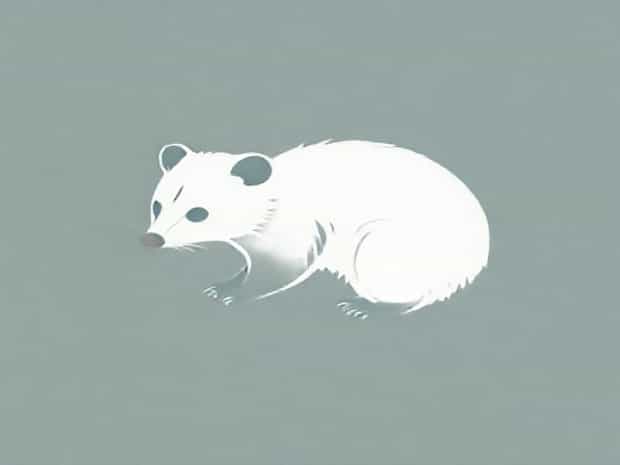
How Big Is A Possum
When people think about possums, one of the most common questions that comes to mind is about their size. These nocturnal creatures, often spotted wandering in backyards or wooded areas, have a unique appearance that makes them stand out. Some individuals imagine possums as small, rat-like animals, while others think they are as large as domestic cats. The truth is that possums vary greatly in size depending on the species, their habitat, and their age. Understanding how big a possum can get not only helps in recognizing them but also deepens our appreciation for their role in the ecosystem.
General Size of a Possum
Possums belong to the marsupial family, and their size depends largely on whether we are referring to the American opossum, commonly known as the Virginia opossum, or the many species of possums found in Australia and nearby regions. On average, adult possums are medium-sized animals that can weigh anywhere from a few pounds to over ten pounds, with a body length that often surprises those who see them up close.
- Virginia opossums in North America typically measure between 13 to 20 inches long, not including their tail.
- Their prehensile tails can add another 9 to 20 inches in length.
- Adult opossums generally weigh between 4 to 12 pounds, although some can be larger depending on diet and environment.
These dimensions mean that possums are roughly the size of a house cat, though their appearance with long snouts, sharp teeth, and hairless tails sets them apart.
Differences Between Opossums and Possums
It is important to note that the word possum is often used in North America to describe opossums, but true possums are native to Australia, New Guinea, and nearby islands. The two groups are related as marsupials, but they have different sizes and characteristics.
Australian Possums
Australian possums come in various species, such as the common brushtail possum and the sugar glider. Their sizes differ significantly
- The brushtail possum is one of the larger species, typically 12 to 15 pounds in weight and around 20 inches in body length, with a bushy tail adding more length.
- Ringtail possums are smaller, weighing about 2 to 4 pounds and measuring around 11 to 13 inches long.
- Tiny sugar gliders, which are also classified as possums, weigh only a few ounces and are about 6 to 8 inches long, with tails often equal to their body length.
This wide variation shows that how big is a possum cannot be answered with a single measurement, as the term covers many species across the world.
Possum Growth Stages
Like other marsupials, possums have unique reproductive and growth patterns. They are born extremely small, about the size of a honeybee, and spend their early development inside their mother’s pouch. From there, they continue to grow until they are large enough to cling to their mother’s back or venture out on their own.
- Newborn possums Barely visible without magnification, weighing less than a gram.
- Juvenile possums Begin to emerge from the pouch after a few months, measuring several inches long.
- Subadult possums About half the size of adults, often mistaken for rodents when seen at night.
- Adult possums Reach full size within a year, depending on the species and environmental conditions.
This gradual growth explains why people sometimes misjudge possum size when encountering young individuals.
Factors Affecting Possum Size
Not every possum grows to the same size, even within the same species. Several factors influence their overall dimensions and weight.
Diet and Food Availability
Possums are omnivores, meaning they eat a wide range of foods such as fruits, insects, small animals, and even leftovers from human settlements. An opossum living in an urban area with access to garbage bins may grow larger than one surviving in the wild with limited resources.
Habitat Conditions
Those living in colder climates may develop thicker fur and larger body mass to withstand low temperatures, while possums in warmer regions tend to remain smaller and leaner.
Genetics
Just like humans, genetic diversity plays a role. Some possums are naturally larger, while others remain smaller regardless of diet and environment.
Comparisons with Other Animals
To better understand how big a possum is, it helps to compare them with animals people are more familiar with.
- A Virginia opossum is roughly the size of a domestic cat but appears slimmer and longer due to its tail.
- A brushtail possum in Australia is closer in size to a small rabbit or a toy dog breed.
- Tiny sugar gliders are similar in size to small rodents, though their gliding ability makes them unique.
These comparisons make it easier to visualize the actual size of different possum species.
Common Misconceptions About Possum Size
Because possums are nocturnal and often seen in dim light, their size can be misinterpreted. People sometimes mistake them for oversized rats because of their pointed snouts and hairless tails. In reality, most possums are significantly larger than rodents. Another misconception is that all possums are small, but as explained, some species can grow to a surprisingly robust size.
Why Possum Size Matters
Knowing how big a possum is can help people understand their behavior and role in the environment. Larger possums, such as the Virginia opossum, are effective scavengers that clean up carrion and reduce pests like ticks and insects. Smaller possums, like the sugar glider, contribute by pollinating plants and spreading seeds. Their size often determines their ecological niche and how they interact with other species.
Human Interaction
Possum size also influences human interaction. Bigger possums may appear intimidating when encountered in urban areas, but they are generally harmless. On the other hand, smaller species are sometimes kept as exotic pets, although this raises ethical and environmental concerns.
The question how big is a possum does not have a single answer, because the size varies widely across species and even within individuals. The Virginia opossum, common in North America, typically measures about the size of a cat, with a body length of up to 20 inches and a tail that can match that length. Australian possums, ranging from the large brushtail to the tiny sugar glider, show even greater diversity in size. Factors such as diet, habitat, and genetics also play significant roles in shaping how large a possum can get. Understanding these details helps us see possums not just as backyard wanderers but as important members of ecosystems worldwide. Whether small or large, each possum species contributes to the balance of nature, reminding us that size is just one part of their fascinating story.