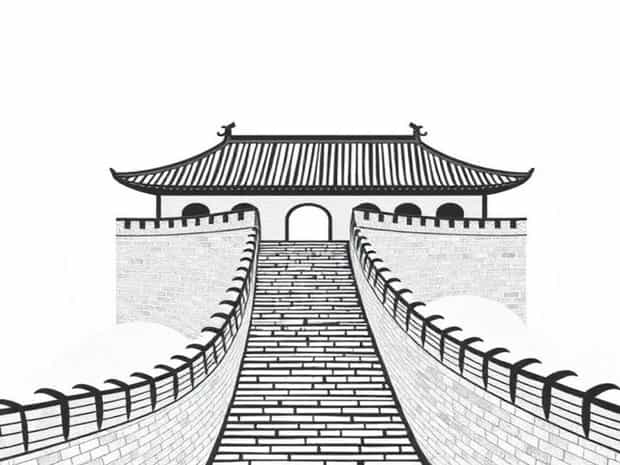
Great Wall Of China Beijing
The Great Wall of China in Beijing is one of the most iconic landmarks in the world, attracting millions of visitors each year who come to witness its grandeur and historical significance. Stretching across rugged mountains, valleys, and deserts, the wall represents the strength, endurance, and ingenuity of ancient Chinese civilization. Travelers exploring Beijing often prioritize visiting this ancient marvel, not only for its breathtaking views but also for the opportunity to connect with a structure that has stood for centuries as a symbol of cultural pride and defense. More than just an architectural wonder, the Great Wall reflects China’s history, military strategies, and cultural legacy, making it an essential destination for anyone interested in understanding the country’s past and present.
Historical Background of the Great Wall in Beijing
The Great Wall of China is not a single continuous wall but a collection of fortifications built and rebuilt by various dynasties. The sections around Beijing are some of the best preserved and most frequently visited. Construction began as early as the 7th century BC, but much of what stands today was built during the Ming Dynasty between the 14th and 17th centuries. These fortifications were designed to protect China’s northern borders from invasions by nomadic tribes and to demonstrate imperial strength. The Great Wall served both practical and symbolic purposes, showcasing the determination of the Chinese people while also functioning as a military stronghold equipped with watchtowers and strategic passes.
Main Sections of the Great Wall Near Beijing
Visitors to Beijing often explore specific sections of the wall that have been preserved and made accessible. Each area offers a unique experience, blending history with natural scenery. Some of the most notable sections include
- BadalingThe most famous and frequently visited part of the Great Wall, known for its accessibility and restored pathways. It is the ideal choice for first-time visitors.
- MutianyuSurrounded by lush forests and scenic landscapes, this section is slightly less crowded than Badaling and offers both restored and wild stretches.
- JuyongguanLocated in a mountain pass, this part of the wall has been historically significant as a strategic defense point.
- JinshanlingPopular with hikers, this section provides a mix of restored and original parts, making it a favorite for photography and longer treks.
- SimataiKnown for its steep climbs and authentic character, it offers night tours for visitors who want to experience the wall under the stars.
Architectural Features of the Wall
The Great Wall around Beijing showcases remarkable engineering achievements. Built primarily from stone and bricks, the wall stretches across mountain ridges with an average height of 7 to 8 meters and a width sufficient for soldiers and horses to patrol. Watchtowers were constructed at regular intervals to serve as observation points and signaling stations. These towers allowed guards to spot enemy movements from afar and communicate with fire signals or smoke. The wall also features battlements and parapets designed to give defenders a strong position against invaders. Its architecture highlights the careful planning and labor invested in constructing such a massive defensive system.
Cultural and Symbolic Importance
Beyond its role in defense, the Great Wall of China in Beijing carries deep cultural symbolism. It embodies perseverance, unity, and the ability to withstand challenges. For centuries, it has been regarded as a national symbol, appearing in literature, poetry, and art. In modern times, it represents China’s historical resilience and cultural identity. Visitors often describe their journey along the wall as more than just sightseeing it is an emotional experience that connects them to the struggles and achievements of generations past. Walking along the stones where soldiers once guarded the empire evokes a sense of respect and admiration for this monumental creation.
Tourism and Visitor Experience
Today, the Great Wall near Beijing is one of the most popular tourist destinations in China. To accommodate the millions of visitors, facilities such as cable cars, walking trails, and visitor centers have been developed. Tourists can choose between easy, well-restored paths or more challenging, rugged stretches that preserve the wall’s original state. Photography opportunities are abundant, especially during sunrise or sunset when the wall glows against the dramatic backdrop of mountains. Local guides often share fascinating stories and legends, enriching the visitor experience. For those who prefer quieter exploration, choosing sections like Jinshanling or Simatai provides a more peaceful journey with fewer crowds.
Best Times to Visit
Timing plays an important role when planning a trip to the Great Wall in Beijing. The most pleasant seasons are spring (April to June) and autumn (September to November). During these months, the weather is mild, and the scenery is stunning, with blooming flowers in spring and vibrant foliage in autumn. Summer can be hot and crowded, while winter offers a serene atmosphere with snow-covered landscapes, though temperatures can be harsh. Visitors are encouraged to arrive early in the morning to avoid large crowds and make the most of their experience.
Practical Tips for Exploring the Great Wall
To ensure a smooth and enjoyable visit, travelers should keep some practical tips in mind
- Wear comfortable walking shoes suitable for steep climbs and uneven surfaces.
- Bring water and light snacks, especially when exploring less developed sections.
- Plan transportation in advance, as some areas require a few hours of travel from central Beijing.
- Be prepared for changes in weather, particularly if visiting during spring or autumn.
- Respect the historical site by avoiding vandalism and following local regulations.
The Great Wall as a UNESCO World Heritage Site
Recognized as a UNESCO World Heritage Site in 1987, the Great Wall of China has earned its place as one of the most significant cultural landmarks globally. Its inclusion on the list emphasizes its universal value and the need for preservation. Conservation efforts are ongoing to protect the wall from natural erosion, weathering, and the impact of mass tourism. By visiting responsibly, travelers contribute to safeguarding this historical treasure for future generations. The recognition also highlights the importance of cultural heritage in promoting global understanding and appreciation of human achievements.
Modern Relevance of the Great Wall
While the Great Wall no longer serves as a military defense system, it continues to hold relevance in modern China. It symbolizes national pride, attracts international attention, and contributes significantly to the tourism industry. Additionally, it serves as an educational site where students, historians, and researchers can study ancient construction techniques, military strategies, and cultural traditions. The wall’s enduring presence reminds the world of the power of human determination and collective effort in creating structures that transcend time.
The Great Wall of China in Beijing stands as more than a monument of stone and brick; it is a living testament to history, culture, and human perseverance. From its strategic role in defending the empire to its modern significance as a global landmark, the wall continues to inspire awe and admiration. Whether exploring the bustling paths of Badaling, the scenic trails of Mutianyu, or the quiet stretches of Jinshanling, visitors gain a unique perspective of China’s past and present. A journey to the Great Wall near Beijing is not only a travel highlight but also an unforgettable experience that leaves a lasting impression of resilience, unity, and cultural pride.