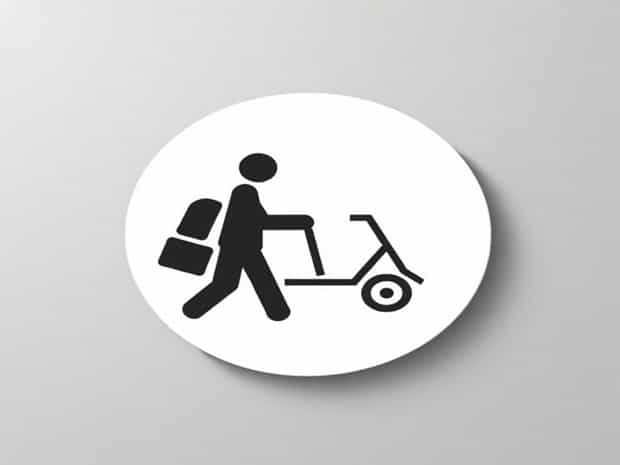
What Does The Word Schlepping Mean?
In everyday conversations, certain words stand out because they capture not only an action but also an emotional experience. One such word is schlepping.” Often heard in casual speech, especially in American English influenced by Yiddish, schlepping conveys more than just the act of carrying something it evokes effort, exhaustion, and sometimes a reluctant sense of duty. Understanding what the word schlepping means helps to appreciate both its linguistic roots and the colorful way it expresses human experiences, particularly those involving physical effort or cumbersome tasks.
Definition of Schlepping
The word schlepping means carrying or moving something, often with difficulty, labor, or inconvenience. It can refer to physical tasks, such as lugging heavy groceries, moving furniture, or transporting luggage. At the same time, schlepping can be used figuratively to describe tasks that feel burdensome, exhausting, or tedious, even if they are not physically demanding.
For example, one might say, I spent the afternoon schlepping boxes up three flights of stairs, highlighting both the physical strain and the tedious nature of the activity. In casual conversation, it often carries a tone of humor or mild complaint, expressing effort while acknowledging the inconvenience.
Origins of the Word Schlepping
Schlepping comes from the Yiddish word shlepn, which means to drag, carry, or haul. Yiddish, a language historically spoken by Ashkenazi Jews, contributed many words to American English, particularly in regions with large Jewish populations such as New York. The word entered English usage in the early 20th century and has maintained its original connotation of laborious effort combined with a touch of humor or exasperation.
Over time, schlepping has been adopted in broader English usage, often used by speakers who may not know its Yiddish roots but understand its expressive quality. The word captures more than mere transportation it conveys the physical and emotional weight of the action.
Key Characteristics of Schlepping
Understanding what schlepping entails involves recognizing the characteristics that differentiate it from simply carrying or moving objects. Key traits include
- EffortThe action usually requires significant physical or mental energy.
- InconvenienceSchlepping often involves awkward, heavy, or cumbersome items.
- ReluctanceThe person schlepping may feel burdened or wish to avoid the task.
- PersistenceDespite difficulty, the action is carried out, reflecting determination or necessity.
These elements make the word more expressive than neutral terms like carrying or moving. It evokes both the effort involved and the emotional experience associated with the task.
Examples of Schlepping in Everyday Life
The word is commonly used in casual speech to describe everyday situations. Some examples include
- I had to schlep my suitcase across the city when the taxi didn’t show up.
- She spent the morning schlepping groceries from the car to the kitchen.
- He’s been schlepping documents back and forth between offices all week.
- We schlepped our camping gear up the hill before setting up camp.
In each case, schlepping communicates a combination of physical effort and the inconvenience or tediousness of the task, often with a humorous or mildly complaining tone.
Schlepping in Culture and Media
The word schlepping has appeared in books, movies, and television, often to add cultural flavor or express relatable experiences. In American media, particularly in works portraying urban life or Jewish culture, schlepping conveys a vivid sense of laborious movement, sometimes exaggerated for comedic effect. Writers and speakers use it to evoke empathy, humor, or recognition of common struggles, making the mundane act of carrying items more engaging and expressive.
For instance, in urban novels, characters might be described schlepping groceries through crowded streets, which conveys both effort and the challenges of city living. In comedy, the term often highlights the absurdity of overburdened or reluctant tasks.
Figurative Uses of Schlepping
While schlepping is most commonly associated with physical effort, it can also be used metaphorically to describe situations that feel burdensome or draining. For example
- I’ve been schlepping through paperwork all day and still have more to do.
- She’s schlepping emotional baggage from past experiences into her new relationships.
- The students are schlepping through the exam, exhausted and stressed.
In these figurative examples, schlepping conveys mental, emotional, or situational effort, broadening the word’s expressive potential beyond purely physical tasks.
Synonyms and Related Words
Several words and phrases convey similar ideas, though each carries slightly different nuances. Synonyms for schlepping include
- LuggingEmphasizes the weight and physical effort involved.
- HaulingSuggests moving something heavy or cumbersome.
- DraggingConveys effort combined with difficulty or resistance.
- TotingOften neutral, highlighting the act of carrying items.
- TrudgingEmphasizes slow, laborious effort, often with fatigue.
Schlepping is unique, however, in combining effort, inconvenience, and a mild sense of humor or complaint, making it more expressive than many direct synonyms.
Schlepping and Urban Life
In urban environments, schlepping often reflects the realities of city living. Commuters, shoppers, and travelers frequently encounter situations that require carrying, lifting, or transporting items over distances or obstacles. The word captures not only the physical exertion but also the mental frustration and persistence involved. It resonates particularly well in contexts where convenience is limited, such as crowded subways, small apartments, or bustling streets.
For example, a New Yorker might describe schlepping laundry up multiple flights of stairs, conveying the physical challenge and the slightly exasperated tone that makes the word so relatable in urban life.
Benefits of Using the Word Schlepping
Using schlepping in conversation or writing offers several advantages
- It adds humor and relatability to descriptions of tedious tasks.
- It conveys both physical and emotional effort in a single word.
- It enriches language by offering a culturally nuanced term with expressive power.
- It allows speakers to connect with audiences who understand the shared experience of burdensome tasks.
By incorporating schlepping, writers and speakers can make mundane actions more vivid, engaging, and entertaining.
Why Schlepping Remains Relevant
Despite being borrowed from Yiddish, schlepping remains widely understood and used, especially in North America. Its enduring relevance is due to the universal nature of the experiences it describes most people have had to carry heavy items, deal with cumbersome tasks, or face tedious chores. The word encapsulates effort, inconvenience, and sometimes humor in a way that simple alternatives cannot.
Moreover, schlepping reflects a human tendency to communicate not only what we do but how it feels to do it. It conveys empathy, shared struggle, and cultural color, making it a valuable word in both casual and narrative contexts.
Final Thoughts
The word schlepping means carrying or moving something with effort, often conveying inconvenience, fatigue, or reluctance. Its Yiddish roots and expressive tone make it unique, capturing both physical and figurative burdens. From groceries to luggage, paperwork to emotional challenges, schlepping conveys a human experience that is widely relatable. Understanding and using the word enriches language, allowing us to describe everyday struggles with humor, nuance, and cultural depth. Whether in conversation, storytelling, or writing, schlepping remains a colorful and relevant way to express effort, perseverance, and the minor frustrations of daily life.
“