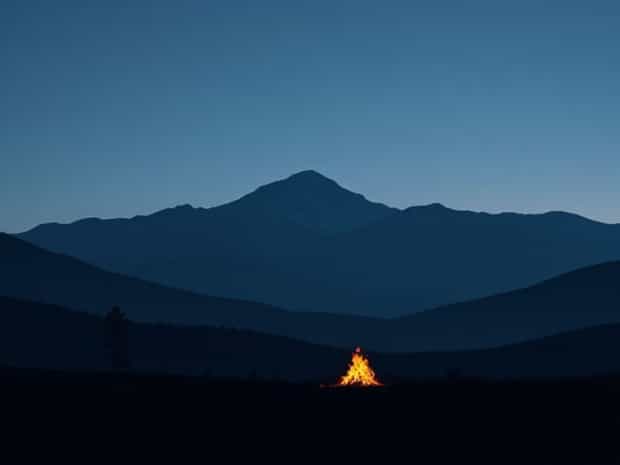
Fire In Great Smoky Mountains
The Great Smoky Mountains, renowned for their breathtaking landscapes, diverse wildlife, and dense forests, have occasionally faced the devastating impact of wildfires. Fires in this region can spread rapidly due to the thick vegetation, dry conditions during certain seasons, and the rugged terrain that makes firefighting efforts challenging. Beyond the immediate threat to human life and property, wildfires in the Great Smoky Mountains significantly affect ecosystems, air quality, and the local economy, making it essential to understand their causes, impacts, and prevention strategies. Residents, tourists, and environmentalists alike are deeply concerned about the preservation of this iconic natural area.
Causes of Fires in the Great Smoky Mountains
Wildfires in the Great Smoky Mountains are caused by a combination of natural and human factors. Lightning strikes are one of the most common natural causes, especially during dry summer months. Human activities, however, play a significant role in sparking fires. Campfires left unattended, discarded cigarettes, arson, and even sparks from vehicles or equipment can ignite the dry forest floor. Climate conditions, such as prolonged droughts and high winds, exacerbate the risk of fires spreading rapidly across the mountains.
Environmental Conditions Contributing to Fires
The Great Smoky Mountains are densely forested, with a mix of deciduous and coniferous trees that provide ample fuel for wildfires. During dry periods, leaves, pine needles, and underbrush become highly flammable. Additionally, strong winds can carry embers over long distances, igniting new fires in previously unaffected areas. The combination of steep slopes, narrow valleys, and thick vegetation makes fire management particularly difficult, as fires can move quickly uphill and threaten both remote and populated areas.
Impact on Wildlife and Ecosystems
Wildfires in the Great Smoky Mountains have profound effects on local wildlife and ecosystems. Many animal species, including deer, black bears, and smaller mammals, may lose their habitat or be forced to flee to safer areas. Birds and insects are also affected, disrupting food chains and breeding patterns. In addition, the intense heat of fires can damage soil quality, reduce plant biodiversity, and lead to erosion and sedimentation in streams and rivers. While fire is a natural part of forest ecology and can promote new growth, uncontrolled wildfires often have destructive consequences for both flora and fauna.
Air Quality and Human Health
Smoke from fires in the Great Smoky Mountains can affect air quality over a wide region. Fine particulate matter released into the air can cause respiratory issues, especially for children, the elderly, and individuals with pre-existing health conditions. Visibility can be reduced, impacting travel and tourism. Residents living near fire zones may experience temporary displacement, while emergency responders face the challenge of protecting both people and property. Long-term exposure to smoke and ash can lead to chronic health problems, highlighting the importance of fire prevention and management.
Economic and Tourism Implications
The Great Smoky Mountains are a major tourist destination, attracting millions of visitors each year. Wildfires can disrupt tourism by closing trails, campgrounds, and scenic areas, resulting in significant economic losses for local businesses that rely on visitors. Lodges, restaurants, and shops may suffer reduced revenue during and after fire events. Additionally, firefighting and recovery efforts require substantial public funding, diverting resources from other community services. The economic impact extends beyond immediate damages, affecting long-term investments in infrastructure, conservation, and tourism promotion.
Fire Prevention and Management Strategies
Preventing and managing fires in the Great Smoky Mountains requires a coordinated effort between government agencies, local communities, and visitors. Strategies include
- Strict enforcement of fire safety regulations, such as banning open fires during high-risk periods.
- Public education campaigns to inform visitors and residents about fire risks and responsible behavior.
- Regular clearing of dry underbrush and debris to reduce available fuel.
- Advanced monitoring systems, including fire lookout towers, satellite surveillance, and weather tracking.
- Emergency response planning to ensure quick deployment of firefighters and evacuation measures.
These measures aim to minimize the likelihood of wildfires and limit their impact when they do occur.
Historical Fires in the Great Smoky Mountains
Over the years, the Great Smoky Mountains have experienced several notable wildfires that have drawn attention to the region’s vulnerability. Historical fires serve as case studies for understanding fire behavior and the effectiveness of management strategies. Each event has highlighted the importance of preparedness, community involvement, and rapid response in mitigating damage. By learning from past fires, authorities can improve forest management practices, reduce risks, and better protect both natural habitats and human communities.
Role of Community Involvement
Local communities play a crucial role in preventing and responding to wildfires in the Great Smoky Mountains. Residents can assist by maintaining defensible space around homes, participating in volunteer firefighting programs, and staying informed about fire alerts. Community cooperation ensures that warnings are heeded, evacuation routes are accessible, and emergency resources are utilized effectively. Collaboration between local, state, and federal agencies enhances the overall resilience of the region to fire-related threats.
Climate Change and Future Fire Risks
Climate change has increased the frequency and intensity of wildfires in many parts of the world, including the Great Smoky Mountains. Rising temperatures, prolonged droughts, and unpredictable weather patterns contribute to drier forests and more flammable conditions. This trend underscores the need for proactive measures to mitigate fire risks and adapt management strategies. Integrating climate projections into fire management plans helps ensure that resources are allocated efficiently, reducing potential losses and safeguarding both human and ecological communities.
Long-Term Ecological Recovery
After a wildfire, the Great Smoky Mountains undergo a process of ecological recovery. New vegetation begins to grow, and wildlife gradually returns to the area. While some species may struggle initially, fire can create opportunities for regeneration, promoting biodiversity and forest health in the long term. Conservationists and land managers work to support this recovery through reforestation, habitat restoration, and ongoing monitoring. Understanding the balance between destructive fires and natural regeneration is key to maintaining the ecological integrity of the region.
Fires in the Great Smoky Mountains present significant challenges to the environment, human health, and the local economy. While fire is a natural component of forest ecosystems, uncontrolled wildfires can have devastating consequences. Preventing and managing fires requires a combination of education, regulation, community involvement, and advanced monitoring technologies. By understanding the causes, impacts, and recovery processes associated with wildfires, residents, visitors, and authorities can work together to protect this treasured natural region. The resilience of the Great Smoky Mountains depends not only on natural regeneration but also on human vigilance and proactive stewardship to ensure that future generations can continue to experience its beauty and ecological richness.