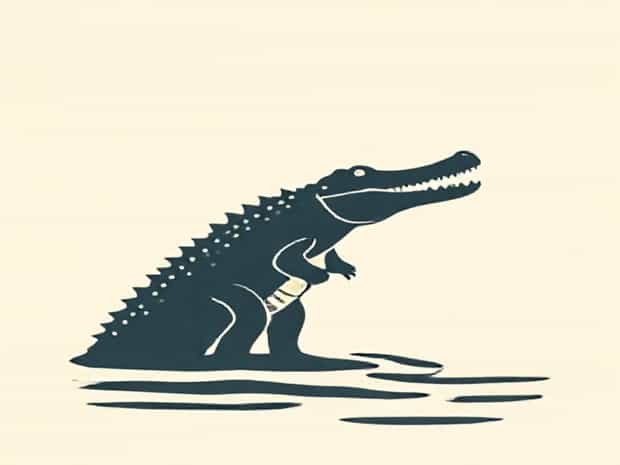
Port Blair Giant Crocodile
Port Blair, the capital city of the Andaman and Nicobar Islands, is known for its pristine beaches, rich biodiversity, and unique wildlife. Among its most fascinating and fearsome residents is the giant crocodile, a reptilian marvel that has captured the imagination of locals and tourists alike. These massive creatures, often inhabiting estuaries, mangroves, and coastal areas, are not just impressive in size but also play a crucial role in the local ecosystem. Sightings of these giant crocodiles have become legendary, prompting curiosity about their behavior, habitat, and conservation status. Understanding the Port Blair giant crocodile requires examining its biology, ecological importance, and the challenges of coexisting with such formidable predators.
Biology and Physical Characteristics
The giant crocodile found near Port Blair is typically the saltwater crocodile, known scientifically asCrocodylus porosus. Saltwater crocodiles are the largest living reptiles in the world, with males reaching lengths of up to seven meters (23 feet) and weighing over a thousand kilograms (2,200 pounds). Female crocodiles are smaller, usually around three to four meters (10-13 feet) in length. These powerful predators possess a long, muscular tail, armored body, and a wide, powerful jaw capable of exerting immense force. Their coloration, ranging from olive green to dark brown, allows them to blend seamlessly with mangrove roots and riverbanks.
Unique Adaptations
Giant crocodiles have evolved remarkable adaptations for survival in both freshwater and coastal habitats. Their eyes and nostrils are positioned on the top of their heads, allowing them to see and breathe while remaining mostly submerged. Strong, webbed feet enable swimming with remarkable agility, while their tough, scaly hide provides protection from predators and environmental hazards. These adaptations make the Port Blair giant crocodile a top predator in its ecosystem, capable of hunting fish, birds, and mammals with extraordinary efficiency.
Habitat and Distribution
The coastal and estuarine regions around Port Blair provide an ideal habitat for giant crocodiles. Mangroves, tidal rivers, and estuaries offer both shelter and hunting grounds. These reptiles often remain hidden during the day, basking on riverbanks or in shallow waters, emerging mostly during the night to hunt. The Andaman and Nicobar Islands are part of the natural range of saltwater crocodiles, and the combination of tropical climate, abundant prey, and protected waterways contributes to their thriving populations.
Territorial Behavior
Giant crocodiles are highly territorial animals. Males establish large territories along rivers and estuaries, which they defend vigorously against intruding males. These territories often overlap with areas where humans may be active, leading to occasional encounters. Understanding their territorial behavior is essential for ensuring human safety while conserving the species. Crocodiles use vocalizations, body posturing, and aggressive displays to maintain dominance and avoid unnecessary conflict.
Encounters and Safety Concerns
Encounters with the Port Blair giant crocodile can be thrilling but potentially dangerous. Locals and tourists are advised to exercise caution near riverbanks, estuaries, and mangroves, especially at night when crocodiles are most active. Despite their fearsome reputation, attacks on humans are relatively rare if proper precautions are observed. Awareness of crocodile habitats, avoiding swimming in unprotected waters, and maintaining a safe distance are crucial for coexistence.
Local Precautions
- Post warning signs near known crocodile habitats
- Restrict access to estuaries and riverbanks during peak activity times
- Educate communities and tourists about safe practices and crocodile behavior
- Encourage the use of guided tours when exploring mangroves or coastal areas
Ecological Importance
Giant crocodiles play a vital role in maintaining the balance of coastal and estuarine ecosystems. As apex predators, they regulate populations of fish, birds, and small mammals, preventing overpopulation and ensuring healthy ecosystems. Their presence also influences the distribution of other species, indirectly shaping the biodiversity of mangrove forests and estuaries. Conservation of these crocodiles is therefore essential not only for preserving a unique species but also for maintaining the ecological integrity of Port Blair’s natural habitats.
Food Chain and Hunting
Saltwater crocodiles are opportunistic feeders, preying on fish, crabs, birds, and mammals that venture near water bodies. Their stealth, strength, and powerful bite make them effective hunters. In Port Blair, they often feed on a combination of wild prey and, occasionally, livestock that strays too close to waterways. Understanding their diet helps wildlife authorities implement measures to minimize human-wildlife conflict while preserving natural hunting behaviors.
Conservation Efforts
The Port Blair giant crocodile is protected under Indian wildlife laws, and conservation programs aim to monitor populations, safeguard habitats, and educate the public. The Andaman and Nicobar Islands’ unique ecosystems are home to several endangered species, making habitat protection critical. Conservationists employ techniques such as satellite tracking, population surveys, and community education to ensure the survival of these magnificent reptiles. Protected areas, such as national parks and wildlife sanctuaries, provide safe environments for crocodiles to thrive without excessive human interference.
Challenges in Conservation
Despite legal protection, giant crocodiles face challenges including habitat loss, pollution, and occasional poaching. Coastal development, tourism, and encroachment into mangroves can disturb nesting areas and reduce available prey. Conservation programs focus on balancing human activity with wildlife protection, emphasizing sustainable tourism, and creating awareness about the ecological and cultural significance of crocodiles.
Cultural and Tourism Significance
The giant crocodiles of Port Blair are a source of fascination and local pride. Tourists visiting the Andaman Islands are often eager to see these apex predators in their natural habitat, leading to guided tours and educational programs. Understanding and respecting crocodiles’ behavior enhances visitor safety while promoting wildlife awareness. The presence of these majestic reptiles also supports eco-tourism initiatives, contributing to local economies while highlighting the importance of conservation.
Responsible Wildlife Viewing
- Observe crocodiles from a safe distance using binoculars or zoom lenses
- Avoid feeding or attempting to interact with the animals
- Follow guidelines provided by local wildlife authorities and tour guides
- Educate oneself about crocodile behavior before visiting habitats
The Port Blair giant crocodile is not only an impressive natural spectacle but also a key component of the islands’ ecosystem. Its size, strength, and predatory skills make it an apex predator, while its presence ensures ecological balance in estuarine and coastal environments. Human encounters, though potentially dangerous, can be managed through awareness, safety precautions, and respect for the animal’s natural behavior. Conservation efforts are essential to protect these magnificent reptiles from threats such as habitat loss and human disturbance, ensuring that future generations can continue to witness the power and majesty of the Port Blair giant crocodile. By combining scientific research, community education, and sustainable tourism practices, Port Blair can preserve both its wildlife and its unique natural heritage for years to come.
In essence, the giant crocodiles of Port Blair are a symbol of the untamed beauty of the Andaman and Nicobar Islands. They remind us of the importance of respecting wildlife, maintaining ecological balance, and fostering coexistence between humans and nature. Protecting these apex predators not only safeguards a remarkable species but also supports the health and diversity of the ecosystems they inhabit, making conservation a shared responsibility for residents, visitors, and global wildlife enthusiasts alike.