Circus And Culture:A Semiotic Approach
The circus has long held a unique position in global culture, representing both entertainment and social commentary. From the dazzling acrobatics under the big top to the symbolic roles of clowns and performers, the circus operates as a rich semiotic landscape. Analyzing the circus through a semiotic approach allows us to explore the deeper meanings, cultural narratives, and social codes embedded in its performances. This perspective highlights how audiences interpret signs and symbols, connecting the spectacle of the circus with broader cultural and societal themes.
Understanding Semiotics in Cultural Analysis
Semiotics is the study of signs and symbols and their use or interpretation within communication systems. Developed by theorists such as Ferdinand de Saussure and Charles Sanders Peirce, semiotics examines how meaning is constructed and understood. Applying this framework to circus culture allows researchers to decode the layers of meaning behind performances, costumes, and audience reactions. In the context of the circus, semiotics helps to reveal the interplay between spectacle, narrative, and cultural ideology.
Signs and Symbols in the Circus
The circus is filled with visual and auditory signs that carry cultural significance. From the brightly colored tents to the exaggerated makeup of clowns, every element serves as a symbol. For instance
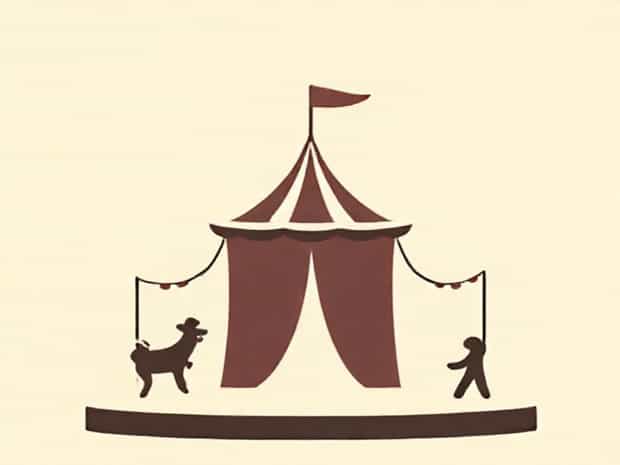
- The Big TopMore than a venue, the tent symbolizes a temporary, fantastical space where normal social rules are suspended.
- ClownsOften representing human folly and social inversion, clowns act as signs of humor, mischief, and the subversion of norms.
- Acrobats and PerformersTheir physical feats signify discipline, skill, and the tension between risk and control, reflecting societal admiration for courage and mastery.
By interpreting these symbols, semiotics uncovers how the circus communicates meaning to audiences across different cultural contexts.
The Circus as a Cultural Text
Viewing the circus as a cultural text involves analyzing it like a piece of literature or film, where signs and symbols construct narratives. Each act, performance, or character contributes to a larger cultural message. For example, trapeze artists may symbolize the human desire to transcend limits, while animal acts can reflect historical attitudes toward nature and control. Semiotic analysis allows us to read the circus as a reflection of social values, anxieties, and aspirations.
Performance and Spectacle
The spectacle of the circus operates as a communicative system. Audiences interpret the visual and auditory cues, creating meaning through collective experience. The ringmaster’s commanding presence, the dramatic lighting, and the music all function as semiotic signs, guiding audience perception and emotional response. These elements contribute to a narrative that is both entertaining and culturally informative, revealing underlying societal beliefs and power structures.
Cultural Narratives and Social Codes
The circus often reflects broader cultural narratives and social codes. For instance, historical circus performances frequently incorporated themes of exoticism, heroism, and moral lessons. Semiotic analysis reveals how these performances communicate cultural ideologies. Clowning, for example, can be read as a critique of authority or a playful subversion of societal norms, while the acrobat’s daring acts may embody ideals of individualism and perseverance.
Historical Context
Understanding the circus in its historical context enhances semiotic interpretation. In the 19th and early 20th centuries, the circus was a medium for both entertainment and cultural storytelling. Traveling circuses brought diverse communities together, creating shared symbolic experiences. The semiotic approach helps identify how these performances encoded social hierarchies, gender roles, and economic realities, reflecting the values and tensions of their time.
Modern Circus and Cultural Transformation
Contemporary circus performances, such as Cirque du Soleil, demonstrate a shift in cultural meaning. Modern circuses often focus less on traditional animal acts and more on artistic expression, narrative depth, and visual spectacle. Semiotic analysis of these performances highlights evolving cultural attitudes toward art, ethics, and audience engagement. The symbolic language of the modern circus communicates not only entertainment but also cultural commentary, reflecting contemporary social values and aesthetic preferences.
Audience Interpretation
Audience perception plays a crucial role in semiotic analysis. Each spectator brings personal experiences, cultural knowledge, and expectations to the performance, influencing how signs are interpreted. The semiotic approach examines these interactions, emphasizing that meaning is co-constructed by performers and audiences. In the circus, this dynamic relationship enhances understanding of how cultural messages are transmitted, received, and transformed over time.
The circus offers a rich field for semiotic analysis, revealing how performance, symbolism, and narrative intersect to reflect cultural values and societal norms. By examining signs, symbols, and audience interactions, researchers can uncover deeper meanings embedded in circus culture. From historical performances to modern reinterpretations, the semiotic approach illuminates the ways in which the circus operates as both entertainment and cultural text. Understanding these symbolic systems enhances appreciation for the artistry, complexity, and cultural significance of circus performances, demonstrating how deeply intertwined spectacle and society truly are.